UK Butterflies
Building a Community of Responsible Butterfly Enthusiasts in Britain & Ireland
Building a Community of Responsible Butterfly Enthusiasts in Britain & Ireland
KO-lee-uss al-fa-ka-ree-EN-siss
Wingspan
♂ 50 - 56 mm, ♀ 50 - 60 mm
Checklist Number
58.012
KO-lee-uss al-fa-ka-ree-EN-siss
Wingspan
♂ 50 - 56 mm, ♀ 50 - 60 mm
Checklist Number
58.012
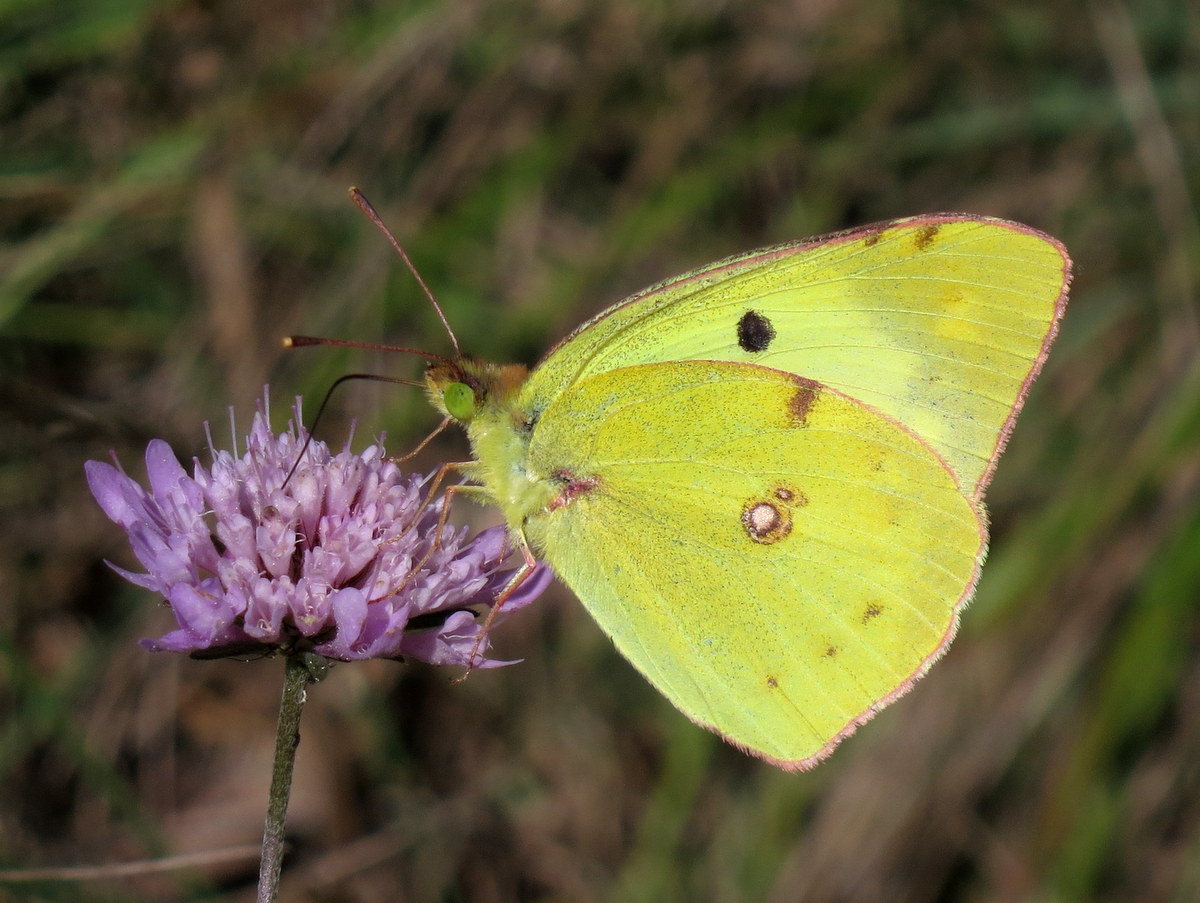
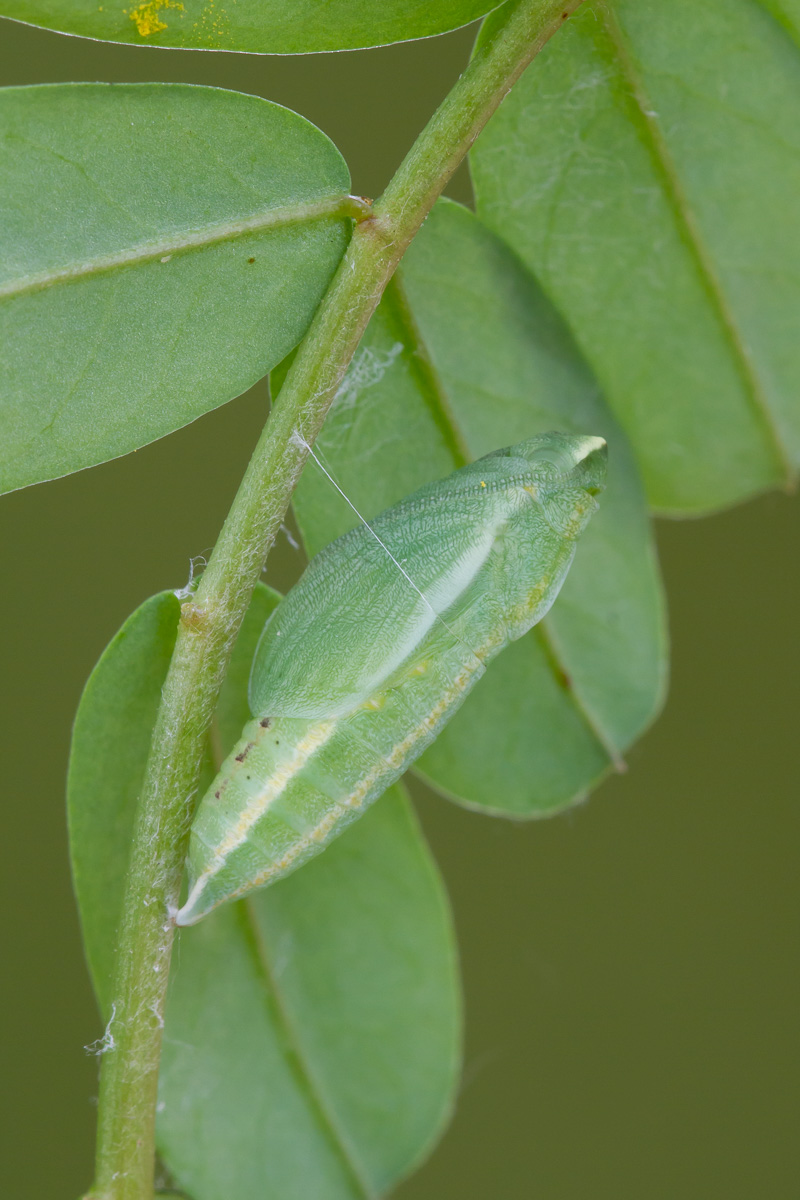
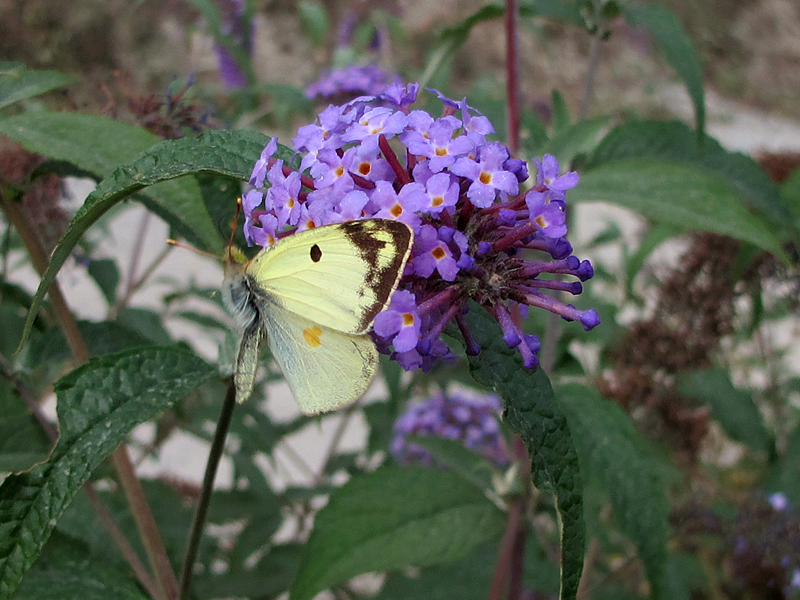
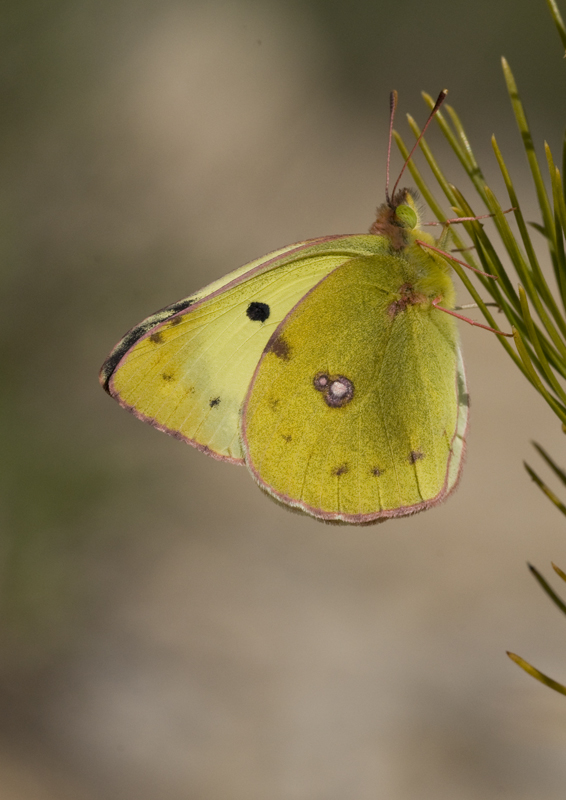
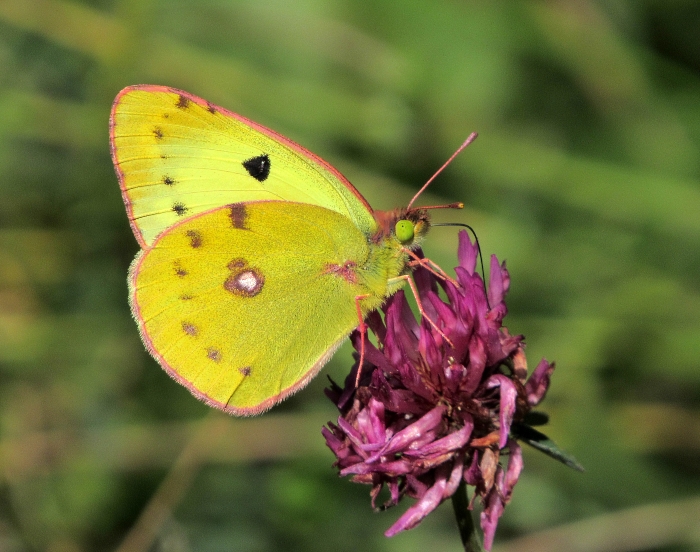
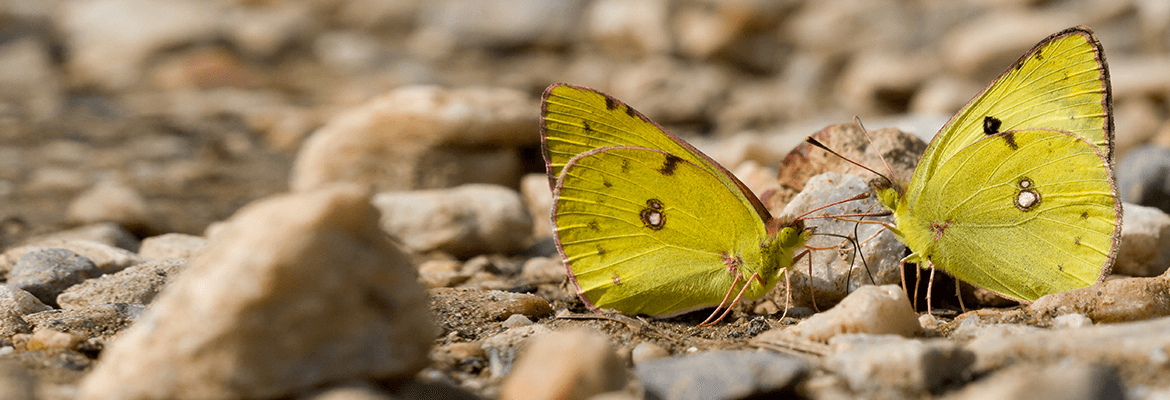
The Berger's Clouded Yellow was identified as a distinct species from the Pale Clouded Yellow in 1945 as described in Berger (1948) and is named after the Belgian entomologist, L.A. Berger, who made this discovery. This species is an extremely rare immigrant to the British Isles and is not seen in some years at all. It would appear that none of the stages is able to survive the British winter, although individuals seen near Folkestone in May 1948 were believed to have survived a mild winter.
Although the species was first recognised in 1945, subsequent examination of historical collections have turned up around 50 specimens, the earliest of which is an individual taken in Folkestone in 1875. Relatively good numbers were seen each year from 1947 to 1949. However, such numbers have not been recorded since and this species is now considered one of our rarest migrants. This species is a rare migrant to the British Isles, with most historic specimens coming from the south coast of England, especially from West Kent and East Kent.
| Family: | Pieridae | Swainson, 1820 |
| Subfamily: | Coliadinae | Swainson, 1820 |
| Tribe: | Coliadini | Swainson, 1827 |
| Genus: | Colias | Fabricius, 1807 |
| Subgenus: | ||
| Species: | alfacariensis | Ribbe, 1905 |
Description to be completed.
This species is a rare migrant to Britain and/or Ireland.
| 1.2 Rare Migrant |
The haunts of this butterfly are similar to the Clouded Yellow, which includes coastal cliffs and open downland.
No conservation action is relevant for this species.
In the British Isles, this species may be seen as early as May or June, but is normally seen in August or early September. The latest-ever sighting of this scarce species was at Glynde, East Sussex on 27th October 1945.

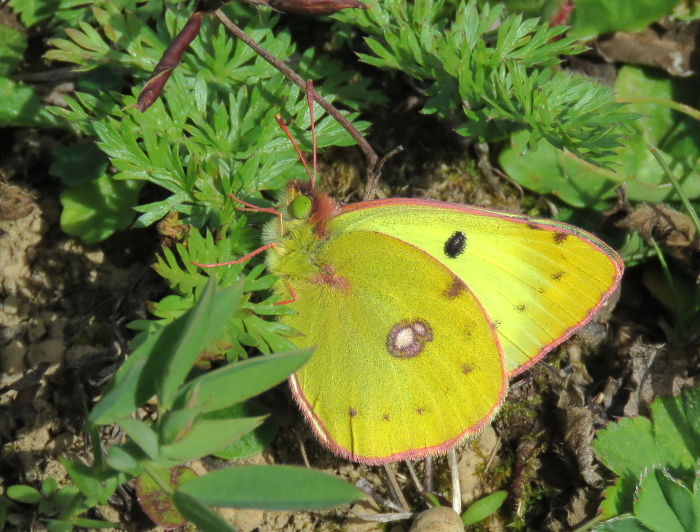
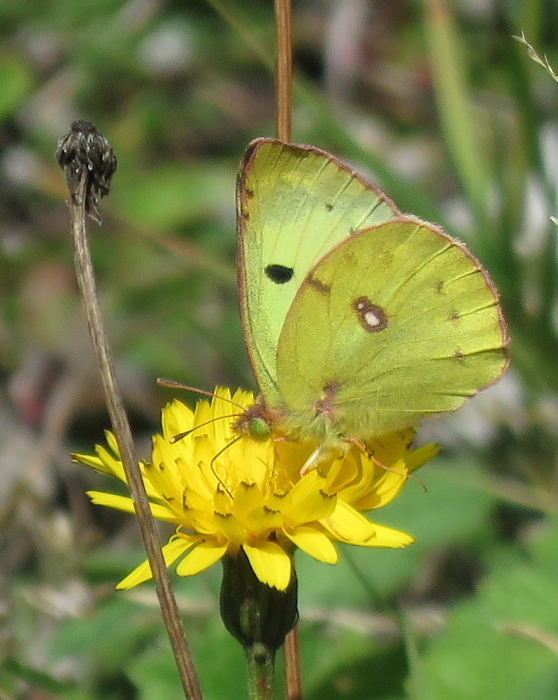
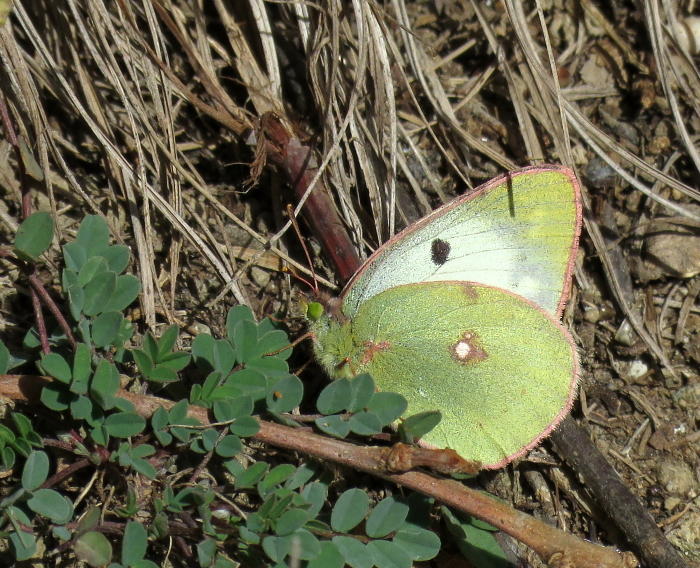
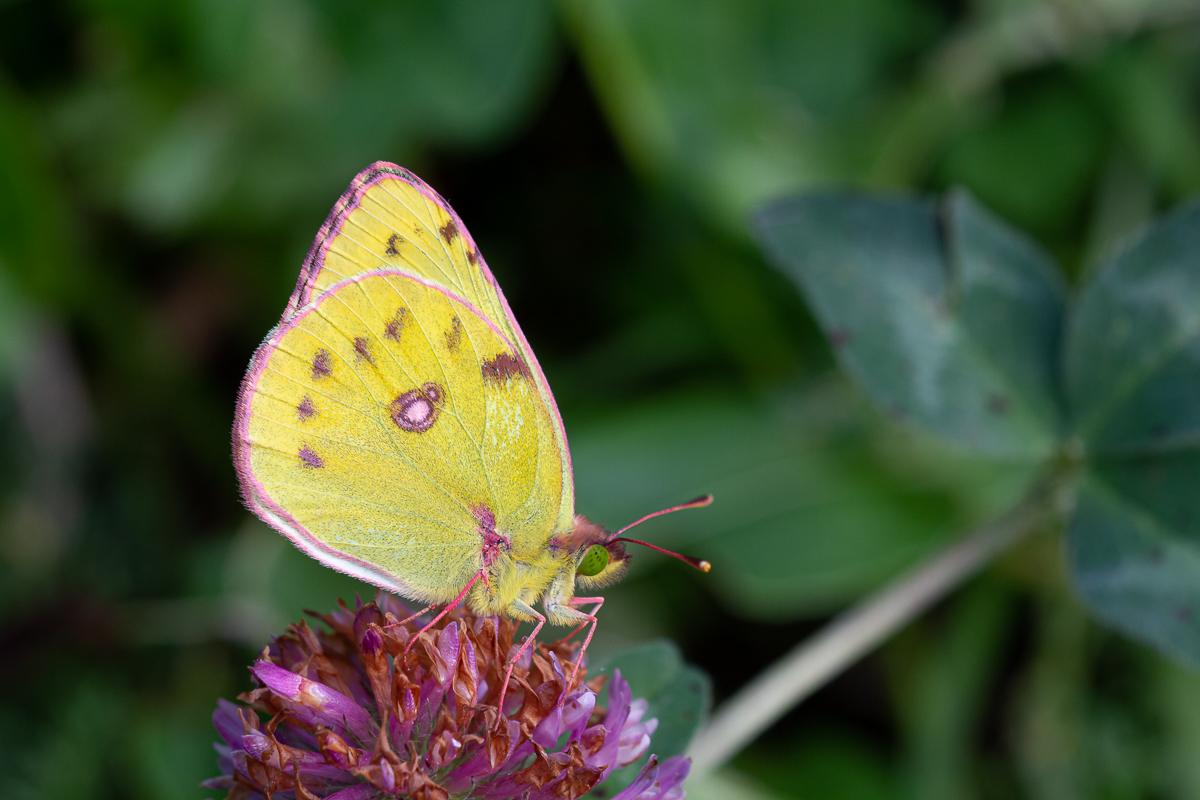
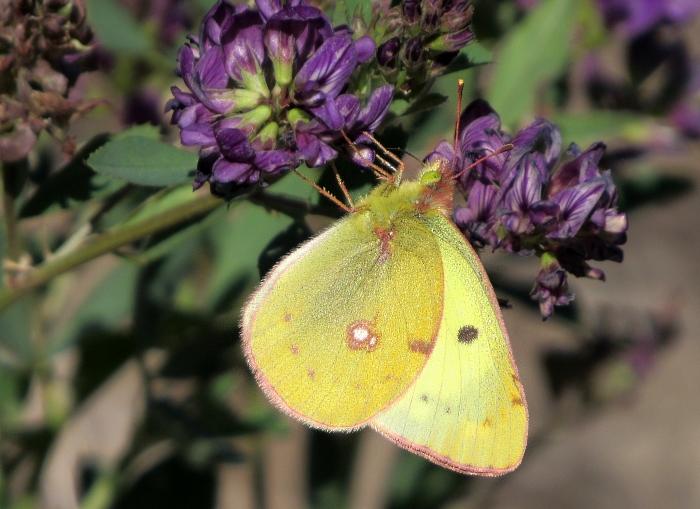
As for the Pale Clouded Yellow, this butterfly is probably overlooked given its similarity to the much commoner Clouded Yellow, especially the pale helice form of the female Clouded Yellow. Even more challenging is the distinction with the equally-scarce Pale Clouded Yellow. Even experienced Lepidopterists are unable to tell these two species apart, unless they have been reared from larvae, when there is an obvious difference.
Description to be completed.
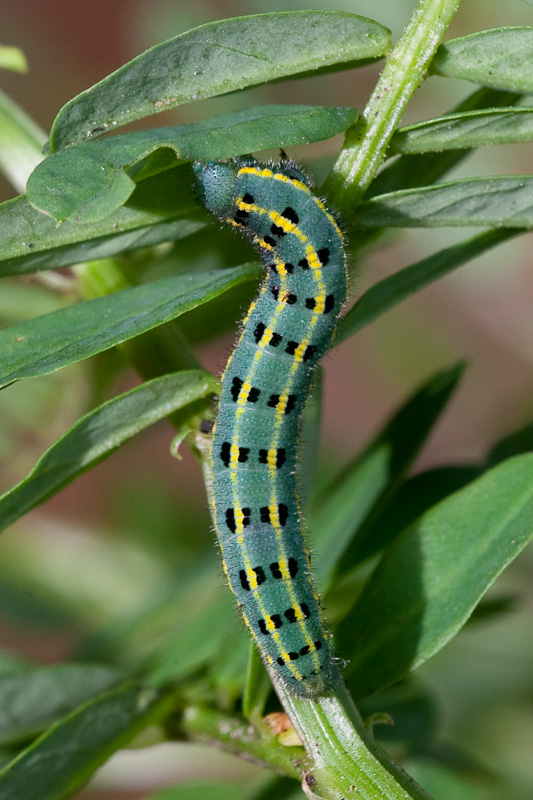
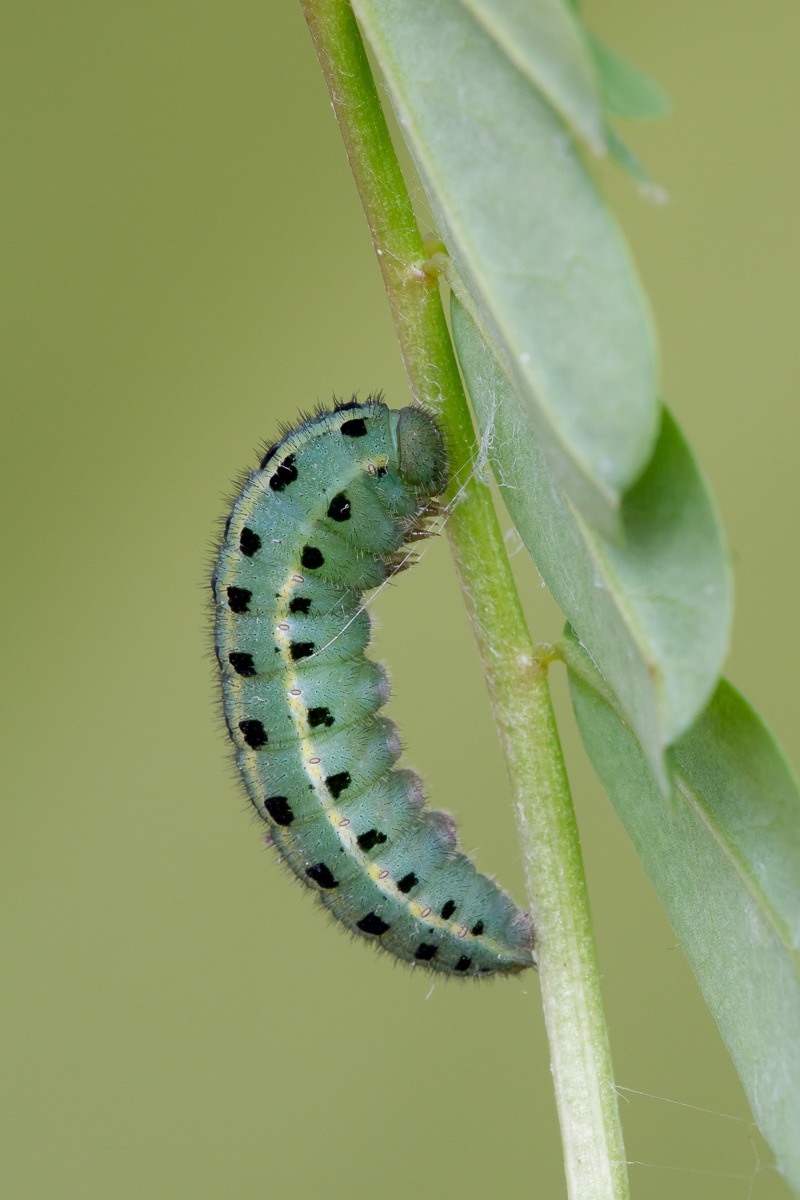
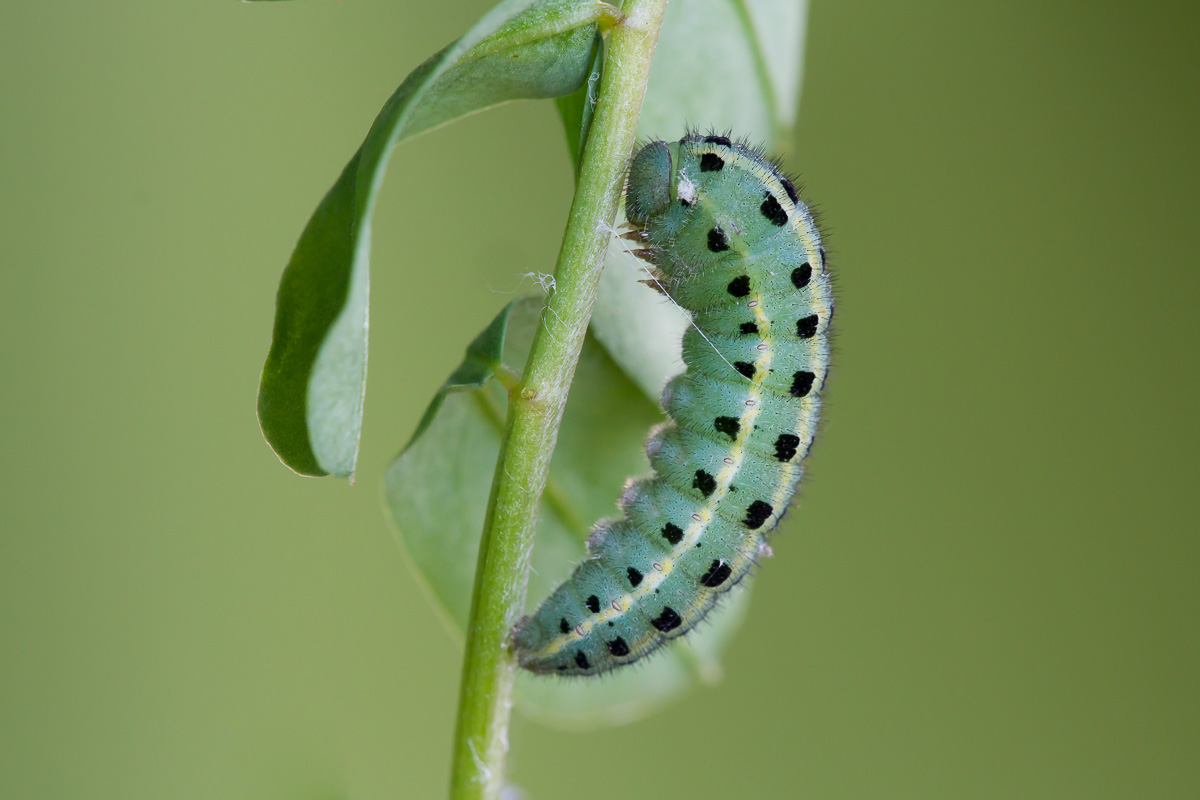
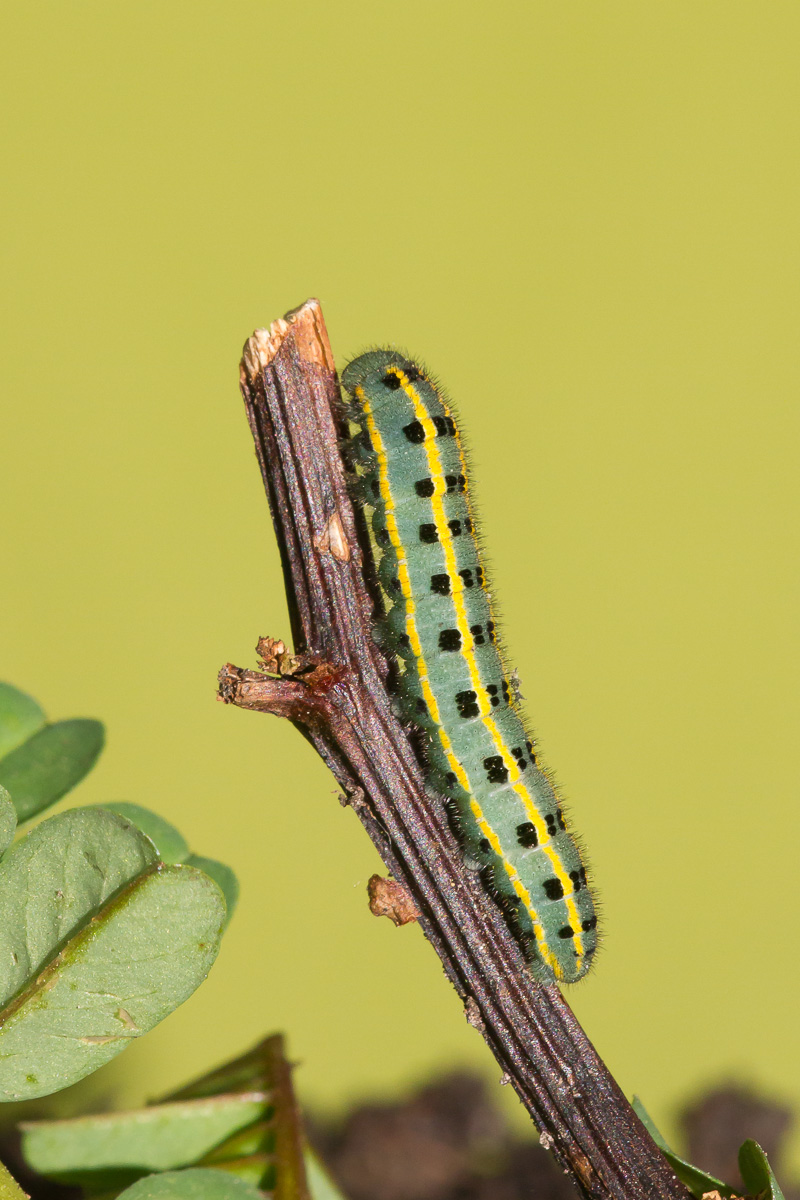
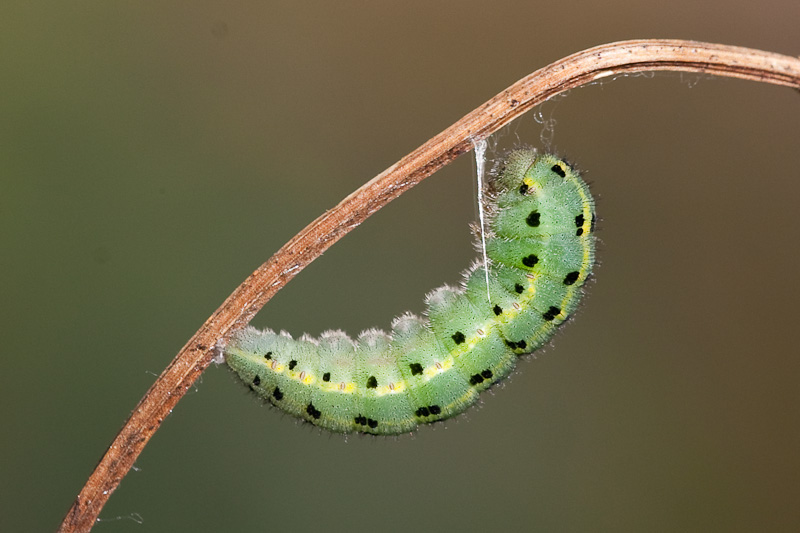
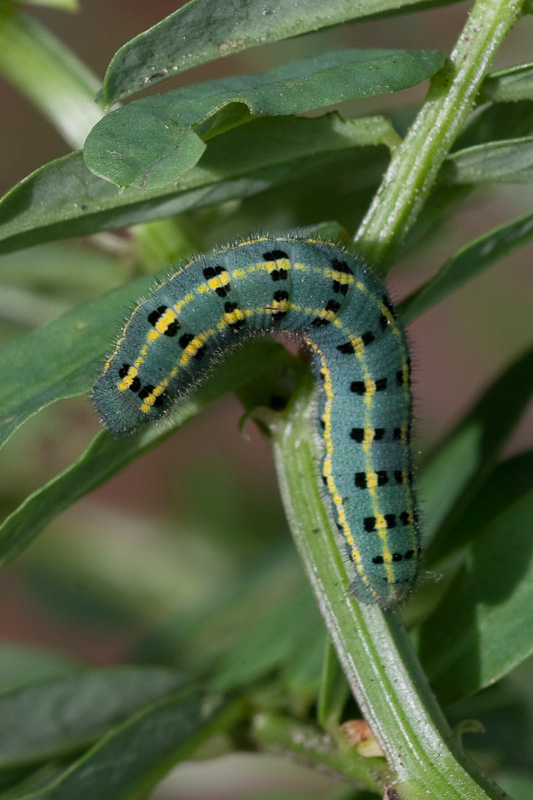
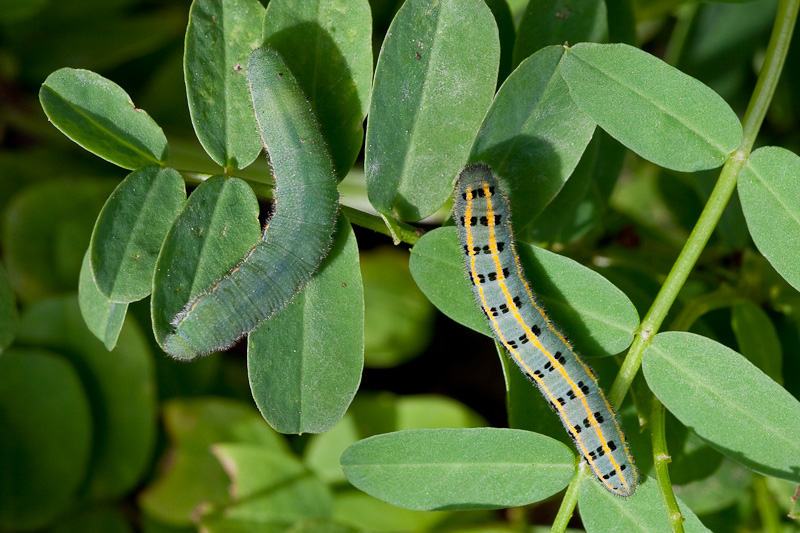
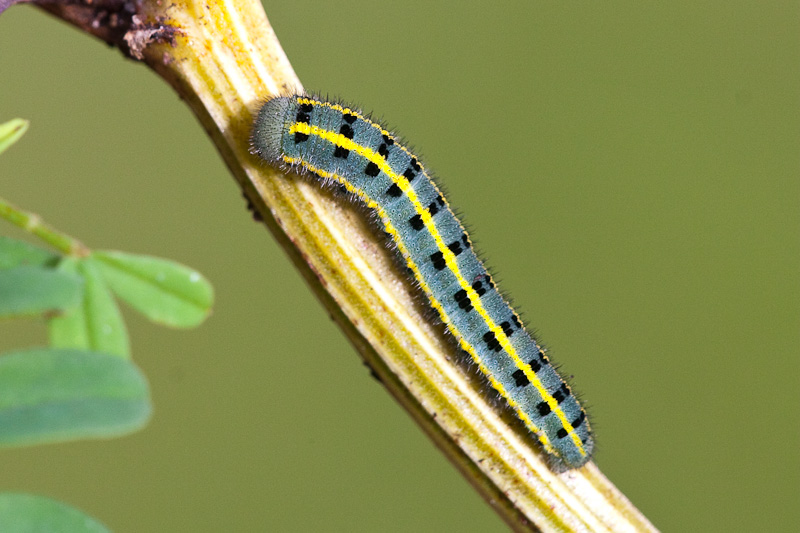
Early-instar larvae live low down on the foodplant although late-instar larvae are sun-lovers and feed quite openly on the leaves of the foodplant. The larva has a yellow stripe running down each side of the body, allowing it to be distinguished from other Colias species.
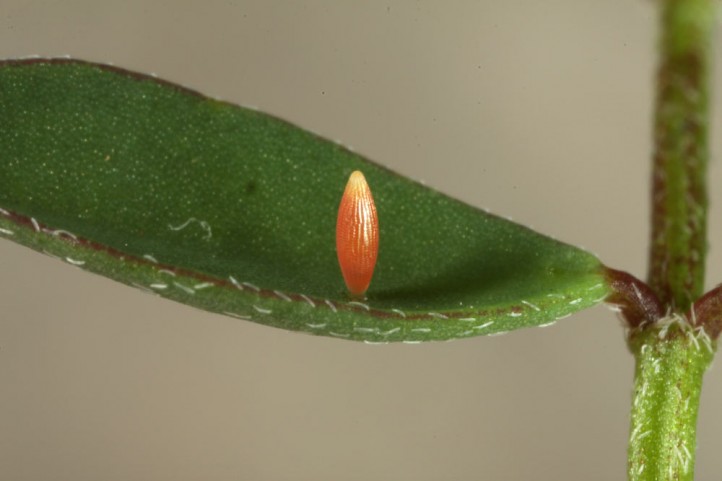
The primary larval foodplant is Horseshoe Vetch (Hippocrepis comosa).
Description to be completed.
Description to be completed.
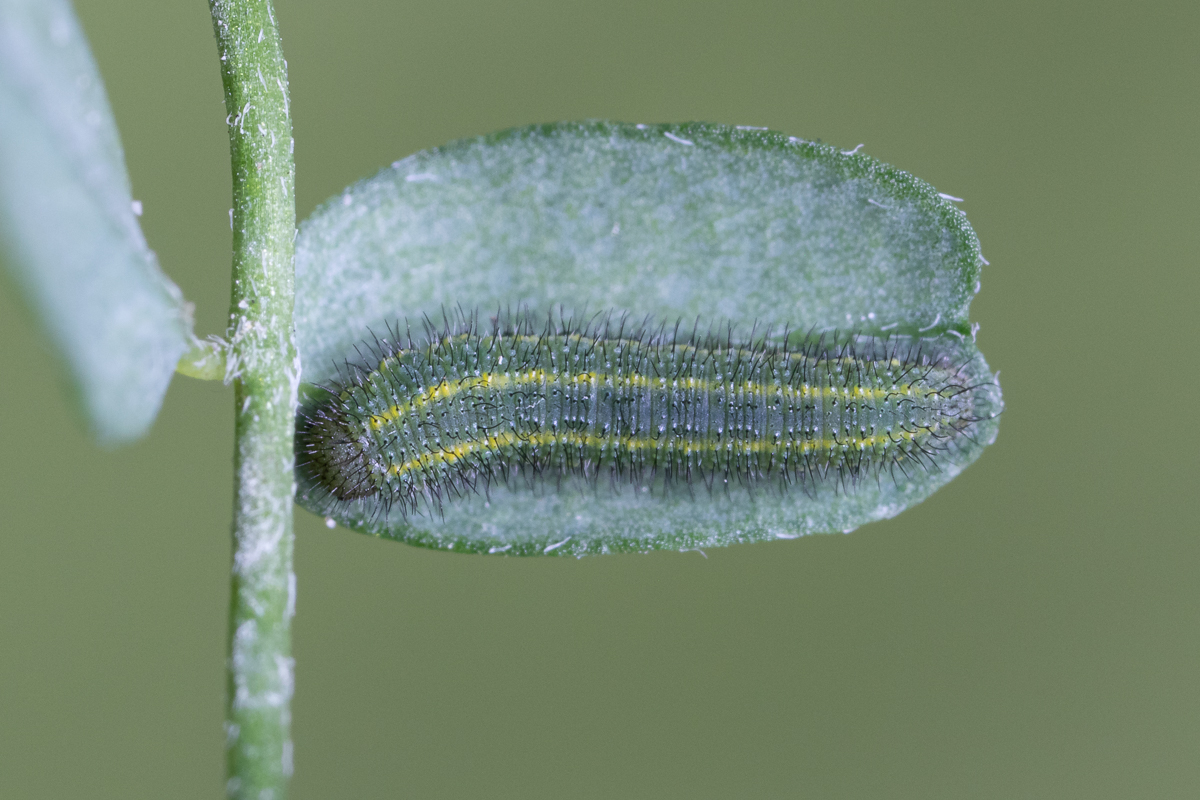
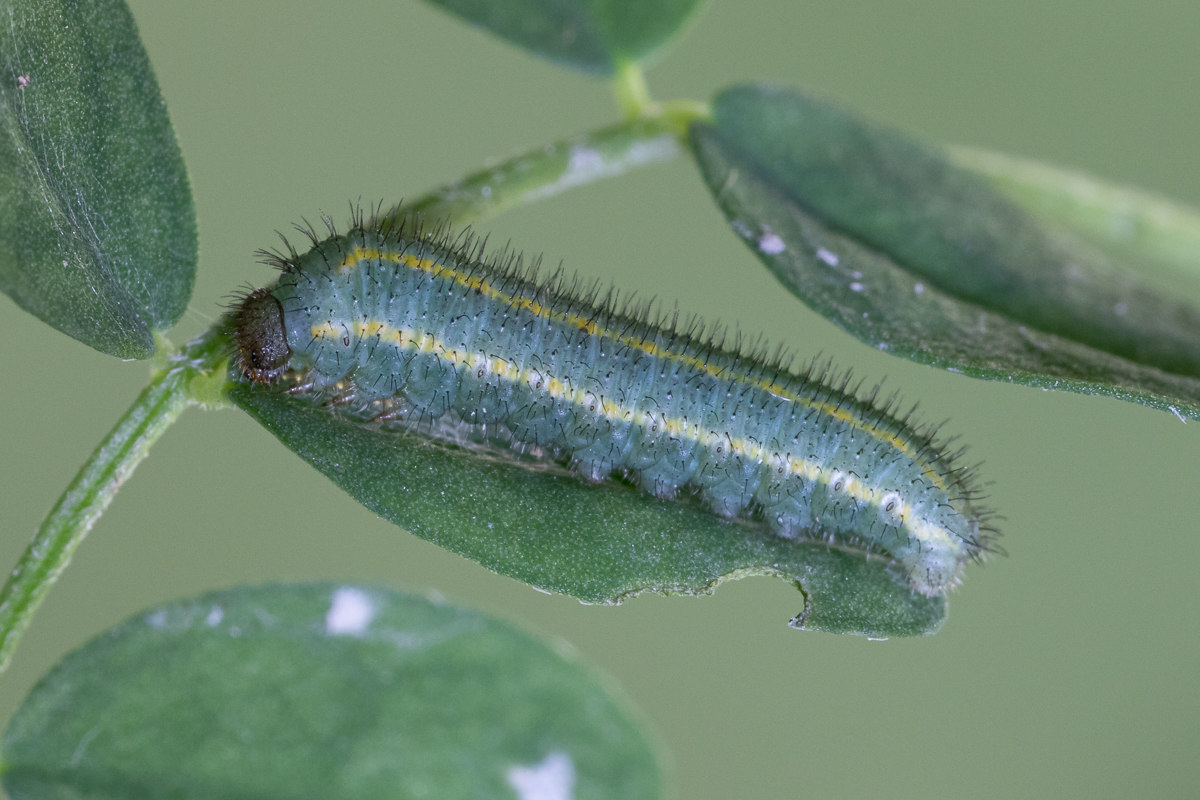
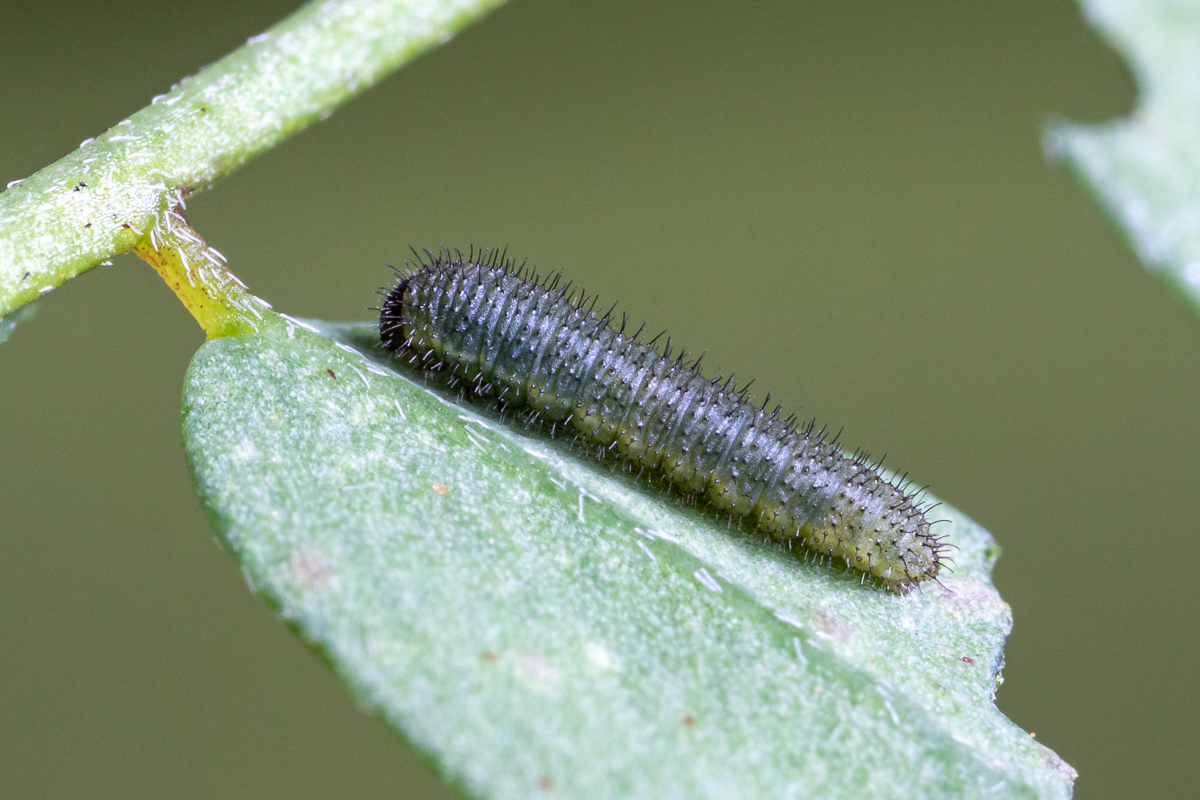
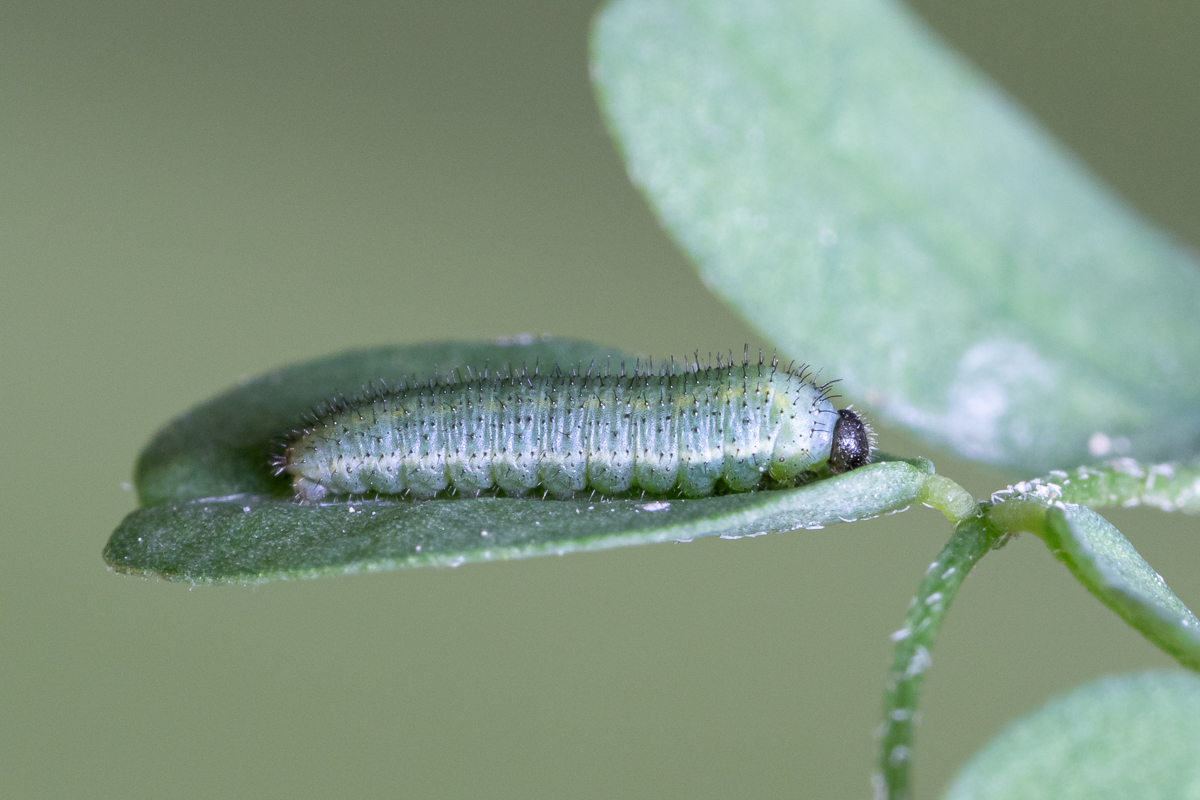
Description to be completed.
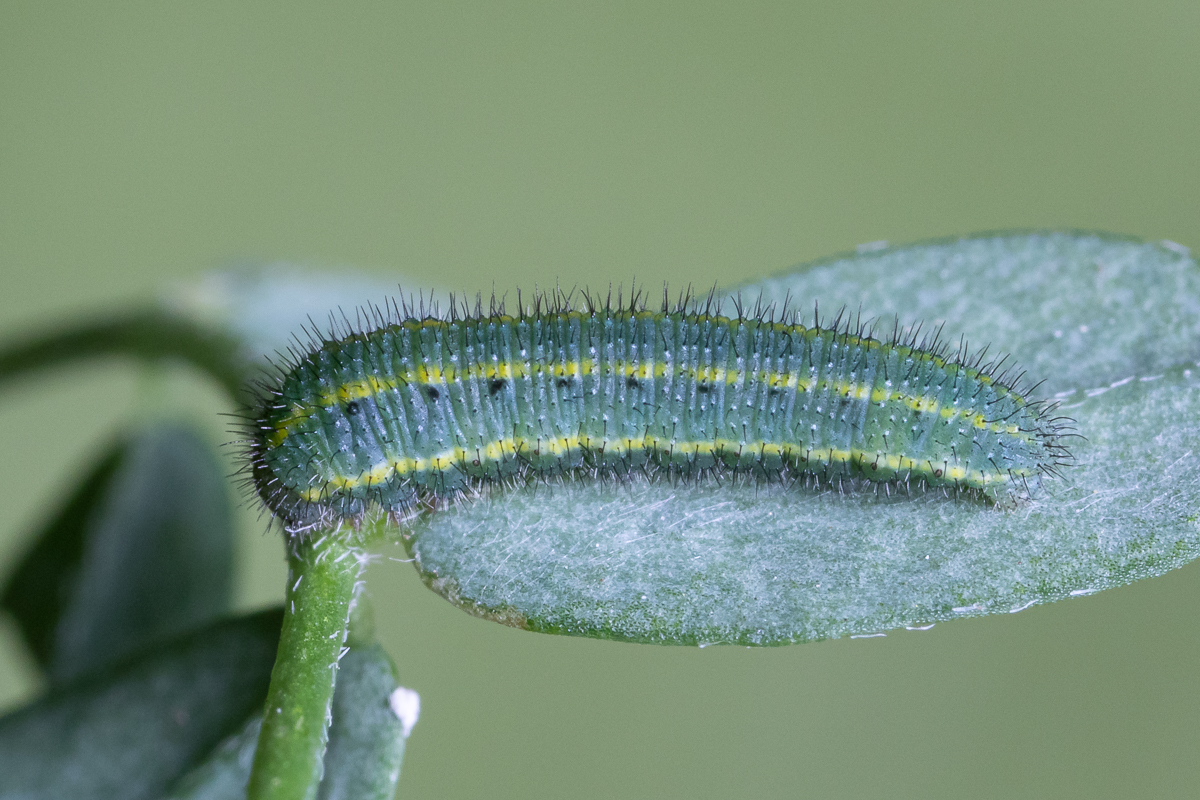
Description to be completed.
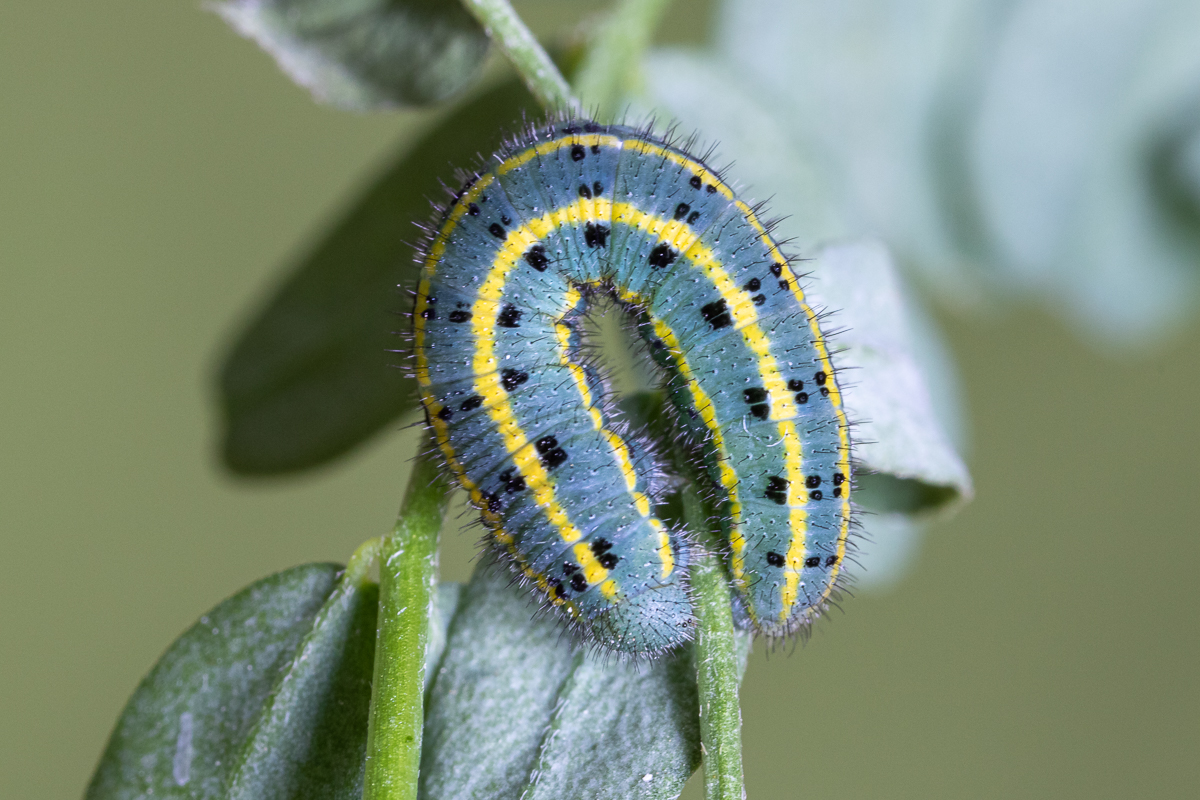
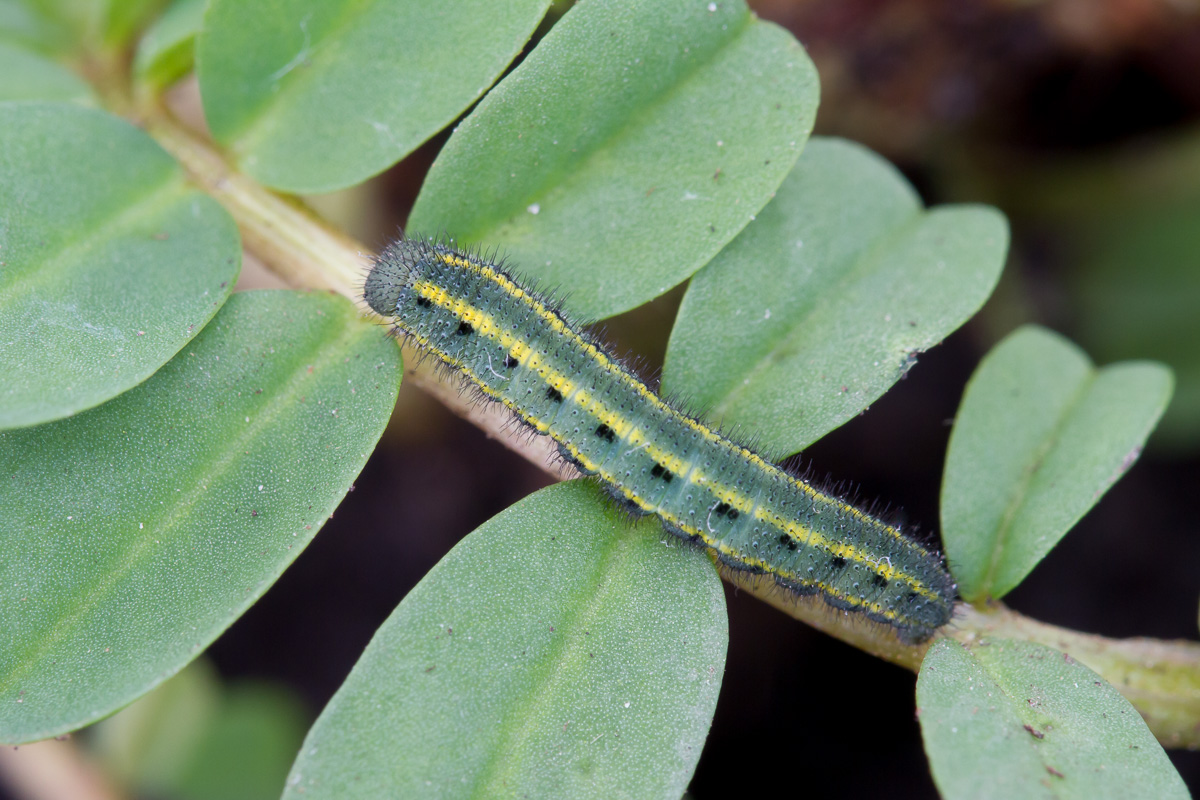
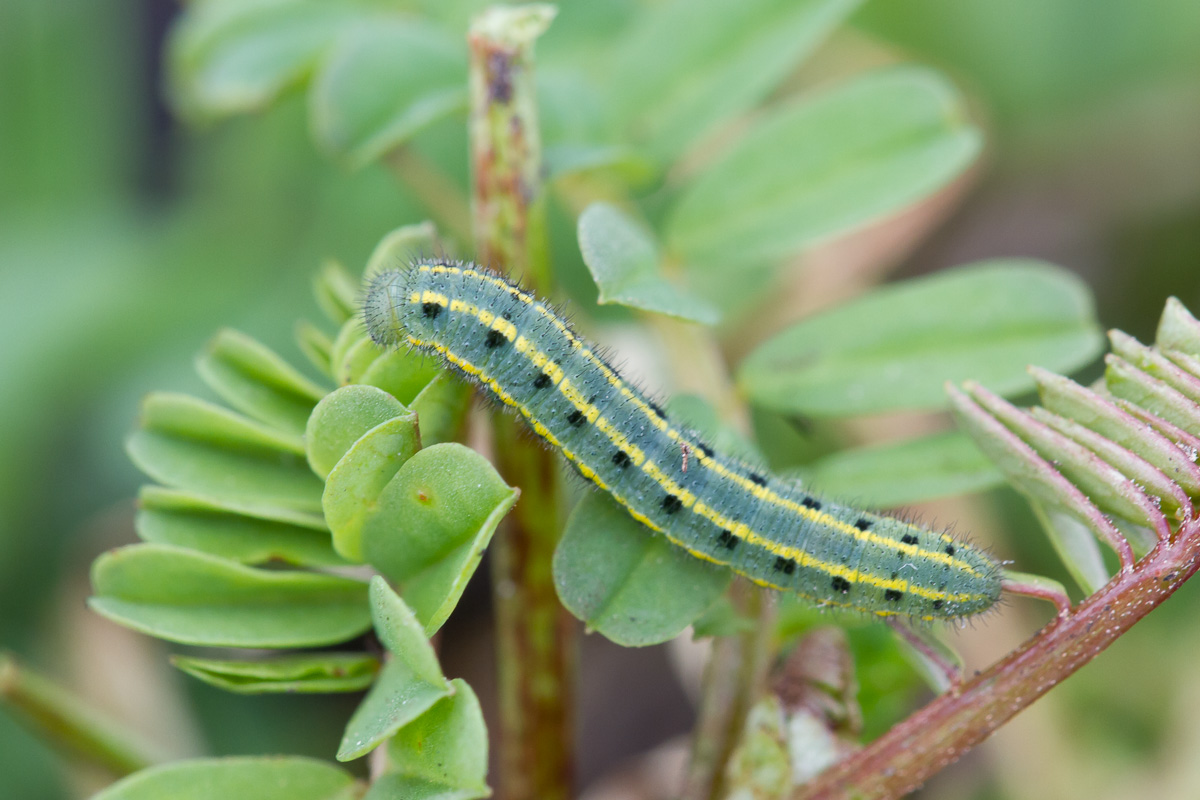
Description to be completed.
The following links provide additional information on this butterfly.