UK Butterflies
Building a Community of Responsible Butterfly Enthusiasts in Britain & Ireland
Building a Community of Responsible Butterfly Enthusiasts in Britain & Ireland
Checklist Number
61.0081
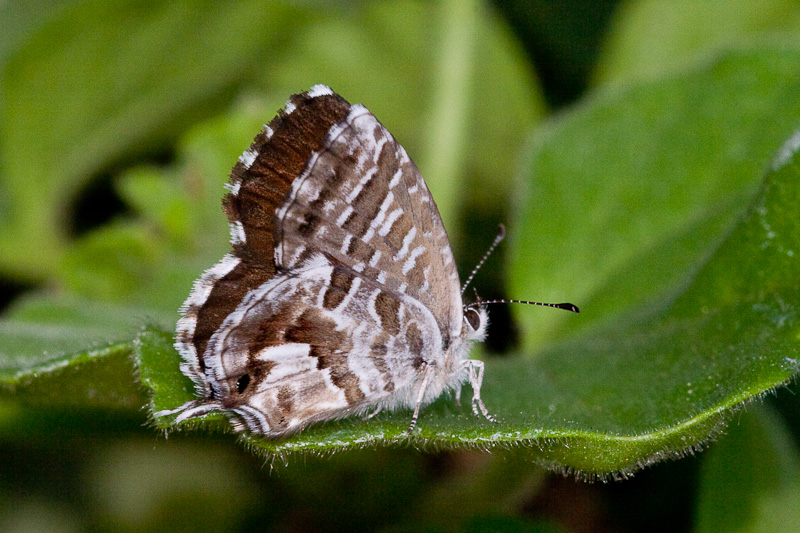
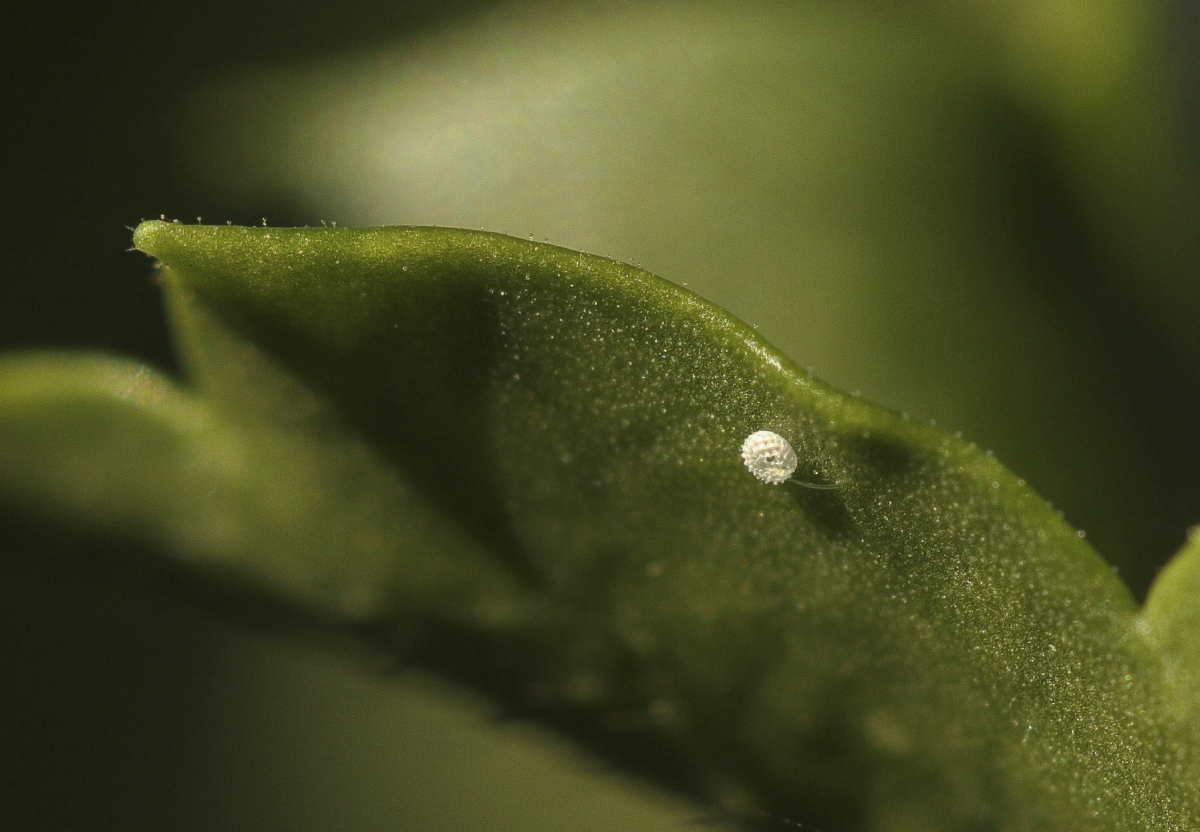
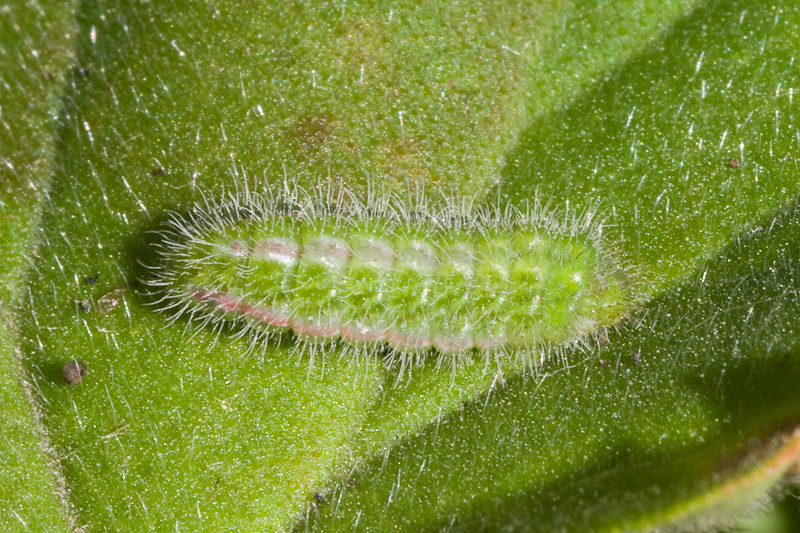
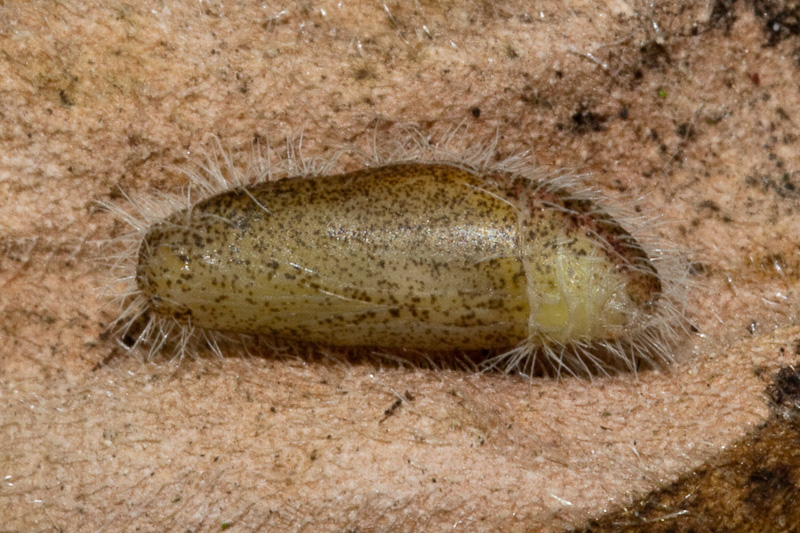
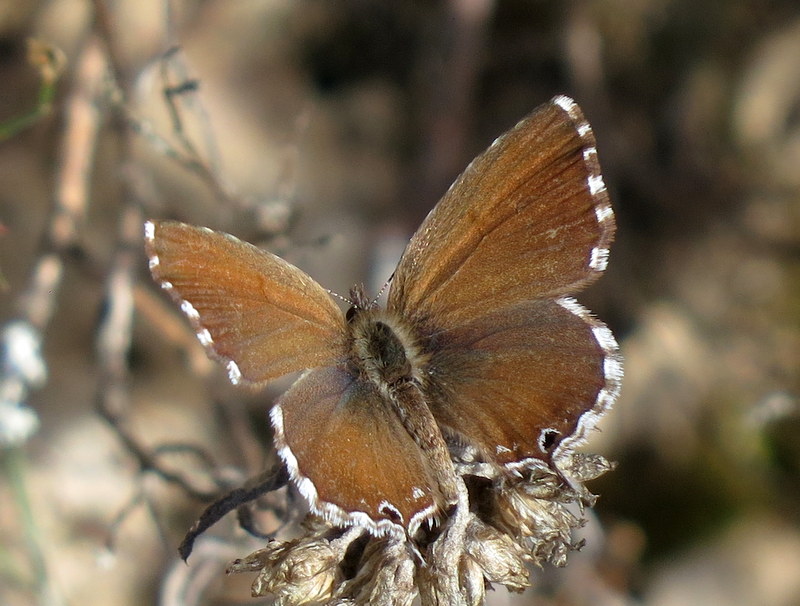
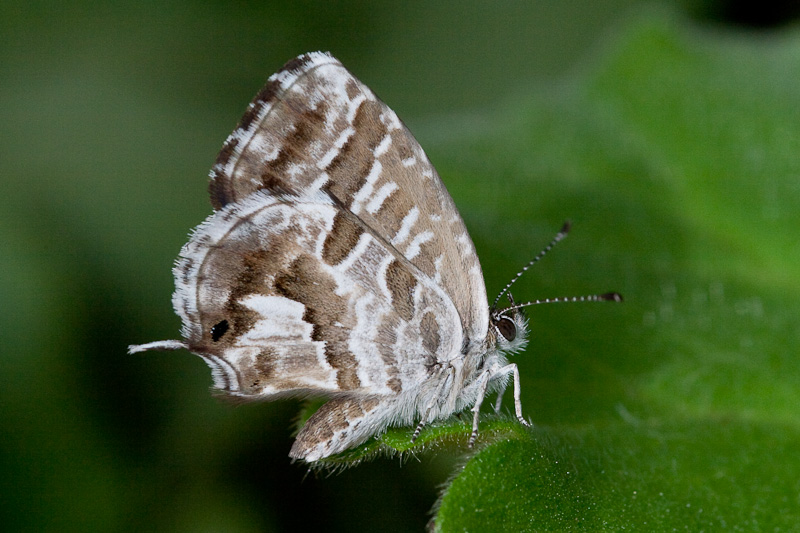
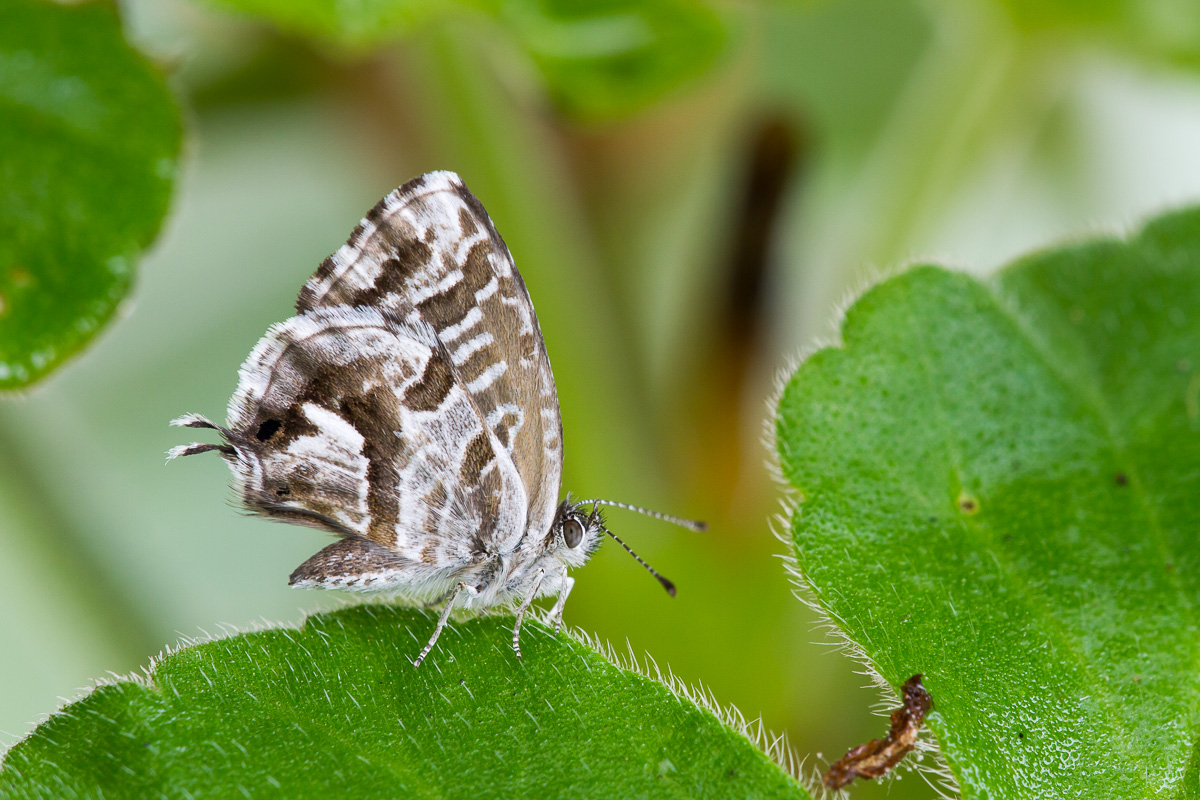
This South African species, considered a pest of cultivated Pelargoniums and Geraniums, first arrived in the British Isles in 1997 when an individual was seen flying around Geraniums in a garden in Kingston, Lewes, East Sussex. Immature stages were subsequently found that gave rise to another generation. It is believed that this butterfly was accidentally imported as immature stages in Geranium plants. This butterfly was accidentally introduced first to the Balearic Islands in 1987 and has since spread to much Spain, France, Italy, Morocco and has even reached Malta.
The following text was kindly provided by, and is copyright, Crispin Holloway, and many of the photos on this page are from Crispin's father, John.
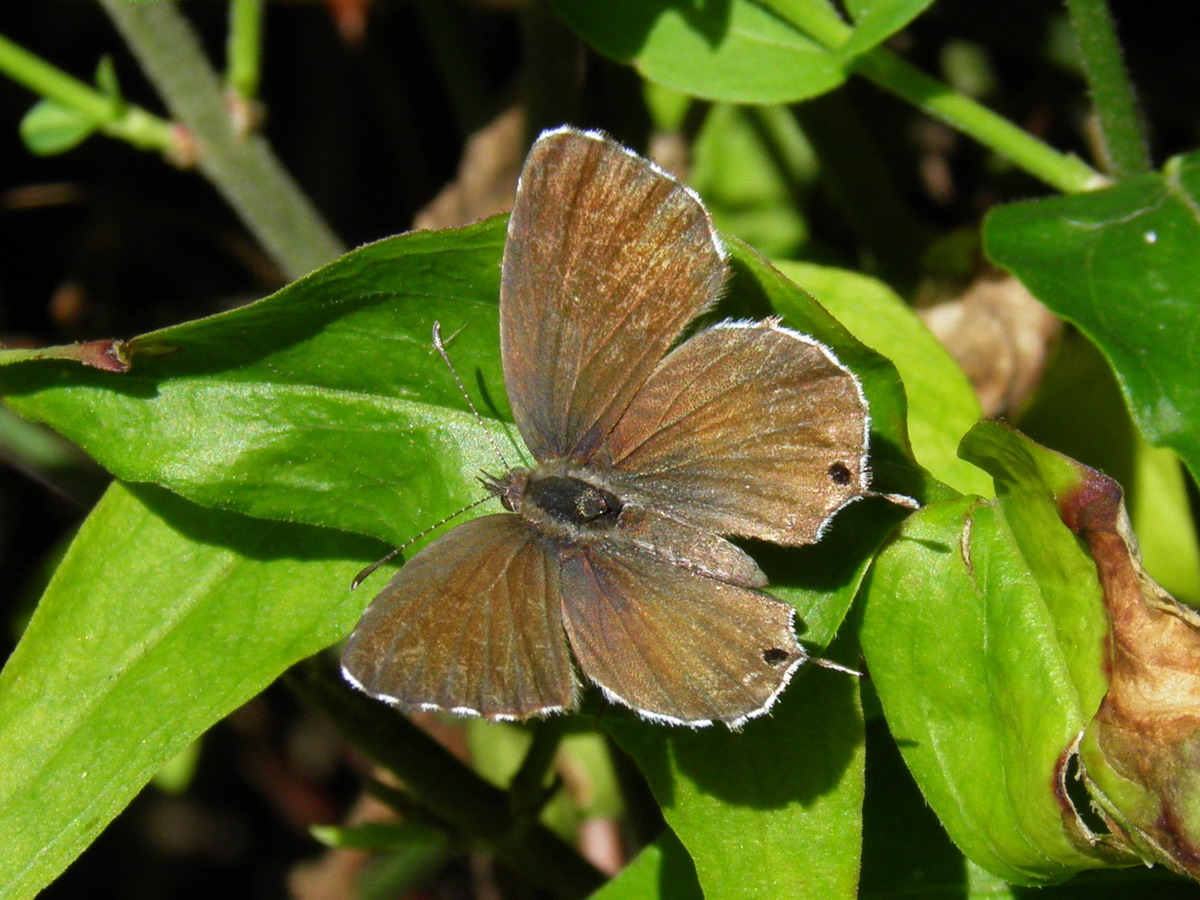
Geranium Bronze (Cacyreus marshalli) was first recorded in Britain by my father (John Holloway) in Kingston, Lewes, East Sussex on the 21st Sept 1997. This was the first new species to be recorded in Britain for 80 years. I remember it all very well. It is probable that it was introduced in the form of ova or young larvae on our neighbour's plants bought from a nursery. It is thought the plants were imported from Spain or Portugal early in the year. When the nursery found out why everyone was wanting to know where their Geranium came from, their story changed a few times - they probably did not want to be thought of as being responsible for introducing the species. The Geranium Bronze (Cacyreus marshalli) is a South African Lycaenid whose larvae feed on Geranium and Pelargonium. It was accidentally introduced to the Balearic Islands in about 1987 and has since spread to much of Spain, southern France, parts of Italy and Morocco. Articles appeared in Butterfly Conservation Sussex Branch Newsletter Winter 1997, Butterfly Conservation News No. 67, Atropos No. 4 & 6 as well as all the local and some national media.
This is how it all started: At first glance it was thought to be a Brown Argus behaving strangely, flying round the Geraniums in the front garden - then the tails on the hind wings were noticed. My father first thought it was a Lang's Short Tailed Blue. He took a number of photos and video, it was very approachable to within about six inches then we saw it was ovipositing on the potted geraniums! We were completely puzzled. Nick Bowles described a picture of Geranium Bronze (Cacyreus marshalli) to my father and we were then able to confirm that it was a Geranium Bronze.
Two days later (23/9/97) we saw and photographed a second individual (the first one had scratch marks on a wing, but this one hadn't); it continued to flutter around and laid more eggs. Then a third appeared. This one was not interested in geraniums, it was smaller, darker and had more distinct markings - probably a male. On one day we had about 4 flying in the garden!
We searched all the Geranium and Pelargonium and found many eggs. We then chose to rear them in different ways - some on potted plants covered in netting at room temperature in the house, and some in small plastic containers indoors and some on plants in the greenhouse. The eggs hatched in 6 days.
Most of the young larvae burrowed into the flower buds but a few mined the leaves initially, later scaling the underside of the leaf. They were difficult to rear in the plastic containers, only feeding on old dried flower buds and leaves - even when fresh food was put alongside them they still went for the old dried up stuff. Those in warm situations grew more quickly than those on plants in an unheated room.
In South Africa the lifecycle is about 46 days. Our first larvae pupated 52 days after hatching from the egg. With great difficulty we managed to get a larva to feed on Dove's-foot Crain 's-bill. It fed very slowly for several weeks then perished. I think it is very unlikely that it would ever adapt to feeding on this plant as they would really struggle, regardless of the cold.
We had several visits from MAFF to assess the potential of the species as a threat to the horticultural trade. With the flourishing horticultural trade it is quite possible some more could come into the country but I think it is unlikely that it could ever survive our winters, especially as it is continually brooded. Having said that, on Nov 1st 97 we did find one female roosting in the garden with a Small Copper after an air frost of -1.8c. The story ends with one surprise sighting the next May 1998 - it is presumed to have made it through the winter feeding in our neighbour's greenhouse.
This species was first defined in Butler (1898) as shown here and as shown in this plate (type locality: South Africa).
| Family: | Lycaenidae | Leach, 1815 |
| Subfamily: | Polyommatinae | Swainson, 1827 |
| Tribe: | Polyommatini | Swainson, 1827 |
| Genus: | Cacyreus | Butler, 1898 |
| Subgenus: | ||
| Species: | marshalli | Butler, 1898 |