UK Butterflies
Building a Community of Responsible Butterfly Enthusiasts in Britain & Ireland
Building a Community of Responsible Butterfly Enthusiasts in Britain & Ireland

po-lee-oh-MAY-tuss bell-AH-guss
Wingspan
30 - 40 mm
Checklist Number
61.019
po-lee-oh-MAY-tuss bell-AH-guss
Wingspan
30 - 40 mm
Checklist Number
61.019
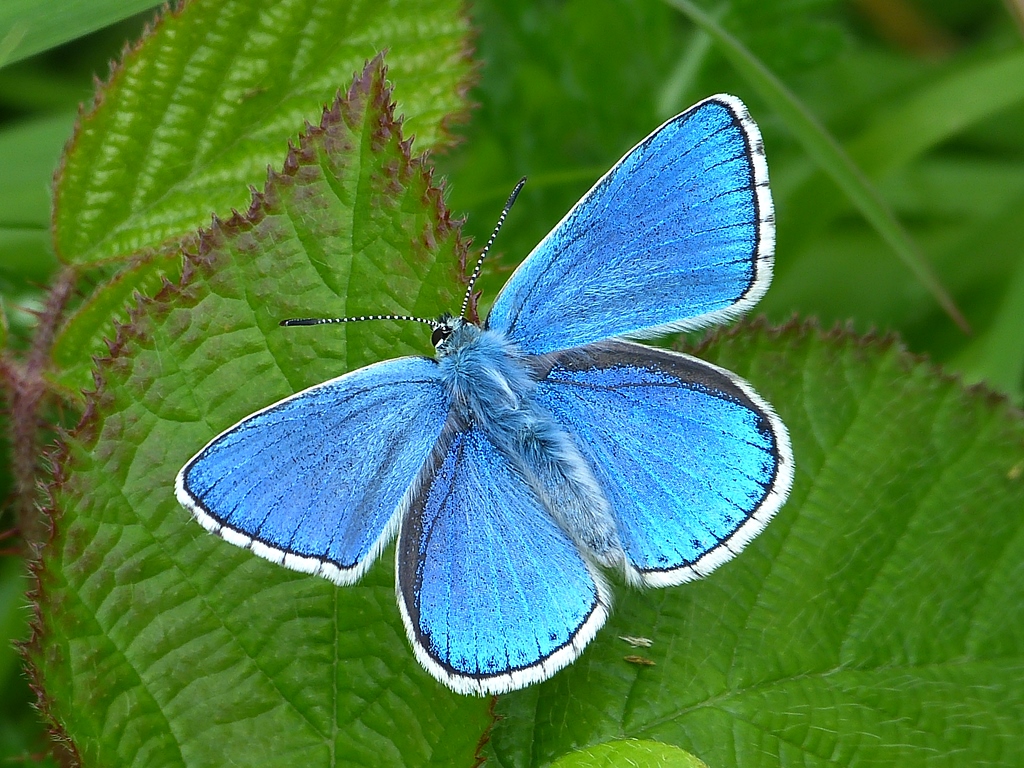
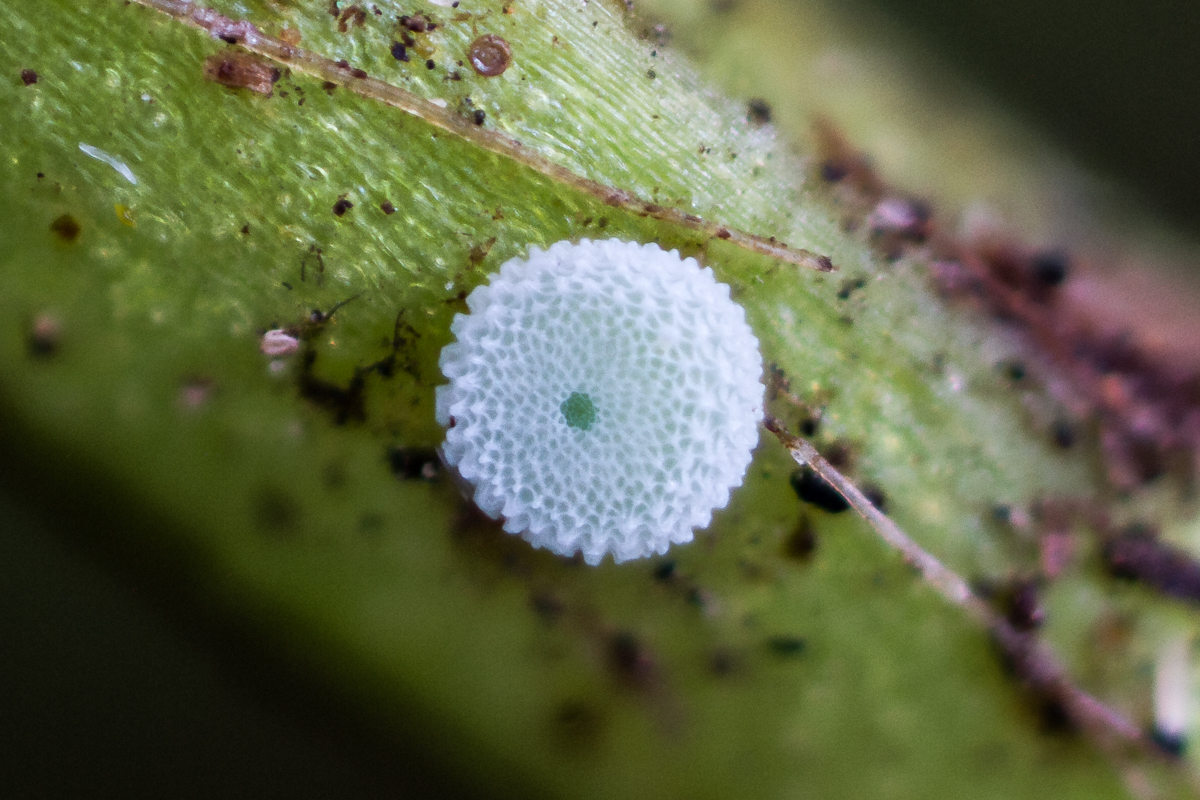
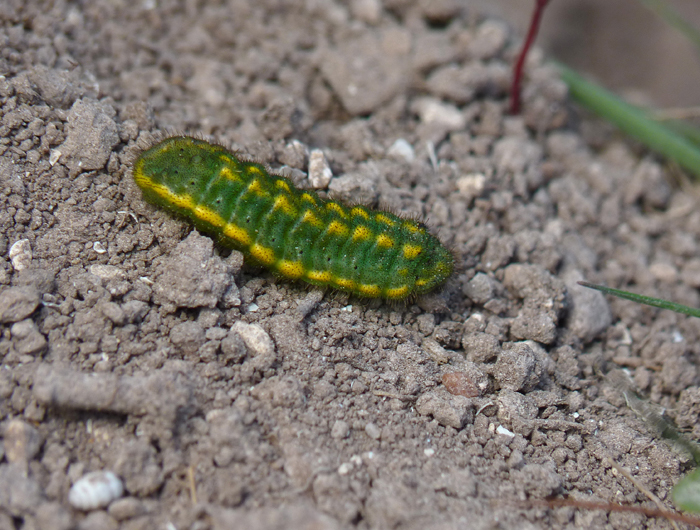
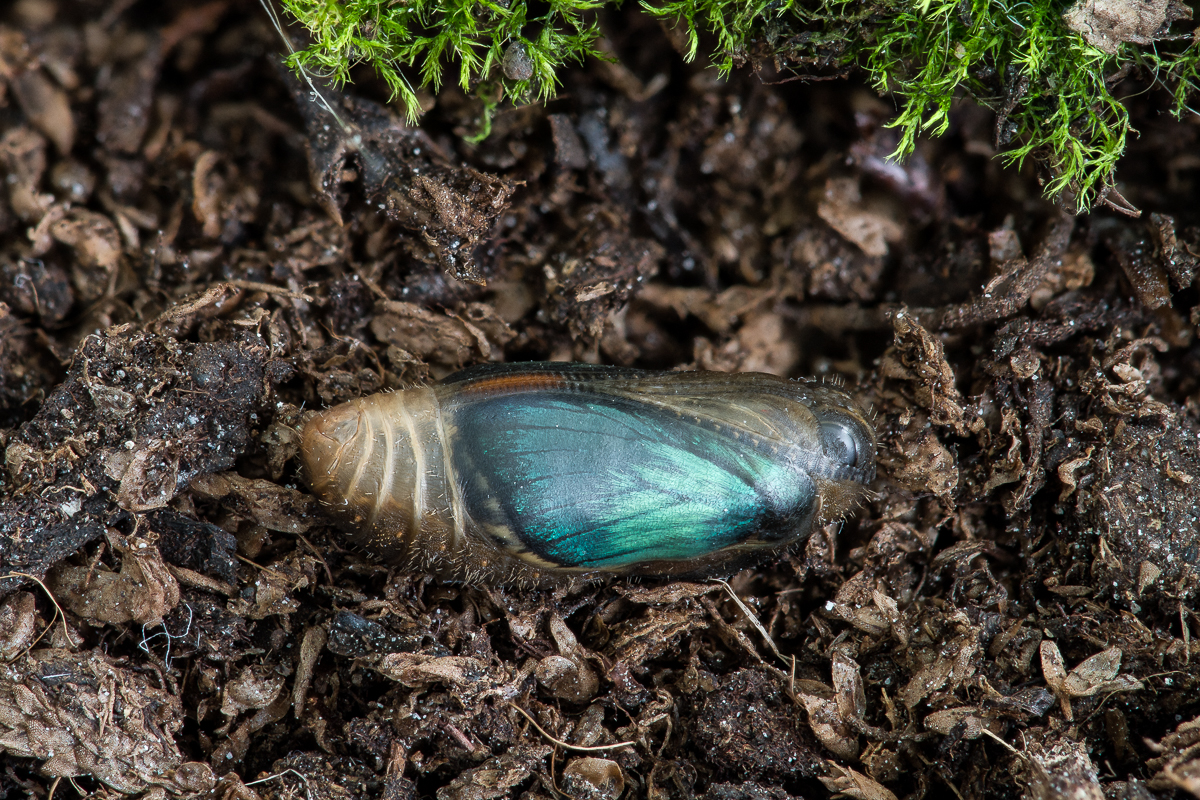
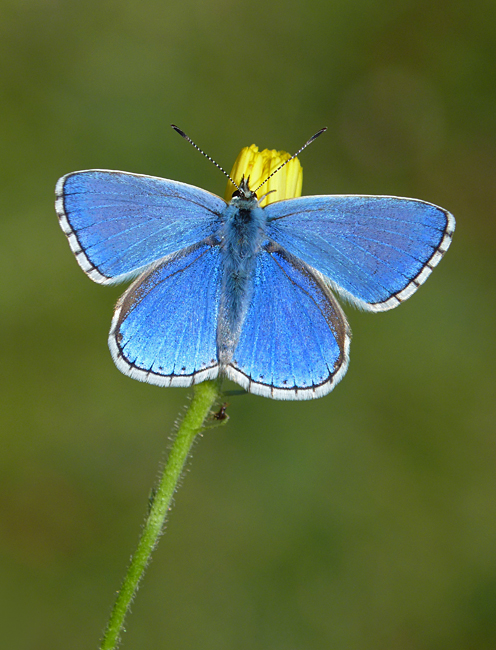
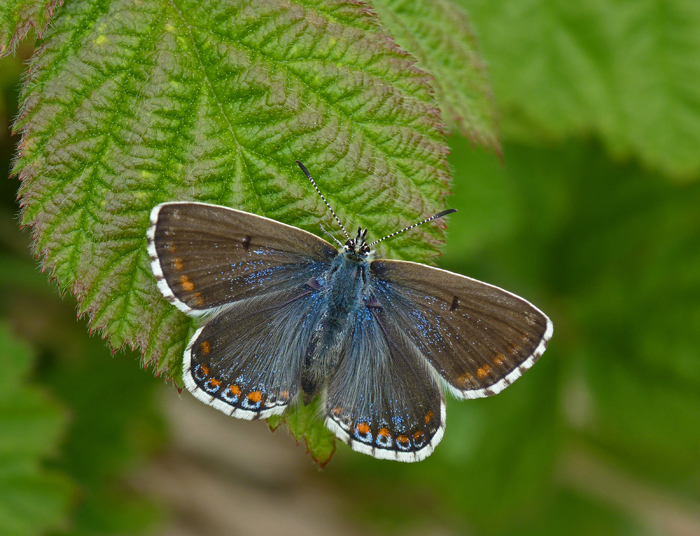
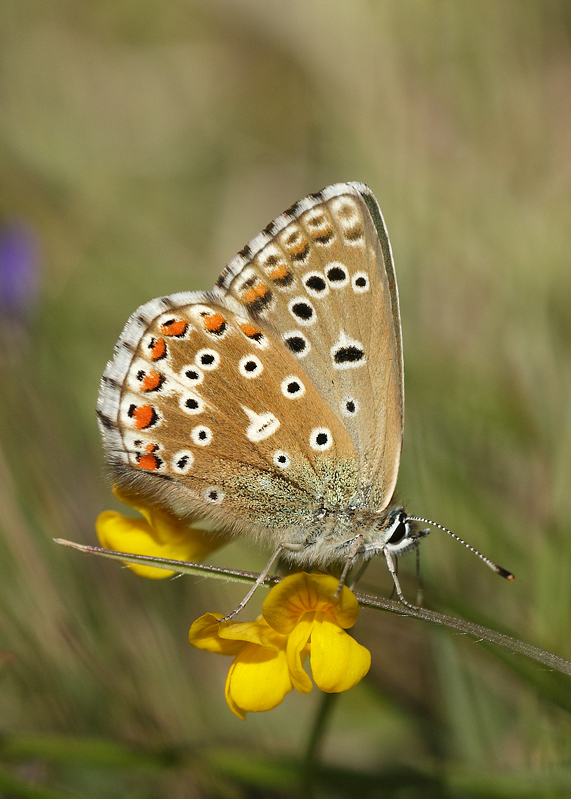
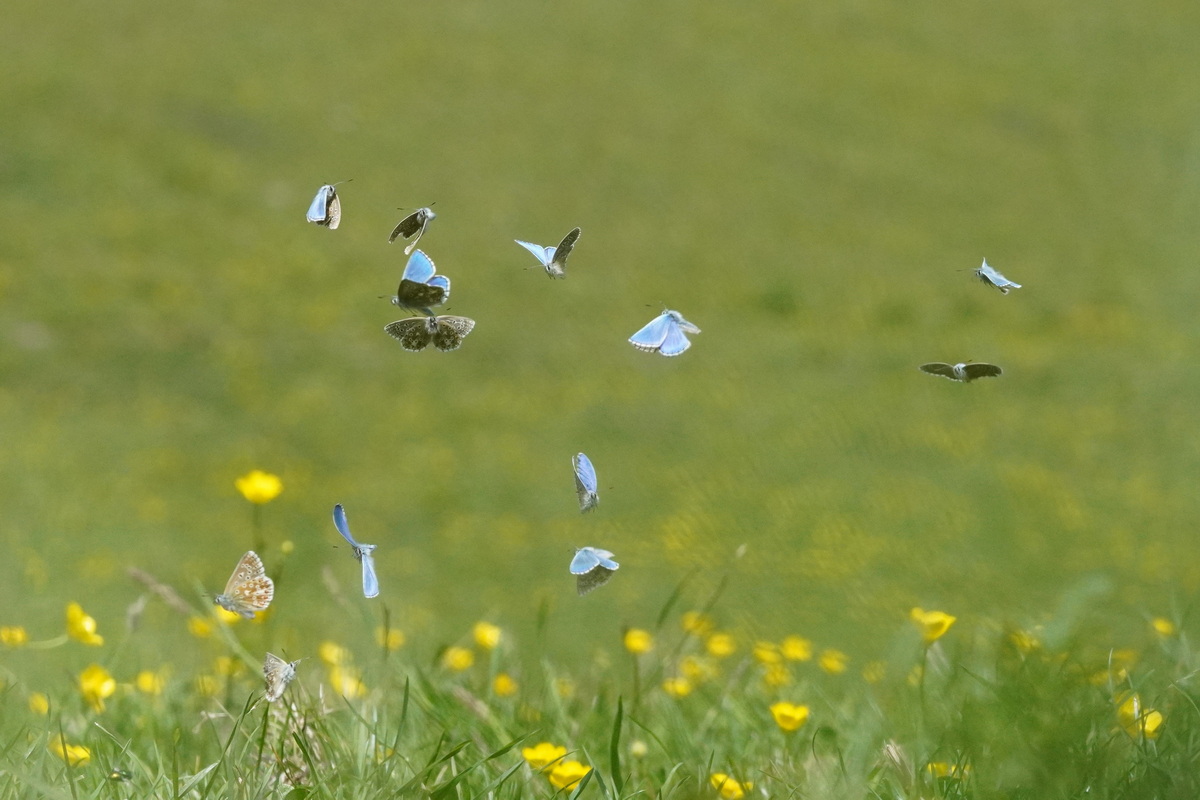
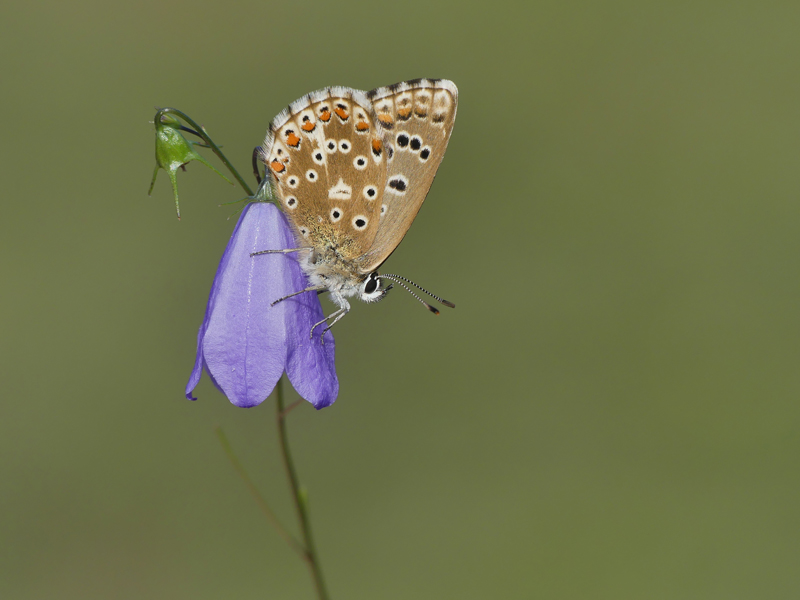
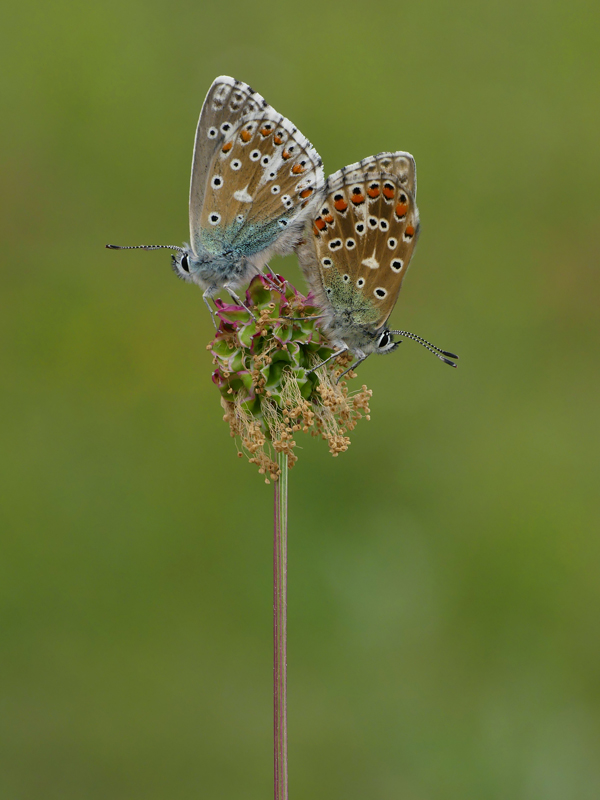
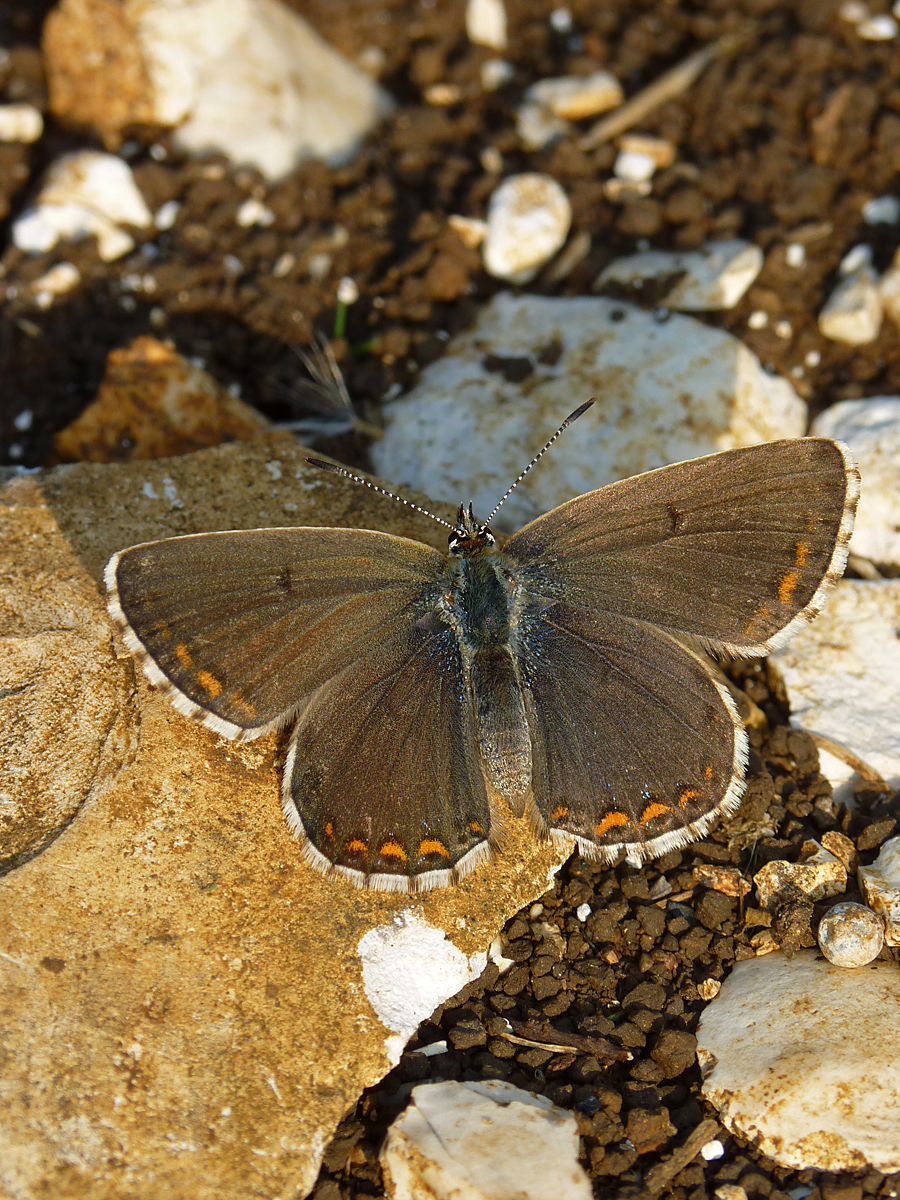
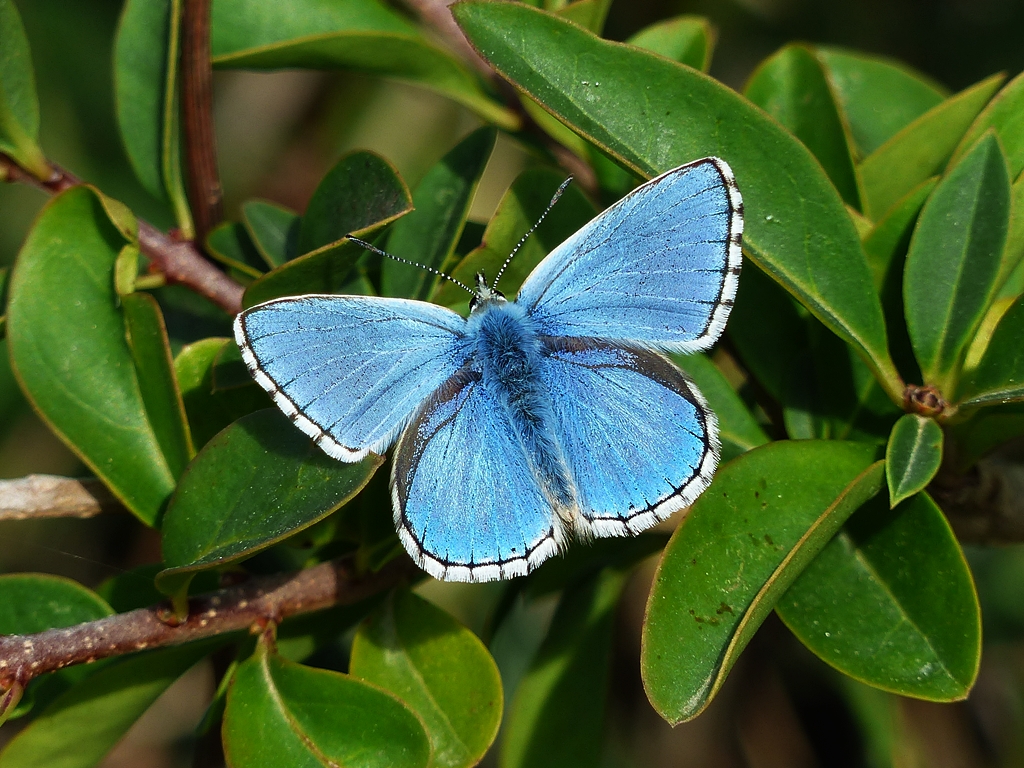
The Adonis Blue is a species of chalk downland, where it may be found in warm, sheltered spots. The male Adonis Blue has brilliantly-coloured blue wings that gives this butterfly its name, and can be found flying low over vegetation, seeking out the less-conspicuous females that are a rich chocolate brown in colour. Like its close relative, the Chalk Hill Blue, the distribution of this species follows the distribution of Horseshoe Vetch which, in turn, follows the distribution of chalk and limestone grassland. However, this species has a more restricted distribution than the Chalk Hill Blue, indicating more precise habitat requirements. This butterfly can be found in large numbers where it does occur, such as the chalk downloads of Dorset, South Wiltshire, West Sussex, East Sussex and East Kent. This species is absent from central England, northern England, Wales, Scotland, Ireland, the Isle of Man and the Channel Islands. This species lives in discrete colonies.
| Family: | Lycaenidae | Leach, 1815 |
| Subfamily: | Polyommatinae | Swainson, 1827 |
| Tribe: | Polyommatini | Swainson, 1827 |
| Genus: | Polyommatus | Latreille, 1804 |
| Subgenus: | Lysandra | Hemming, 1933 |
| Species: | bellargus | (Rottemburg, 1775) |
Description to be completed.
The distribution data (2000-2009) has been made available through the generosity of Butterfly Conservation and any subspecies distribution is taken from Riley (2007). Click here to see the distribution of this species together with site information overlaid.
This is a warmth-loving species, preferring sheltered, south-facing slopes. This species is found where the turf is closely-cropped, possibly because it provides a higher temperature for the immature stages or because this is a requirement for the ant species that attend the Adonis Blue larva and pupa. The loss of grazing by rabbits, for example, causes the sward to become overgrown and can render a site unsuitable for this species.
This butterfly is dependent on unimproved calcareous grassland and has suffered from both loss of habitat as well as inappropriate habitat management. It is therefore considered a species of conservation concern.
The table below shows the occurrence (distribution) and abundance (population) trends, using information from The State of the UK's Butterflies 2015 (Fox, 2015). Any UK BAP status is taken from the UK Biodiversity Action Plan (UK BAP) (2007 review).
1976-2014 (%) | 1976-2014 (%) | 2005-2014 (%) | 2005-2014 (%) |  -6 -6 |  +175 +175 |  -12 -12 | -43 |
|---|
There are two broods each year. The first adult emergence is in the second half of May, peaking at the end of May and beginning of June. The second adult emergence is in the second half of August, peaking at the end of August and beginning of September.

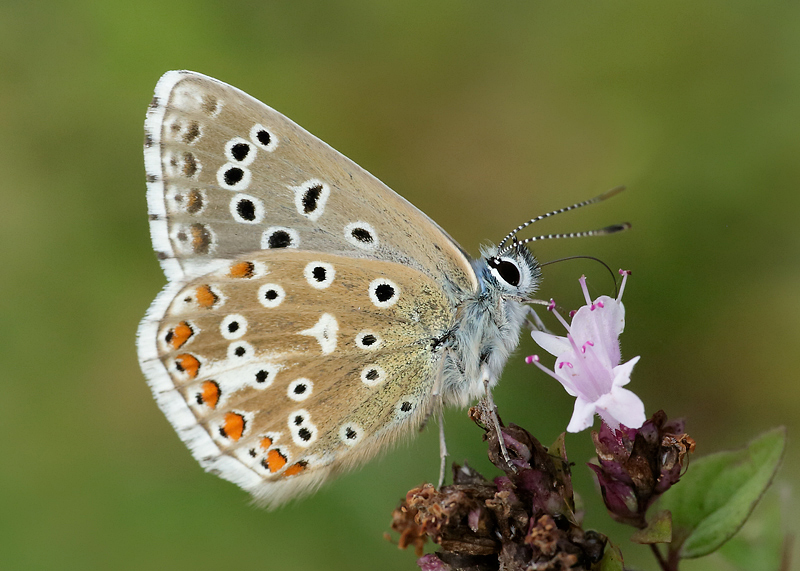
The sexes are strongly dimorphic; the males being a magnificent electric blue, and the females being a chocolate brown. The adults live in concentrated colonies and appear to have limited powers of dispersal. However, on good sites, this species can be found by the hundred. This species can be found roosting communally at night.
Adults feed primarily on Horseshoe Vetch (Hippocrepis comosa), knapweeds (Centaurea spp.), ragworts (Jacobaea spp.), thistles (Carduus spp. and Cirsium spp.) and Wild Marjoram (Origanum vulgare).
Eggs are laid singly, typically on the underside of terminal leaves of the foodplant. A preference is shown for small sprigs of foodplant growing in short turf. Eggs laid in May or June hatch in a week or two, whereas those laid in August and September can take several weeks longer.
"L. bellargus hibernates as a larva in either of the first three stages, according to the date of hatching. Those that hatch in October feed only for a few days and hibernate in the first stage, while others that hatch earlier in the autumn may have attained their second moult before entering into hibernation. Two females captured at Purley, Surrey, on June 10th, 1901, deposited a large number of eggs during the four following days; they hatched on June 29th, remaining about eighteen days in the egg state. On September 3rd, 1905, several females, mostly in very fresh condition, apparently just emerged, were captured at Dorking, Surrey. Five were placed on three separate plants of Hippocrepis comosa, but only one laid a few eggs on September 10th; these females lived until October; the last one survived until October 21st, having lived forty-eight days in captivity. On October 16th two eggs were hatched, and two others hatched on the 17th, remaining thirty-six days in the egg stage. One egg first showed signs of hatching on October 18th, when a small hole appeared in the shell; the larva ate more away daily, but did not emerge until October 25th, being forty-five days in the egg state, an extraordinarily long time. Eggs laid during the last eight days of September, 1910, started hatching in the middle of October. The time occupied in the egg stage is entirely controlled by temperature, consequently the time is liable to vary from about two weeks in the summer to over six weeks in late autumn. When this butterfly is engaged in egg-laying its flight is slow and fluttering, just above the herbage while searching for a suitable plant of H. comosa; when one is selected, she settles upon it, and curving her abdomen under one of the leaflets, deposits a single egg on the under surface and flits off to another plant, and repeats the process. Although the under surface of a leaflet is the usual site chosen for the eggs, they are sometimes deposited on the upper surface of the leaflets, and occasionally on the stalks of the plant. H. comosa is apparently the only natural food plant of this species. The egg is 0.50 mm. in diameter and 0.30 mm. high. It differs in shape from the eggs of the other British Lycaenas, excepting L. coridon. In the flatness of the upper surface of the egg it resembles coridon, but it differs from that species and resembles the others in its compressed circular form. The reticulations are very much smaller and less prominent than those of coridon, therefore produce a much closer pattern; the micropyle is also considerably smaller and very finely punctured; the reticulations surrounding it are very small, but they gradually increase in size to rather more than half way to the outer edge, where they become much larger, and form an open irregular network pattern forming triangular spaces. They are united by prominent raised knobs, so that from each knob from five to seven ridges diverge; they suddenly become broken up at the base, where they produce a number of perpendicular ridges. The whole of the reticulated structure, both the knobs and ridges, resembles rough frosted glass. The surface at the bottom of the cells is finely granulated. The colour also differs from that of coridon, and resembles L. astrarche [now agestis, Brown Argus], being of a decidedly green hue." - Frohawk (1924)
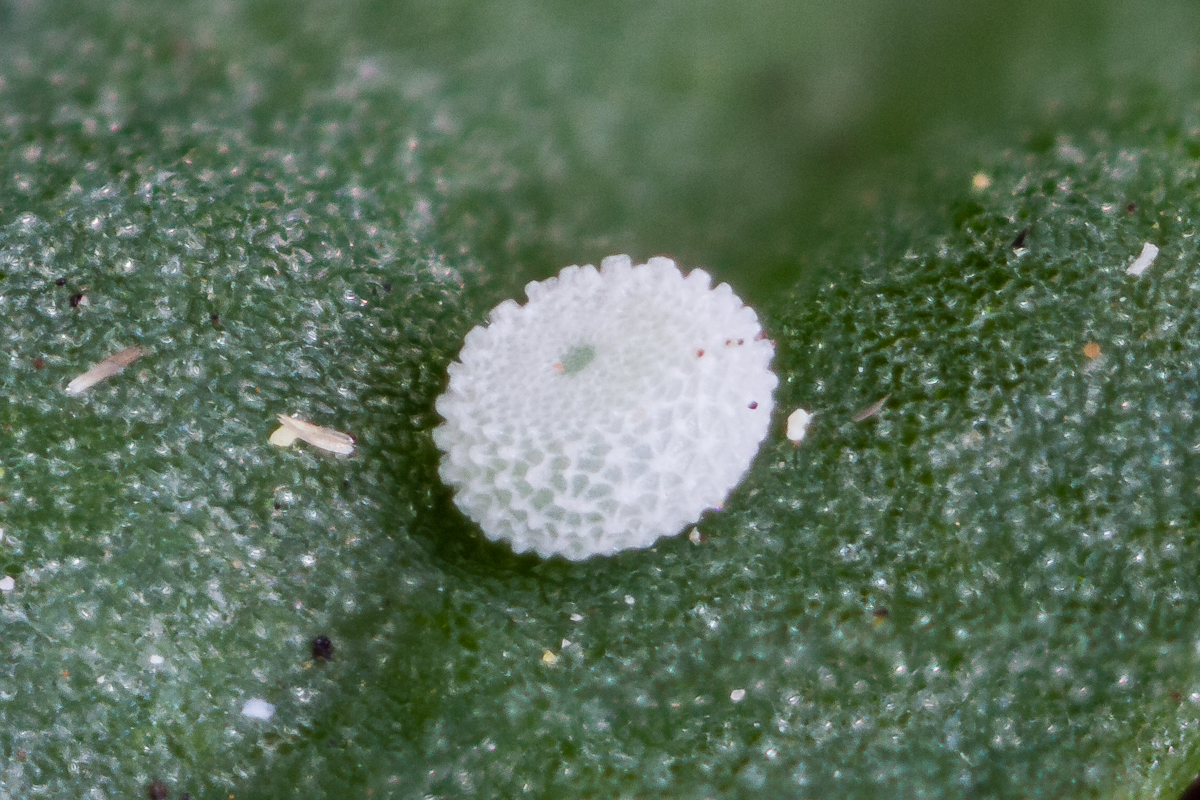
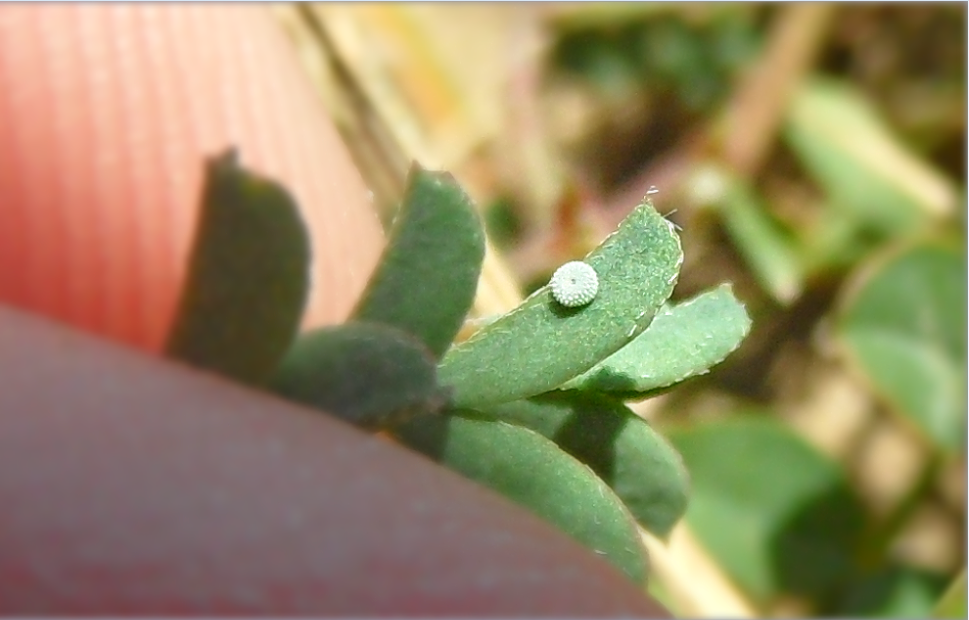
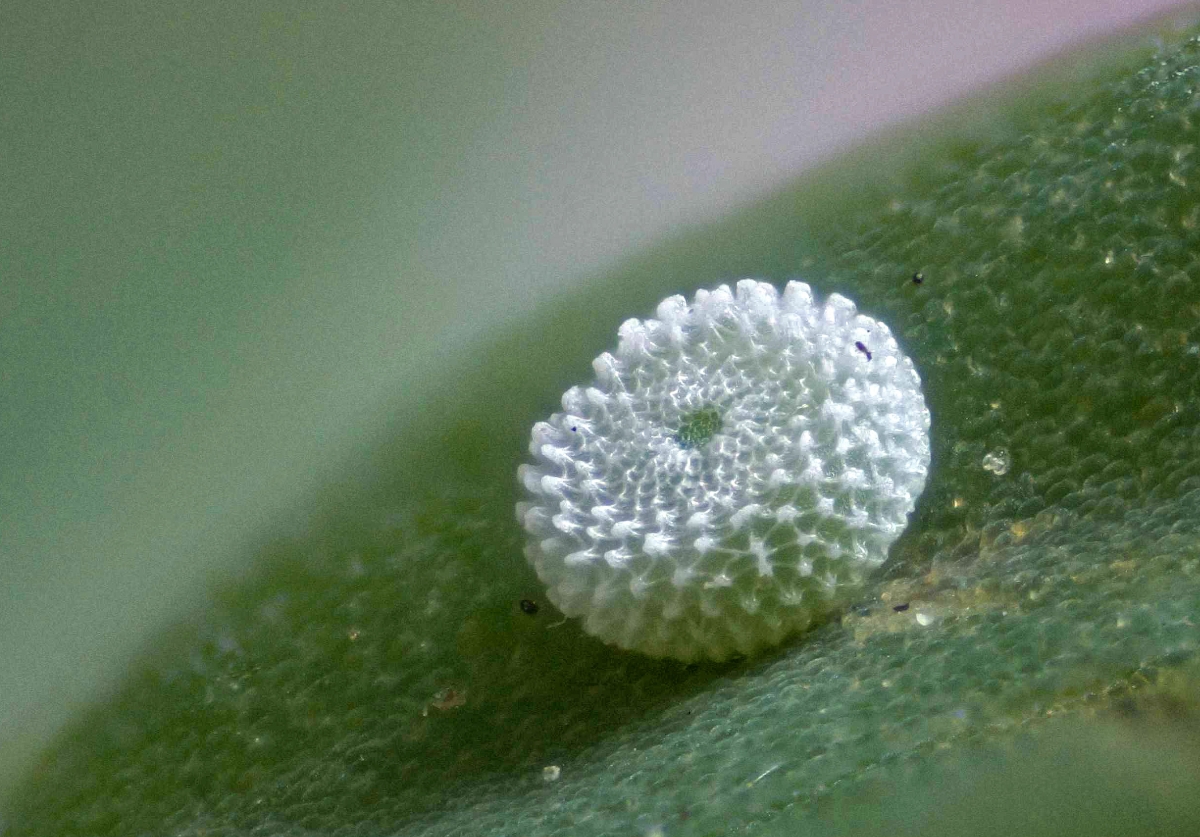
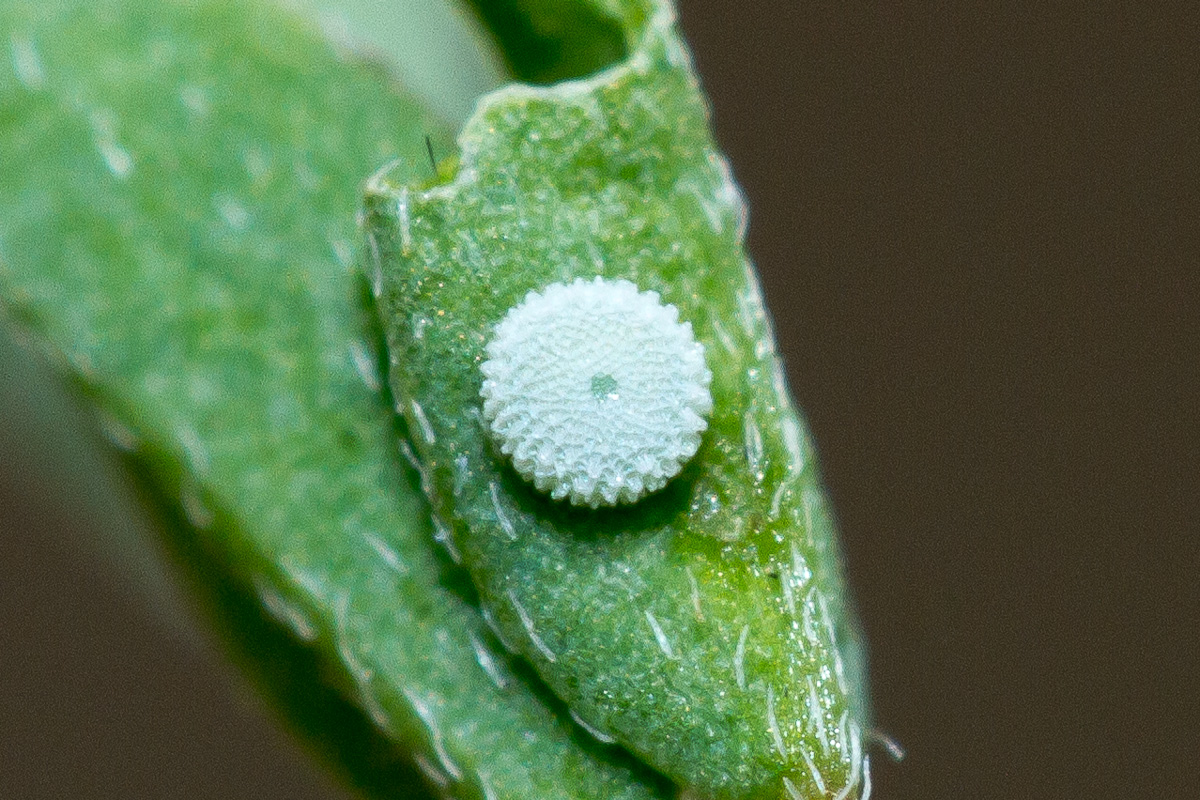
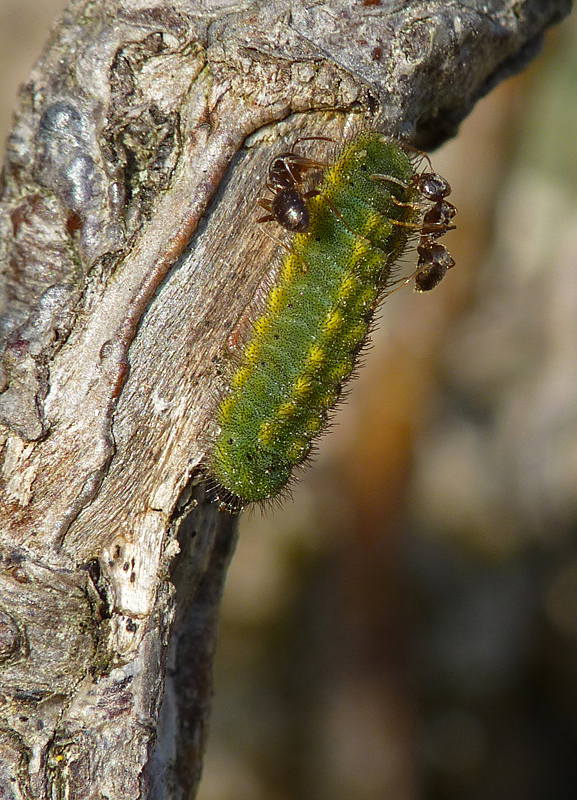
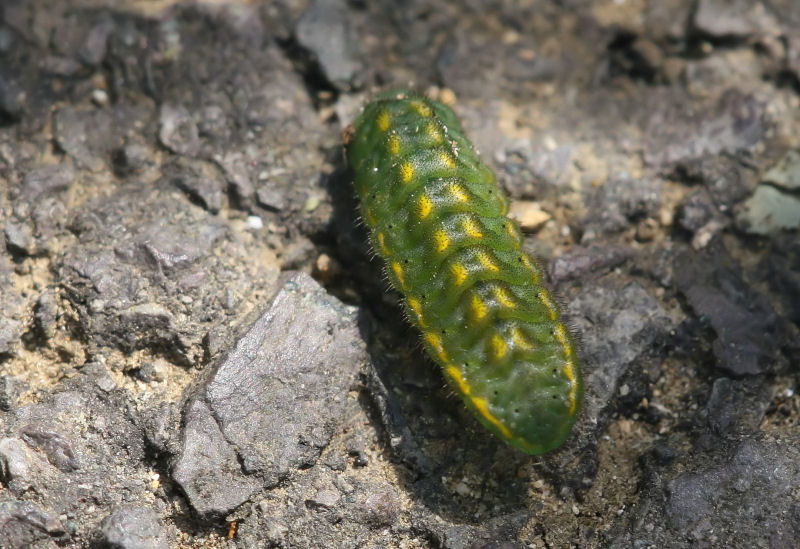
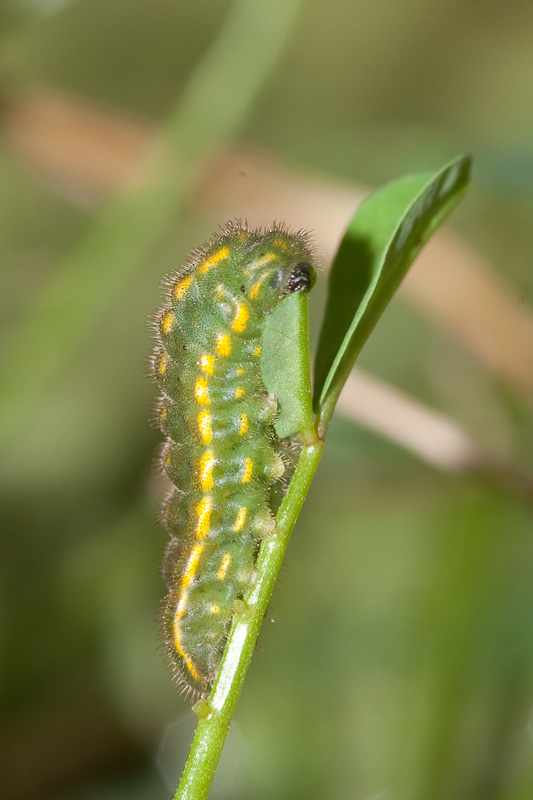
The larvae are green with yellow stripes running along the length of the body. Unlike its close relative, the Chalkhill Blue, the larva of the Adonis Blue feeds by day. The larva has a Newcomer's gland in the 7th segment which provides secretions that are attractive to ants. This is a symbiotic relationship for, like many other blues, the Adonis Blue larva (and pupa) is afforded protection by the ants from parasites and other predators.
Early instars feed by grazing on one side of the leaf, leaving the epidermis of the other side intact. When not feeding, the larva rests at the base of the foodplant, often on bare soil. Ants are known to bury the larva in a cell in the earth, where the ants continue to "milk" it for secretions. If not overwintering, this stage lasts around a month.
The primary larval foodplant is Horseshoe Vetch (Hippocrepis comosa).

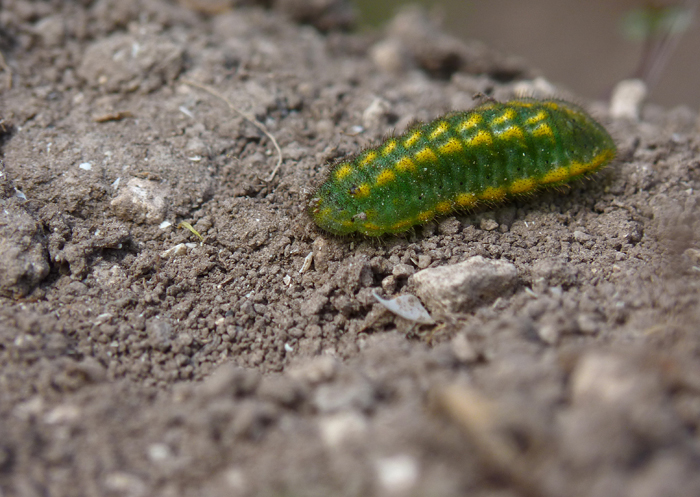

"Directly after emergence the larva measures 1 mm. long, of the usual Lycaena form. It is almost exactly like L. icarus, excepting that the hairs, especially the dorsal ones, are shorter and stouter, and the large spiracles are of remarkable formation, each being a raised cellular disc, the cells forming a floral design, with a central puncture; the cells are six ovate depressions resembling petals, of a smoky grey colour. The ground colour of the body is pale ochreous-yellow, but in high light appears whitish; the surface is finely granular and covered with tiny black points. Those which hatched October 16th and 17th, 1905, were placed on a plant of vetch (H. comosa) and kept indoors by a north window with early morning sunshine; they soon started feeding, but after feeding for a few days they fixed themselves for hibernation about the end of October. They attached themselves to little layers of silk spun upon the under side of the leaflets; some spun up on the stems. They remained motionless until March 15th, 1906, when one had crawled up a young shoot of vetch, and it fed on the upper cuticle of one of the leaves. The next day it was figured, when it only measured 1.6 mm. long. It was then of a pale purplish-brown with ochreous longitudinal lines, one on each side of the dorsal furrow, two along the side, and one along the lateral ridge; the first sub-dorsal one is composed of oblique stripes. On December 8th, 1910, the writer examined the plants containing the young larvae which hatched the middle of October. A large number were found in their first stage resting on both the upper and under surface of the leaflets, each on a little layer of silk; all were in hibernation, and all remained motionless until March 22nd, 1911, when some were slightly active; these were placed on separate sprigs of H. comosa, which they soon settled down on and selected the under side of the leaflets, and in a few days' time they fed on the cuticle, making small perforations in the leaflets. Owing to the continuous dull chilly weather during the last week of March, 1911, and cold wintry weather with blizzards and snow-storms the first week of April, the larvae fed and grew slowly. Two fixed for their first moult on April 9th, and moulted on the 14th, remaining just six months in the first stage; another moulted the first time on April 22nd, 1911, which is the individual hereafter described throughout. (Some of those which hatched during the middle of October, 1905, were kept, since hatching, on little sprigs of H. comosa stuck in a small bottle of water stood in a saucer and protected by a small glass cylinder, with open top, and placed in a cold greenhouse. The whole time from October 17th to middle of March, 1906, the vetch kept alive, and had fresh green shoots growing in March. One fixed up for moulting, the first time, on the under side of one of the leaflets on April 10th, 1906; although warm weather prevailed, it did not moult until April 15th, remaining 180 days in its first stage. Its cast skin is not eaten)." - Frohawk (1924)

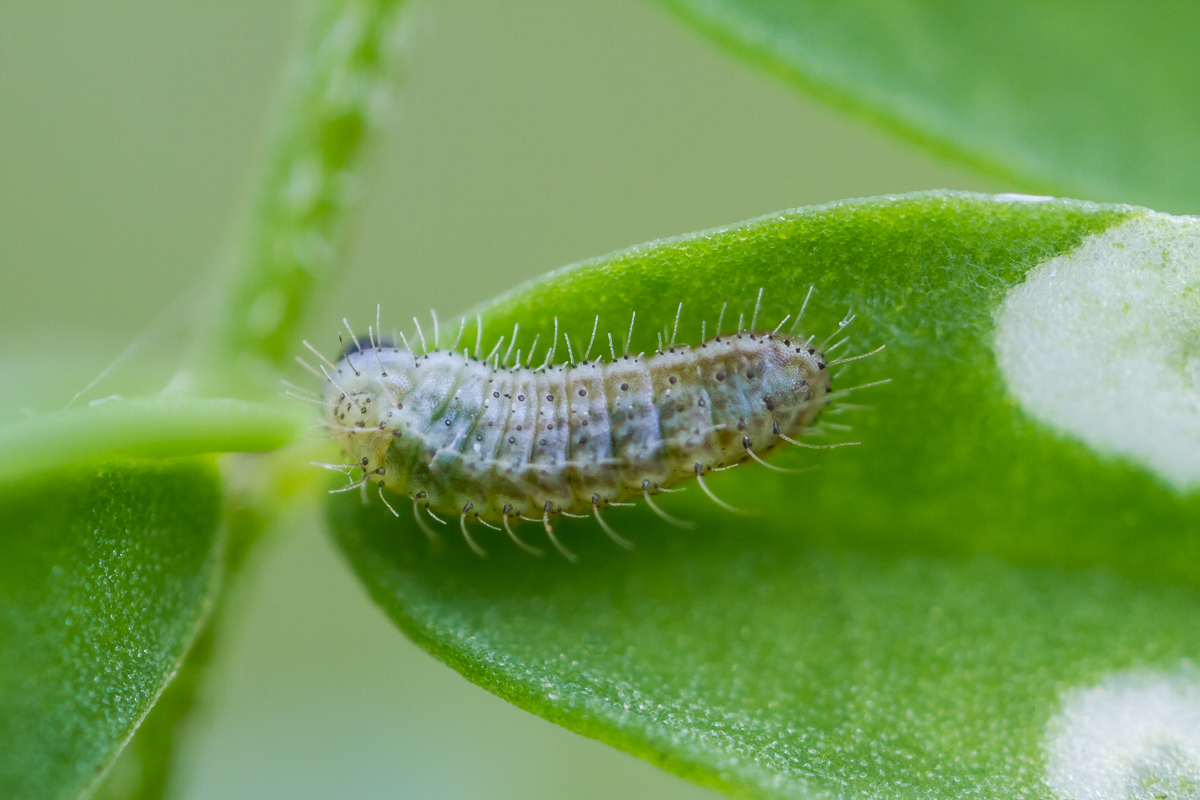
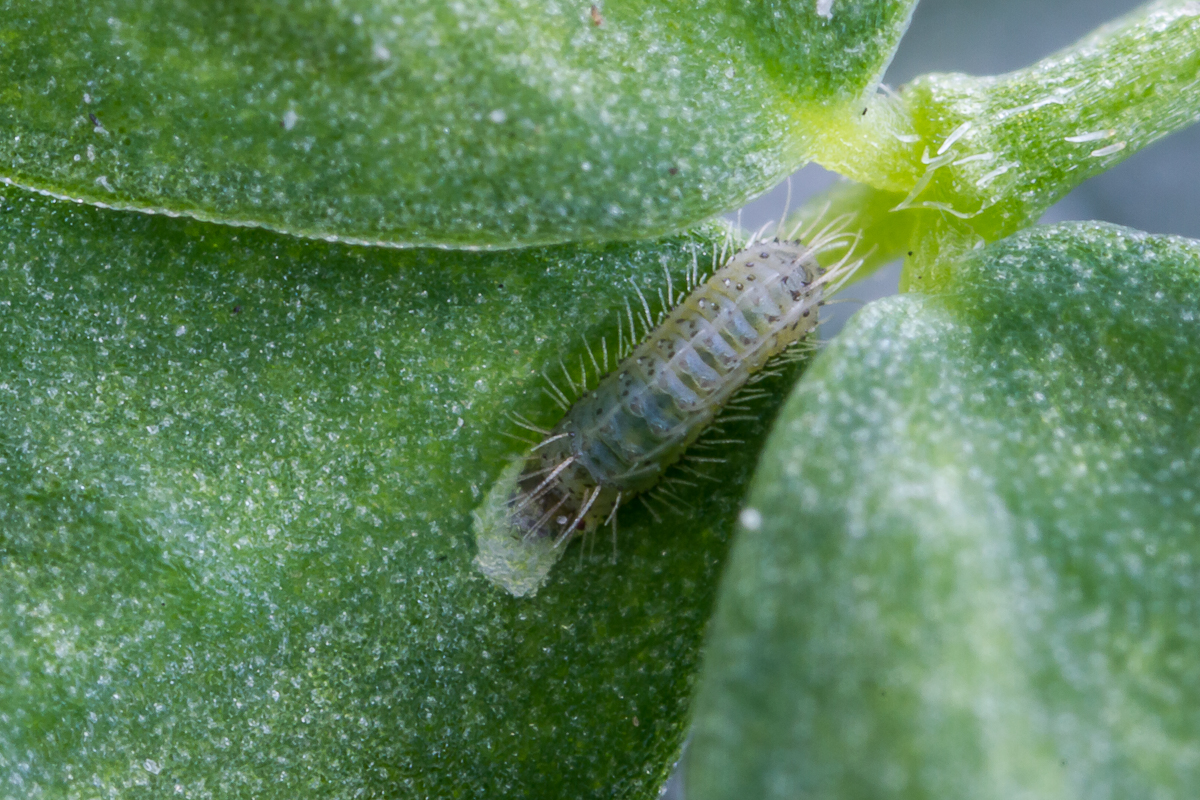
"After the first moult it is 2.5 mm. long. In colour and structure it resembles the previous stage, excepting the hairs and lenticles are more numerous and the spiracles are simple and shining black, but inconspicuous. Shortly before the second moult, the ground colour is pale olive, with double dorsal and lateral cream-coloured stripes. It still feeds on the cuticle of the leaflet and rests on the under surface of a leaflet or on the stem." - Frohawk (1924)
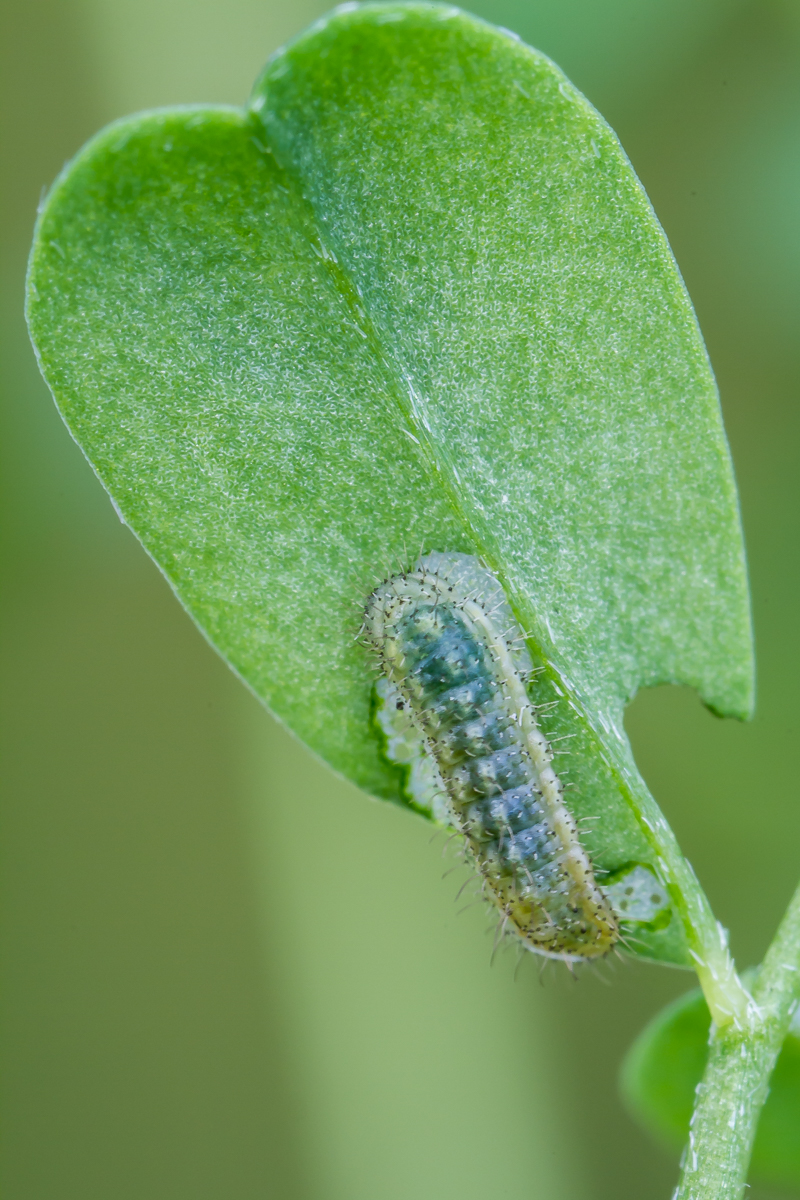
"The second moult on May 10th, 1911; five days after it measures 4.8 mm. long. The ground colour is olive-green with double longitudinal pale yellow stripes, one running along the side of the dorsal furrow; it commences on the second segment and runs over the ninth segment; over the last three segments it forms merely a pale greenish stripe; another yellow stripe surrounds the larva along the dilated lateral ridge. It is now densely sprinkled with greyish serrated hairs; these are longest and form a fringe along the dorsal and lateral stripes; those on the sloping sides of the larva are shorter and whiter. All have shining pedestal-shaped bases. Numerous minute black tubular lenticles are scattered over the surface, and the spiracles are also black. On the tenth segment a dorsal transverse honey-gland is visible as well as a pair of retractile tubercles, one on each side below the spiracle. The head is completely hidden under the rounded projecting anterior segment." - Frohawk (1924)
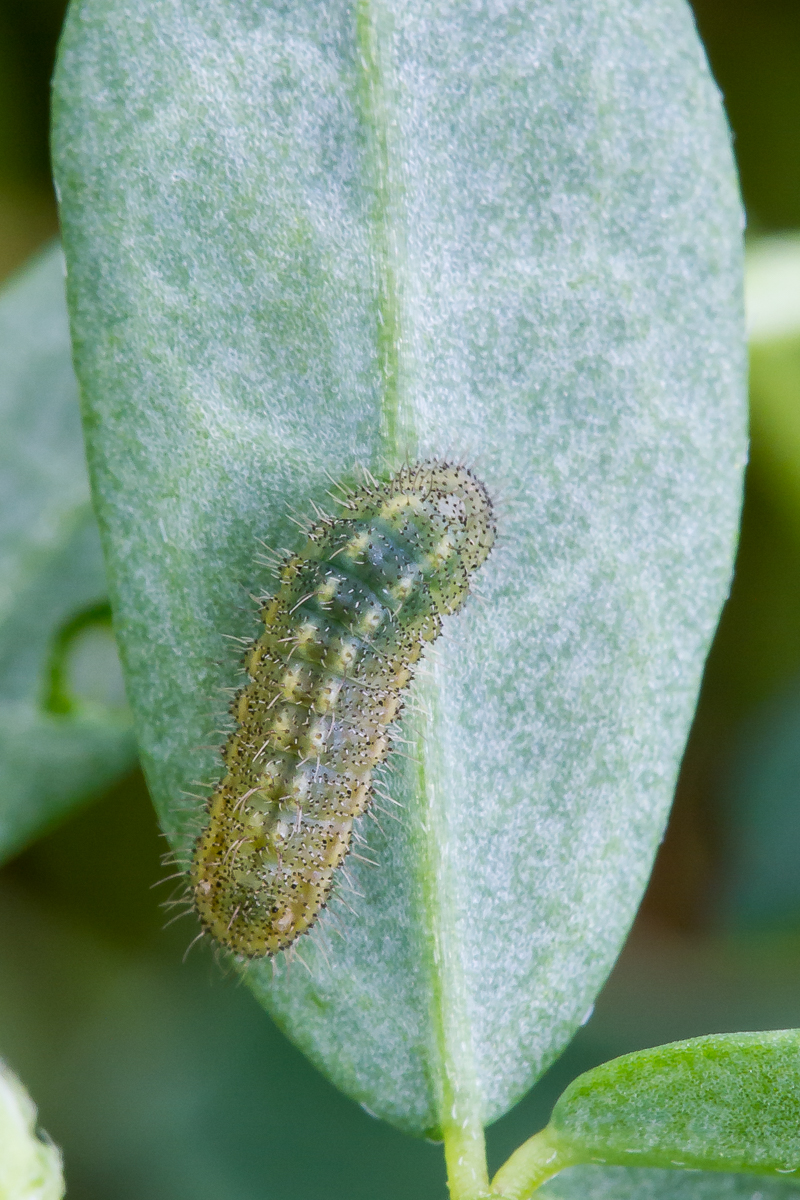
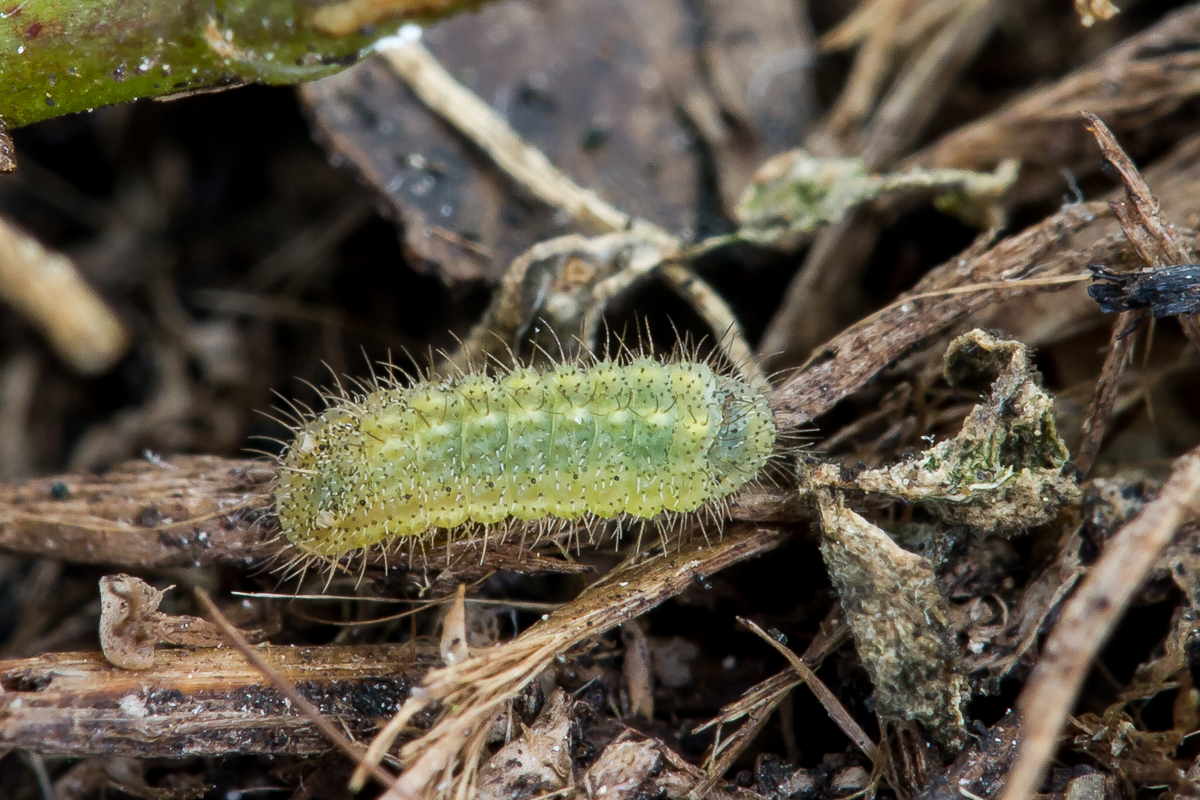
"The third moult took place on May 19th, 1911. After the third moult it is 6.3 mm. long. It is very similar to the last stage, but the ground colour is greener and the stripes are richer yellow; the dorsal hairs are brownish at the tips blending into whitish at the base." - Frohawk (1924)
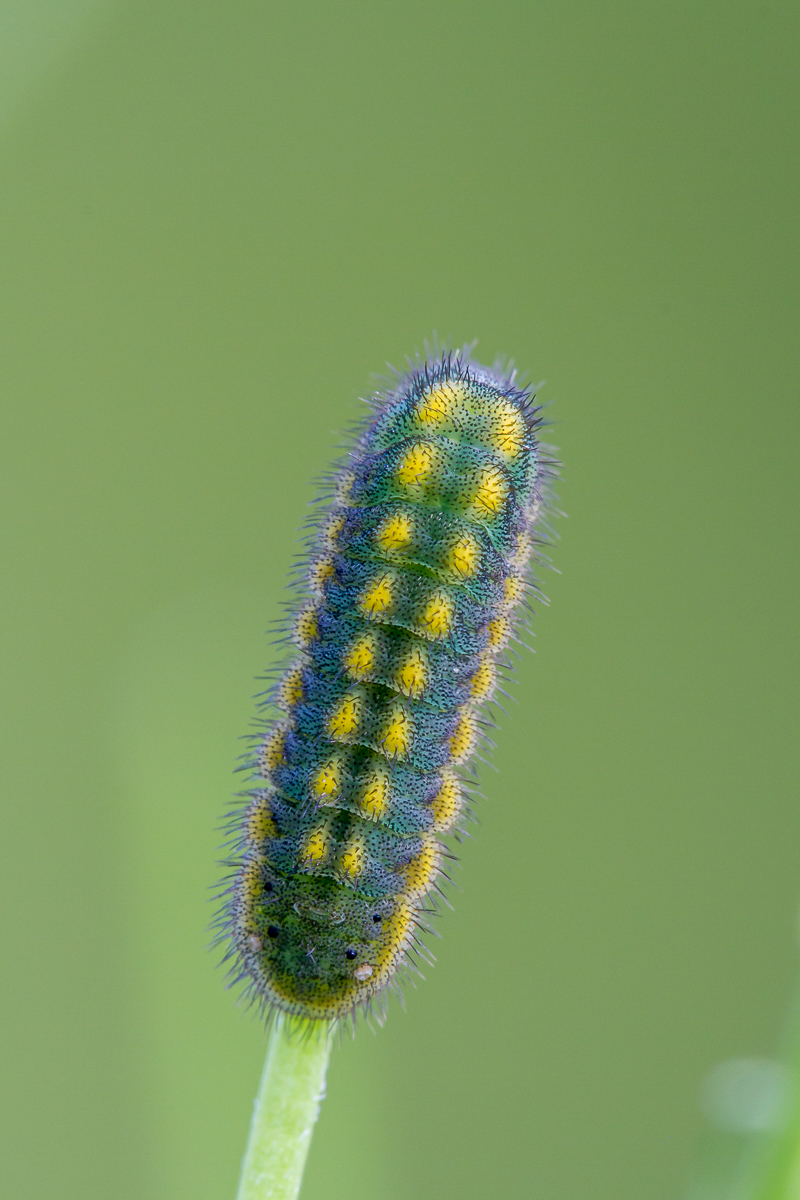
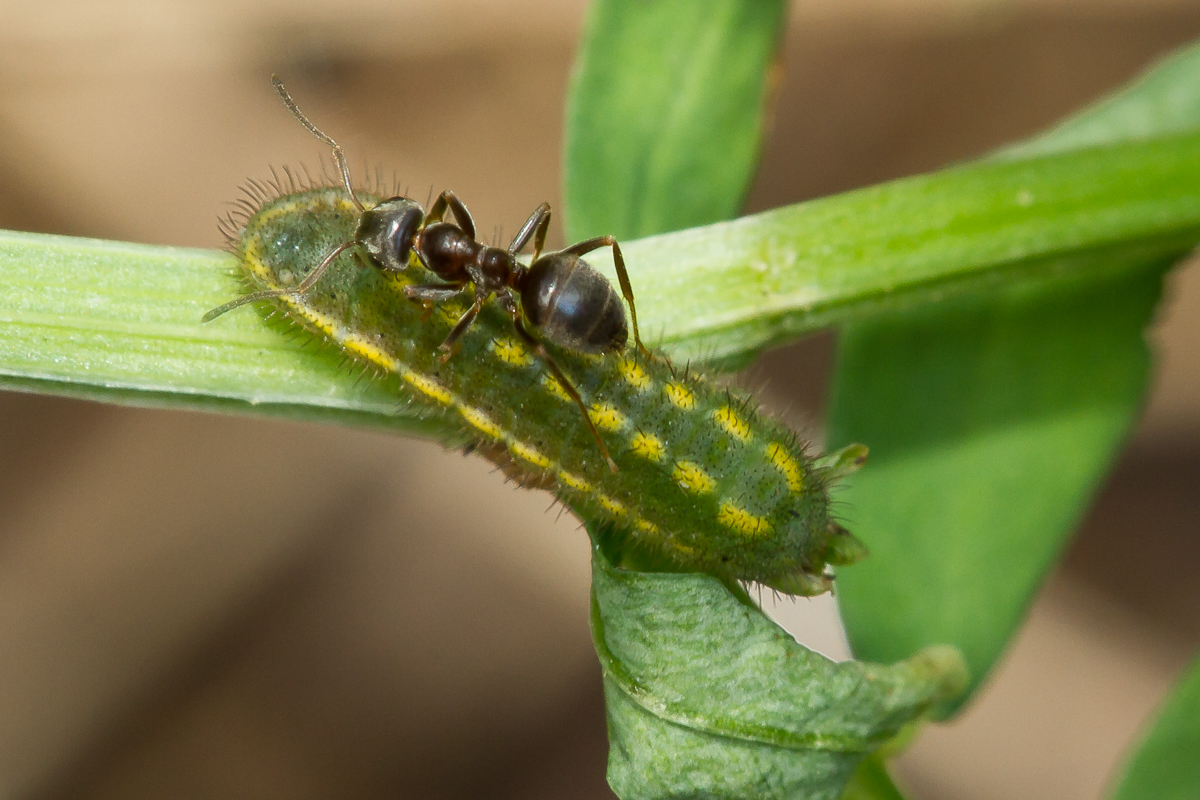
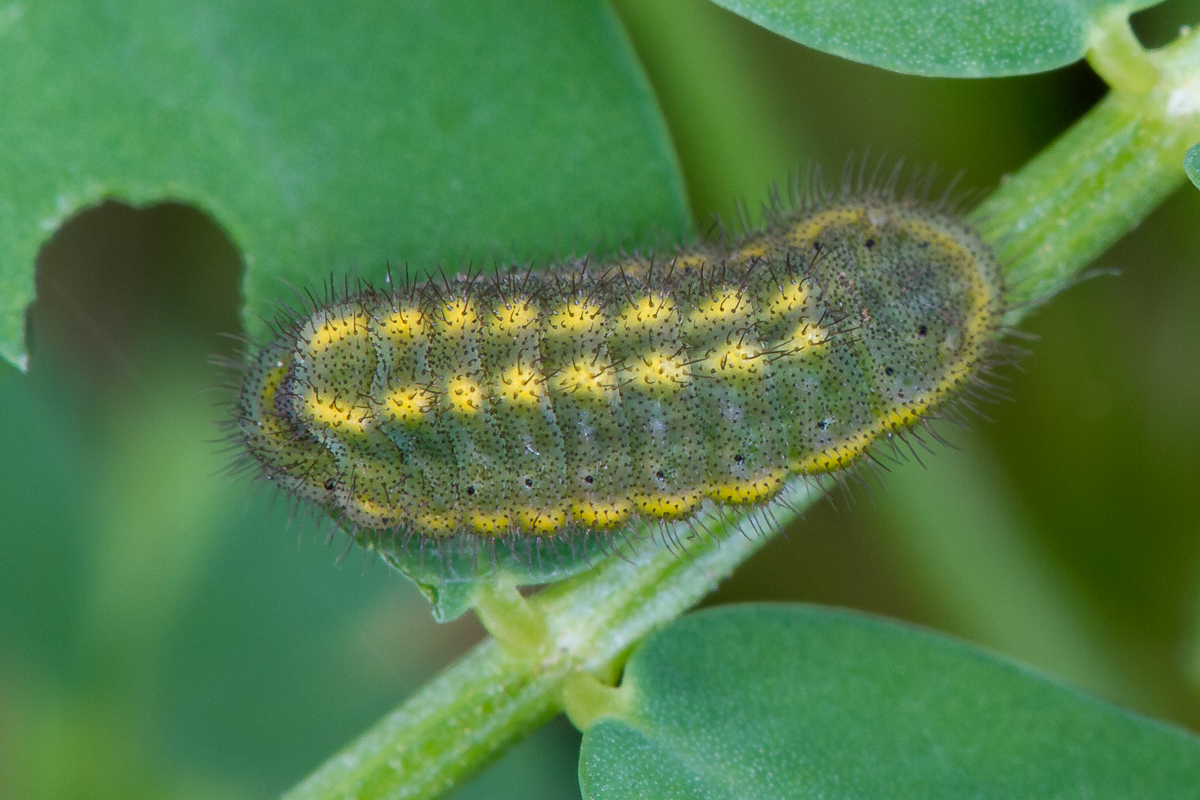
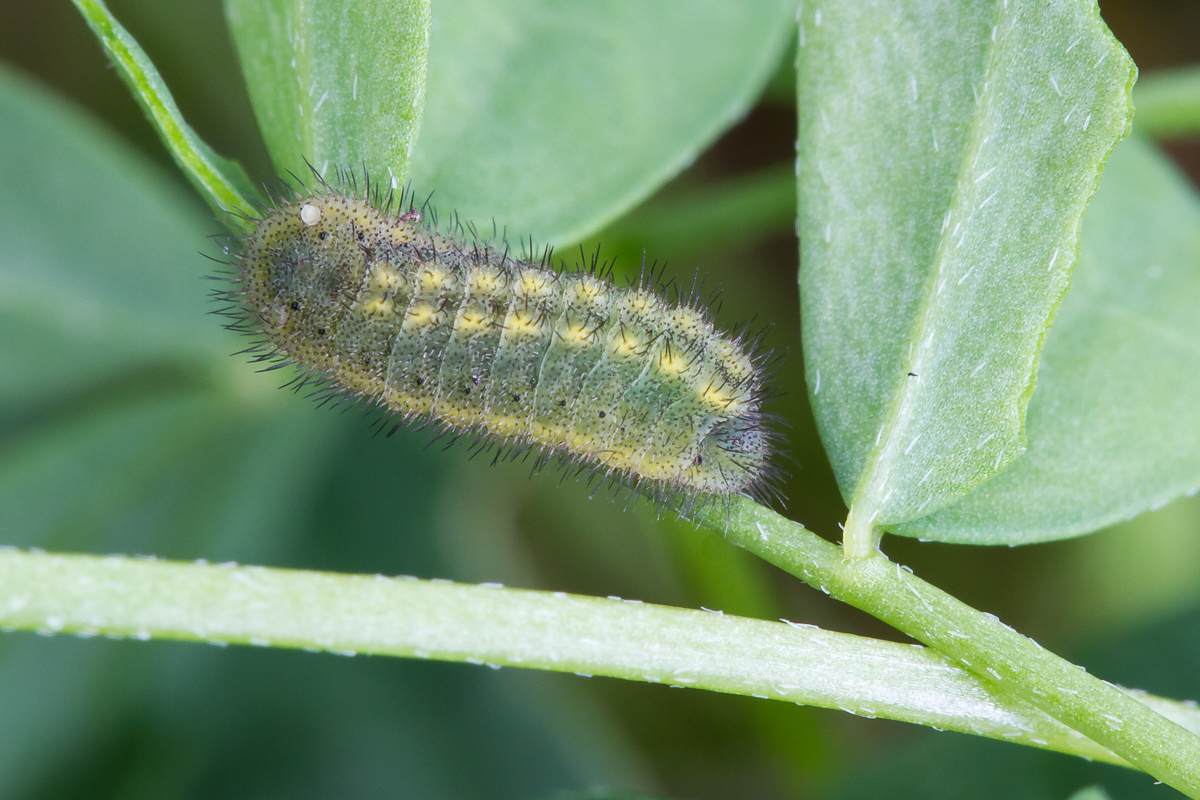

"The fourth moult occurred on May 29th, early morning. After the fourth and last moult, fully grown, it measures while crawling 15.9 mm. in length. It is exactly similar in shape to L. coridon and so closely resembles it in structure and pattern of colouration that one species might be readily mistaken for the other. The chief difference is the dark green ground colour of bellargus, and the dorsal hairs have the apical half pale purplish-brown, instead of rust-brown as in coridon, and the lower half, including the base, is pale flesh-colour in bellargus. Also the crescentic yellow markings above the claspers are narrower and form more perfect lunules in bellargus. The first and last segments are compressed dorsally, the former completely overlapping the head, which is shining polished black and only protruded while feeding and crawling. The second to ninth segments are humped dorsally with a central longitudinal furrow, the sides sloping and a dilated lateral ridge. On the first segment is a pale greenish dorsal lozenge-shaped disc, studded with spines, which are clustered together in the outer corners, forming black spots, similar to those of coridon. On the tenth segment is a dorsal transverse honey-gland, and a retractile tubercle on each side of the eleventh segment behind the spiracle. Just below each dorsal hump, from the second to ninth segments inclusive, is an elongated oval gamboge-yellow mark on each segment; these form a longitudinal chain-like stripe; another similar stripe runs along the lateral ridge which commences on each side of the anterior segment and encircles the anal segment; these two conspicuous bright yellow bands stand out in rich contrast on the deep green ground colour. The whole surface is studded with stiff serrated spinous hairs of various lengths, and lenticles are scattered over the surface also. The gland is surrounded with minute club-shaped hairs. The specimen described became fully grown on June 7th, 1911, remaining in the larval state exactly eight months. It roamed about for three days and then crept under a little moss and earth and spun a few silken threads, forming a slight cocoon of the earth, and pupated early on June 16th, 1911." - Frohawk (1924)


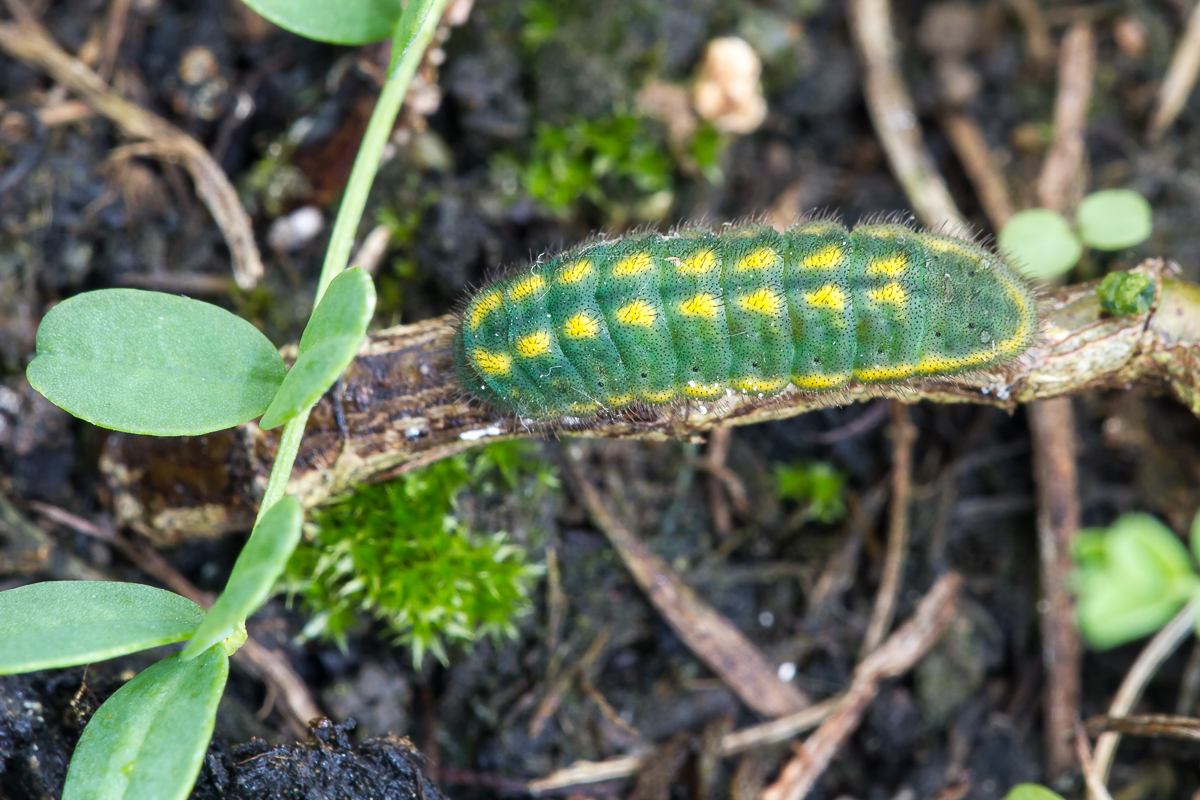
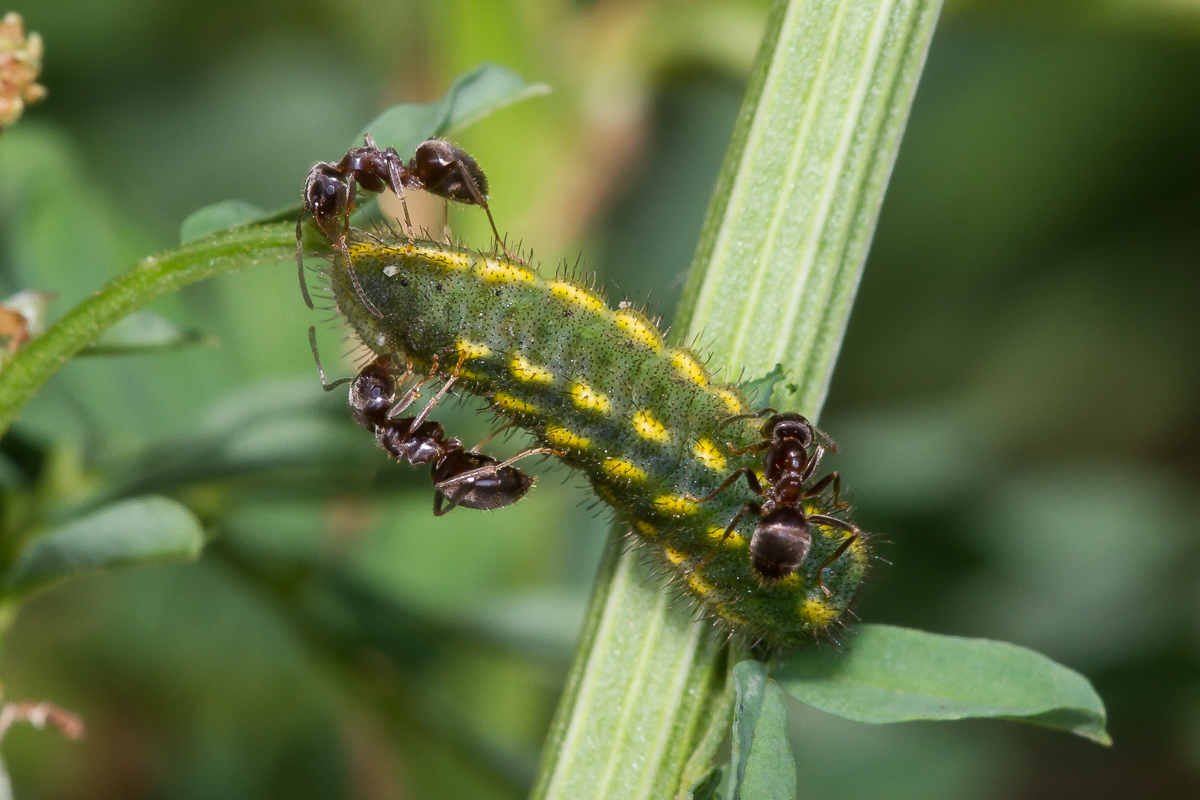
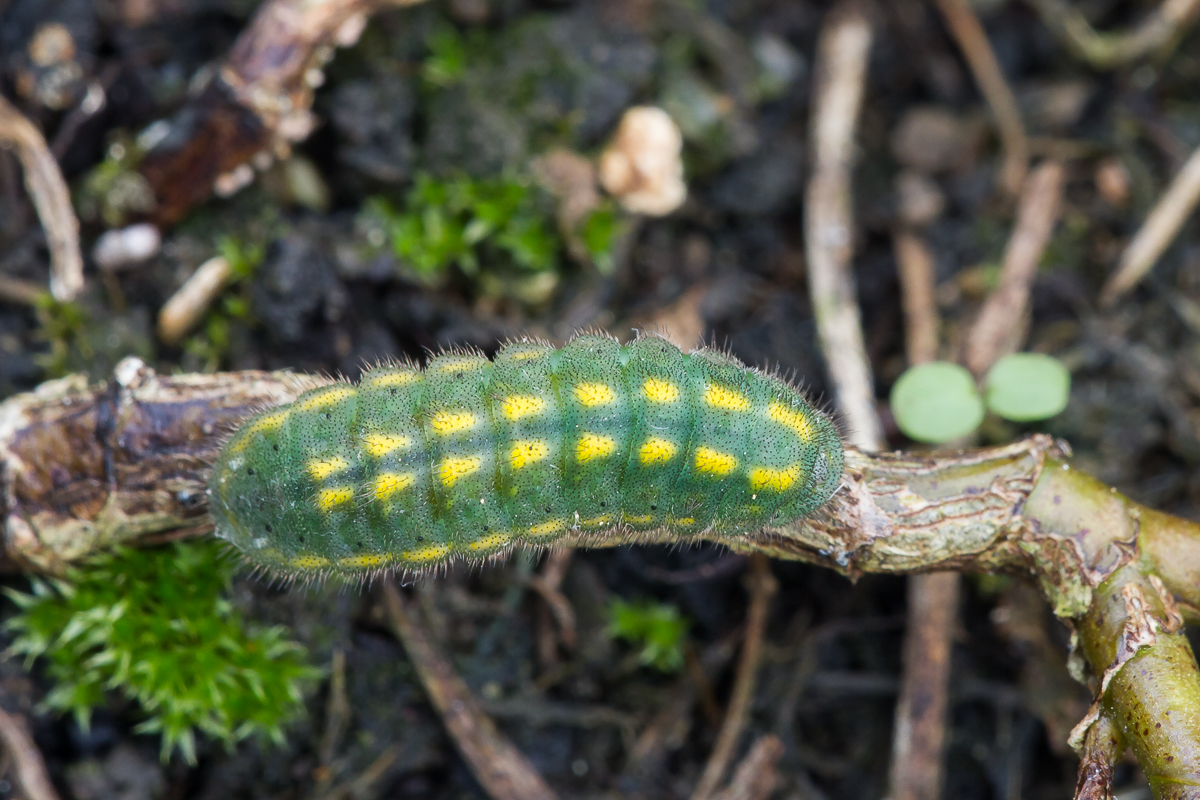
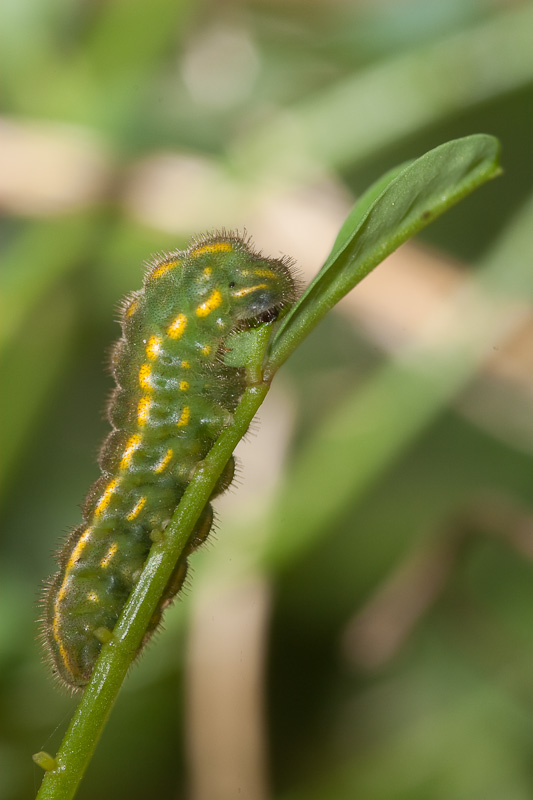
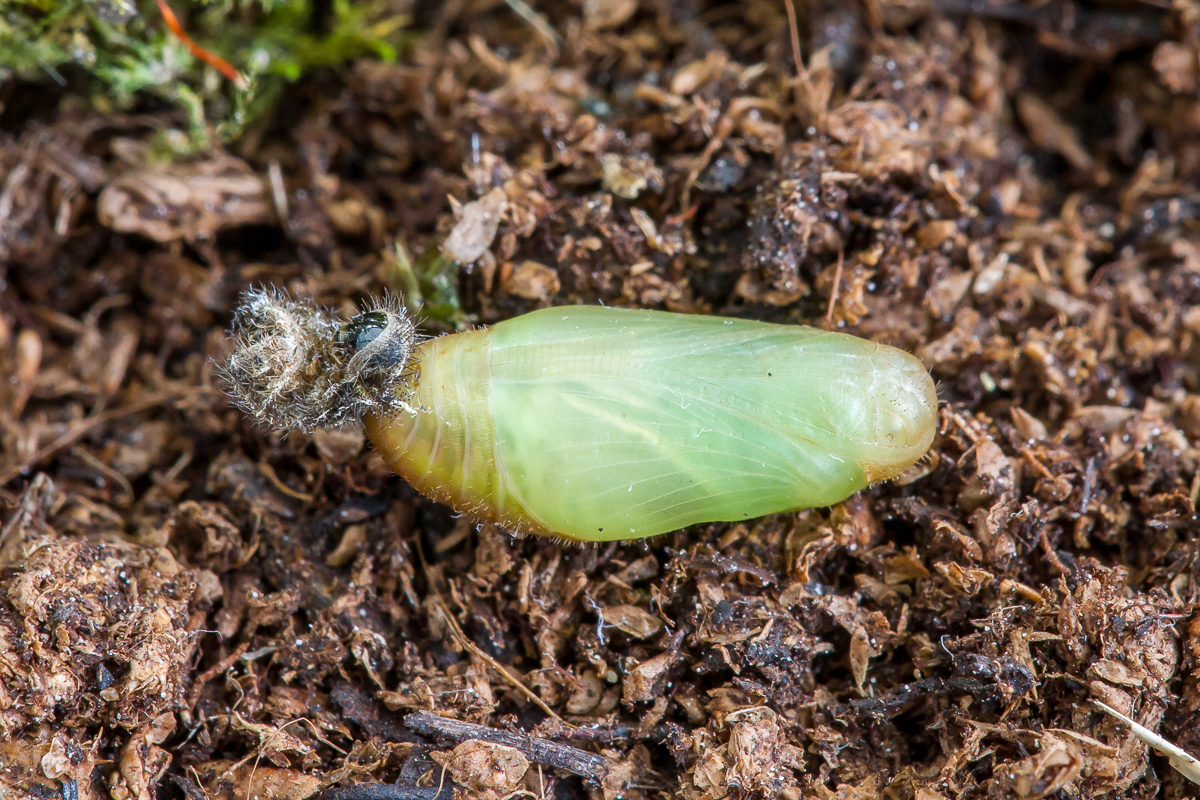
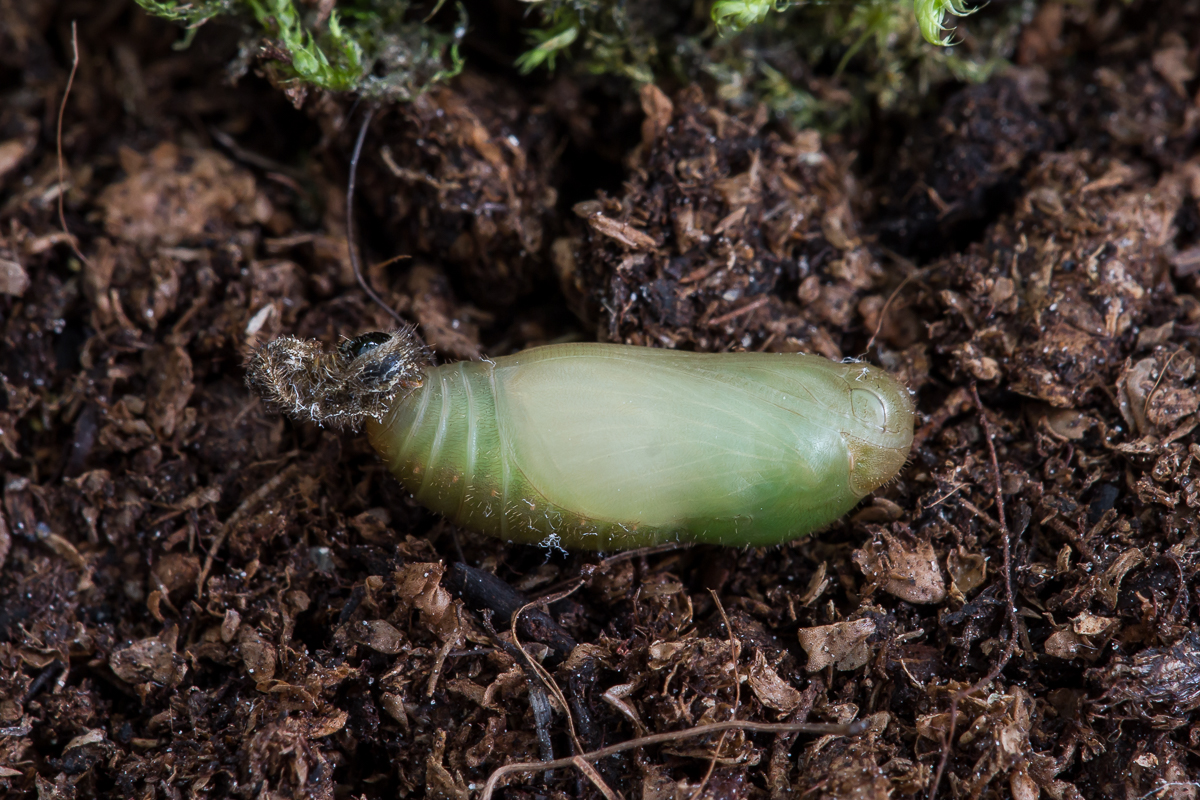
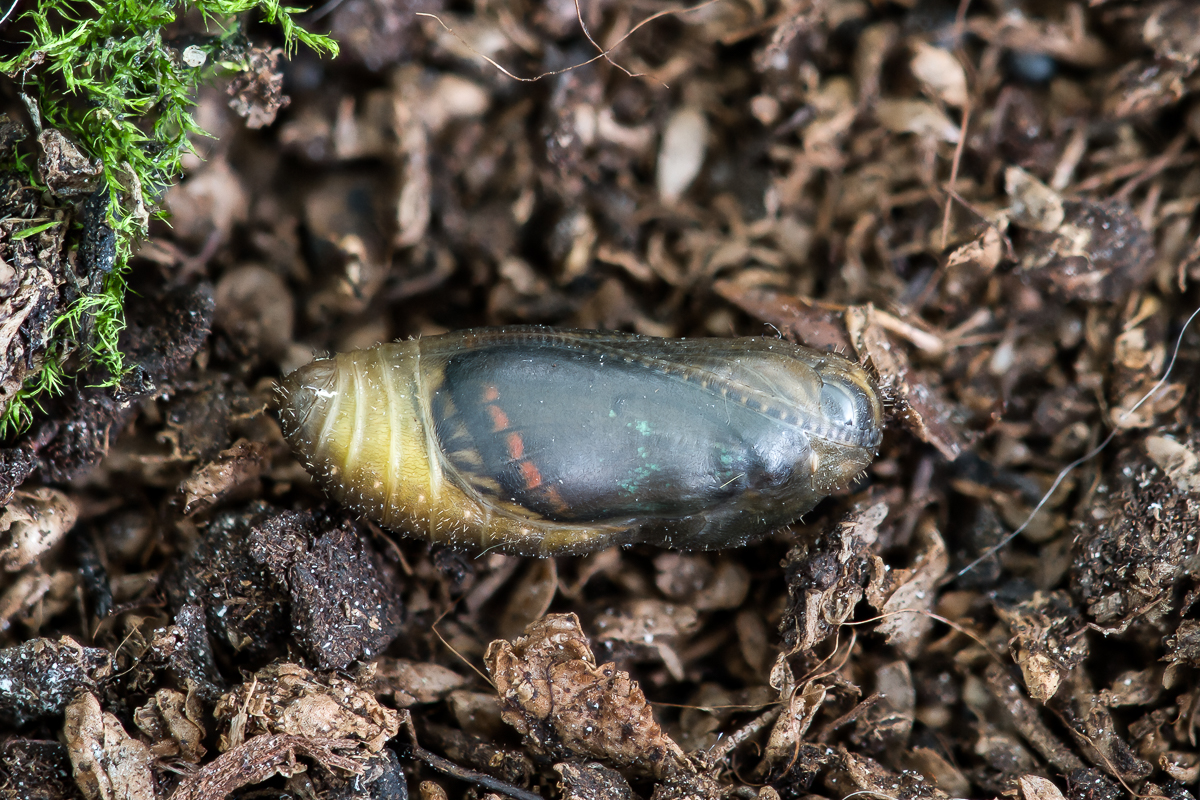
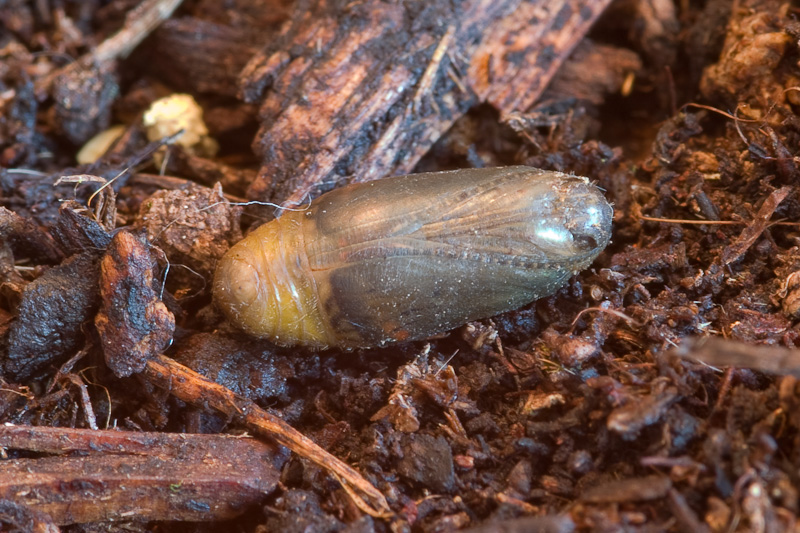
The pupa is formed on the ground, often in a small hollow or crevice. Ants are known to bury the pupa in a chamber in the earth that is connected to the ants' nest, where it is constantly attended by ants. This stage lasts around 3 weeks.
"The pupa is at first a translucent pale ochreous-green, the internal structure showing through the delicate skin. It measures 11 mm. long. Lateral view: Head rounded, but at the juncture with the pro-thorax it is obtuse; the meso-thorax is elevated, rounded and descends to the sunken meta-thorax; abdomen rather swollen at the middle and curving to the rounded anal segment; wings ample, reaching the fifth abdominal segment and slightly bulging. Dorsal view: Head rounded; base of wings slightly angular, wings rather swollen at second and third abdominal segments; abdomen tapering; anal segment rounded and without any cremastral hooks. Colour: Head and pro-thorax ochreous-buff, wing ochreous blending into ochreous-green at base. Thorax and abdomen ochreous-green, the latter mottled with dull olive and buff, varying in different lights, the colour being subcutaneous. There is a darker medio-dorsal line. The entire surface is covered with very fine amber-brown reticulations, and excepting the wings and limbs it is sprinkled all over with minute whitish roughened hairs. The surface surrounding the spiracles is densely studded with minute lenticles. The spiracles are apricot colour. Such is the description when six days old. On the twelfth day a change of colour commences. The wings then assume an opaque ochreous-cream colour. On the seventeenth day the head, thorax and limbs are changed to a light brown, eyes dusky, and wings deeper ochreous-cream, the abdomen almost unchanged, and finally darkened all over, and the imago, a female, emerged on July 5th, 1911." - Frohawk (1924)
The following links provide additional information on this butterfly.