UK Butterflies
Building a Community of Responsible Butterfly Enthusiasts in Britain & Ireland
Building a Community of Responsible Butterfly Enthusiasts in Britain & Ireland
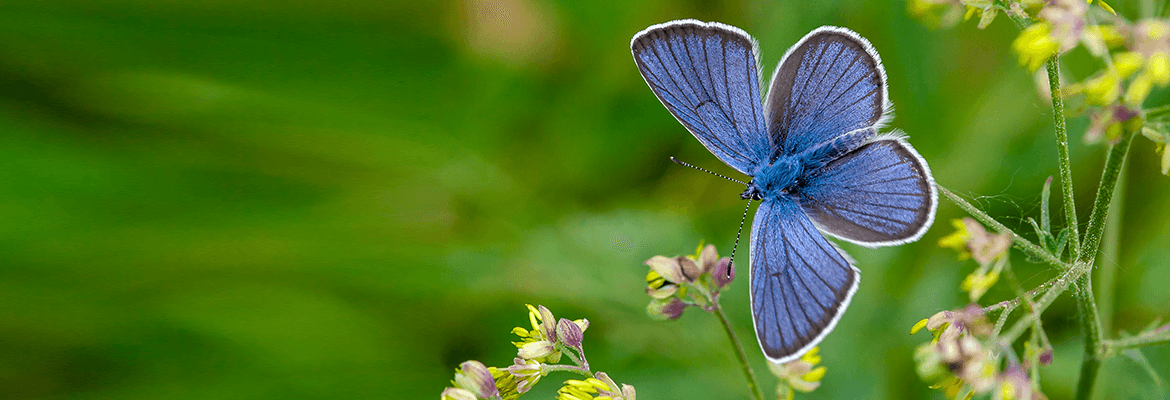
Wingspan
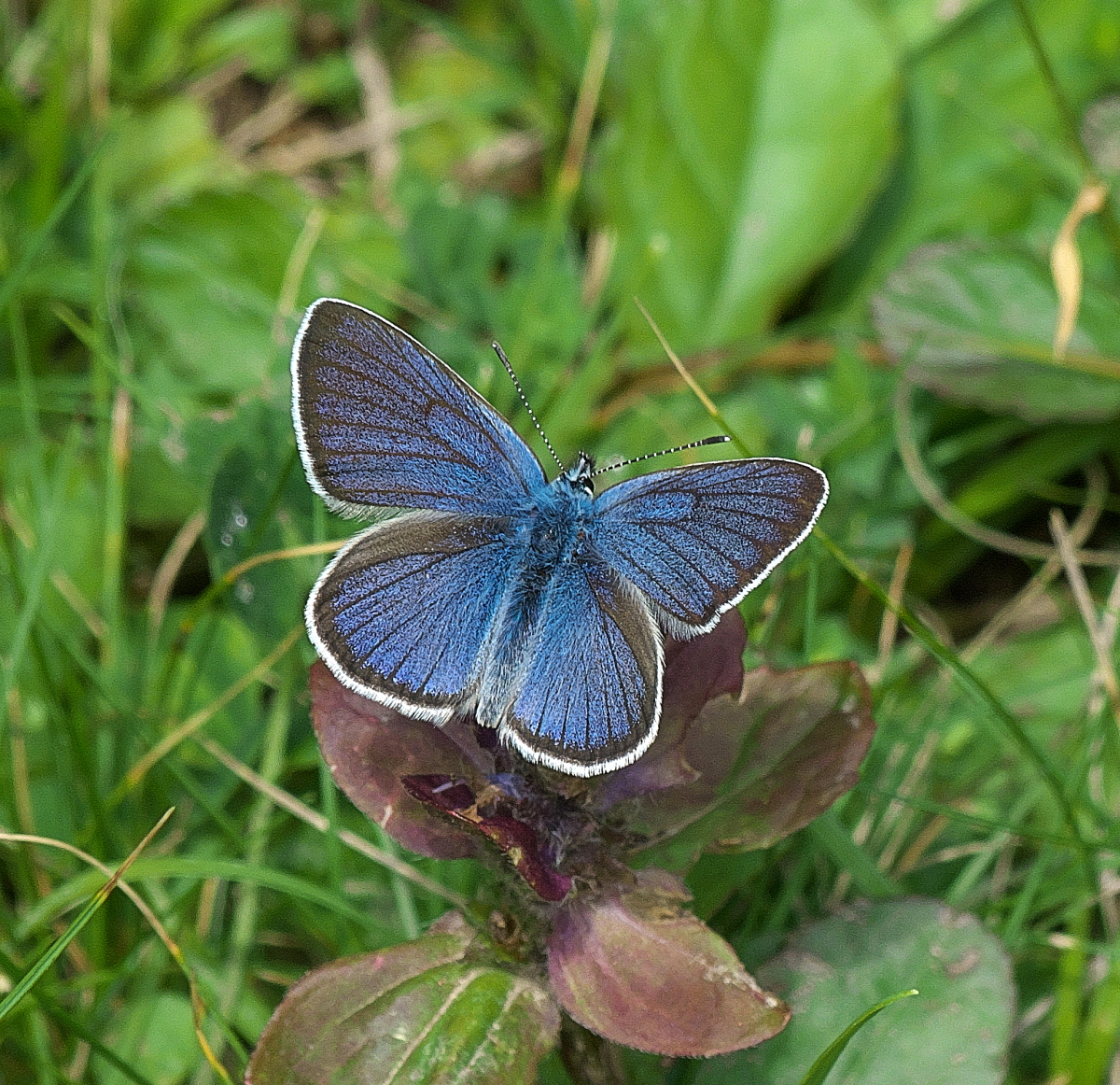
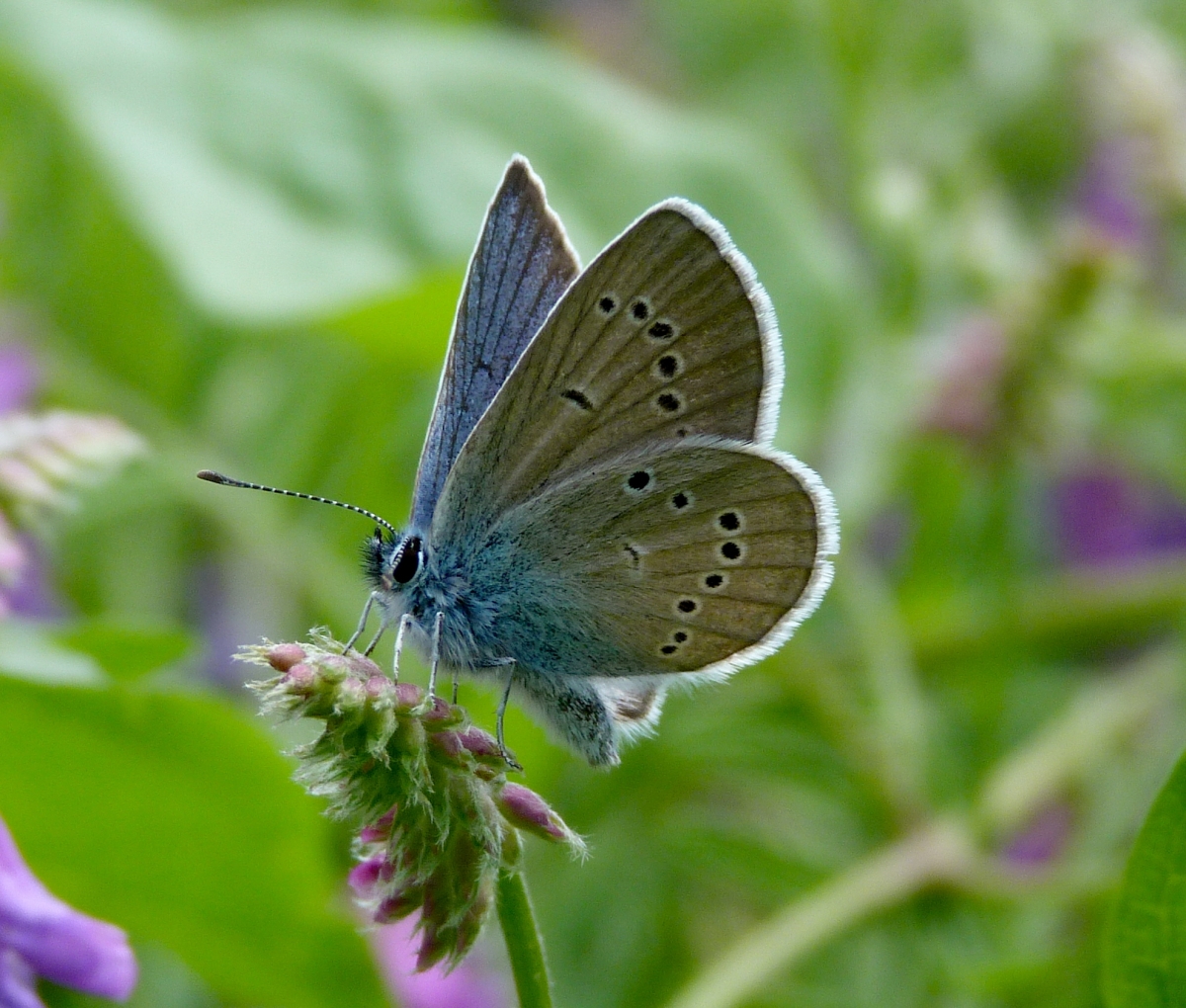
♂ 32 - 36 mm, ♀ 34 - 38 mm
Checklist Number
61.017
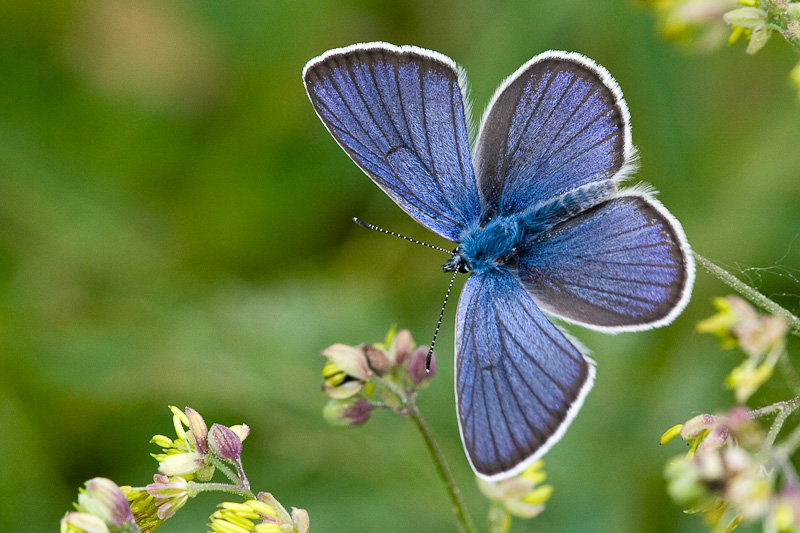
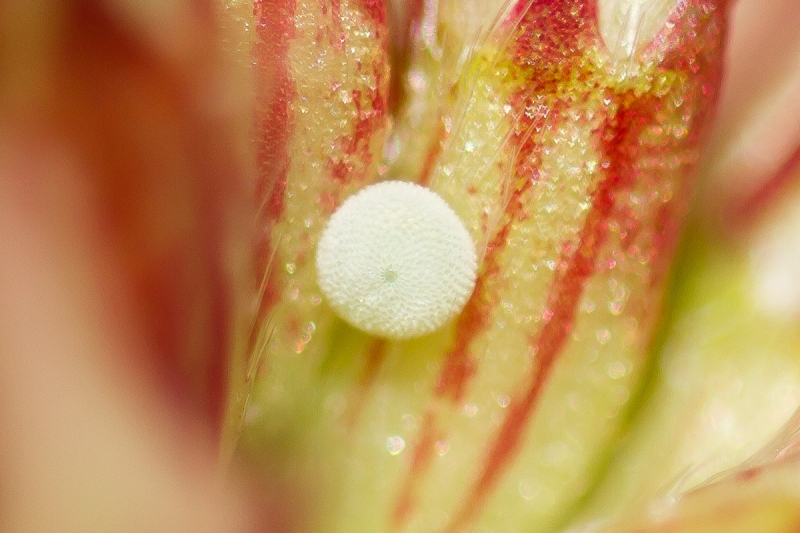
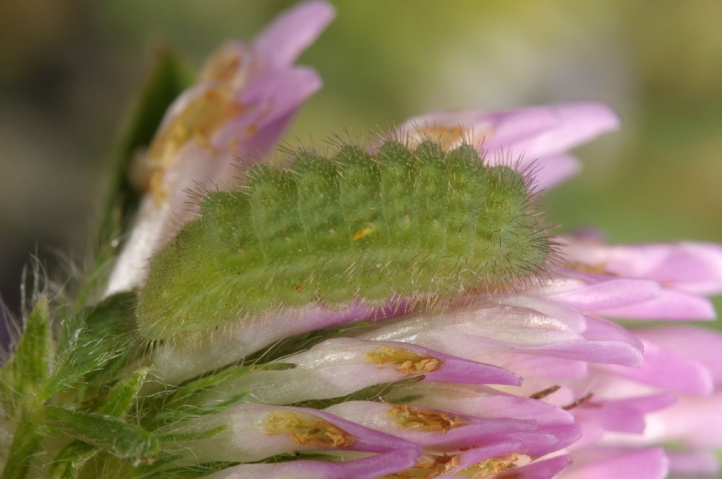
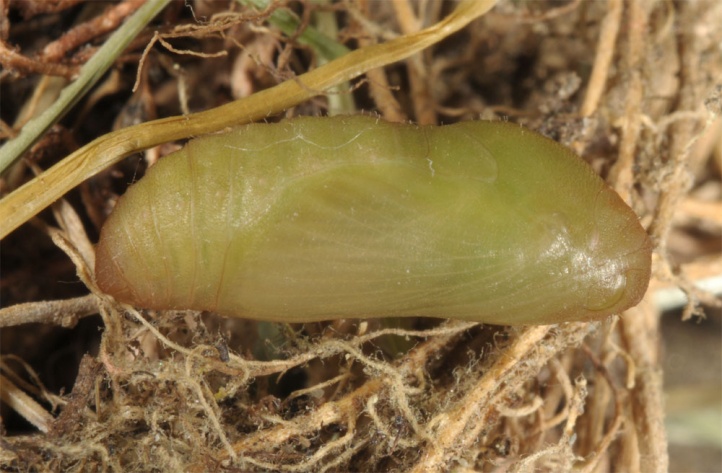
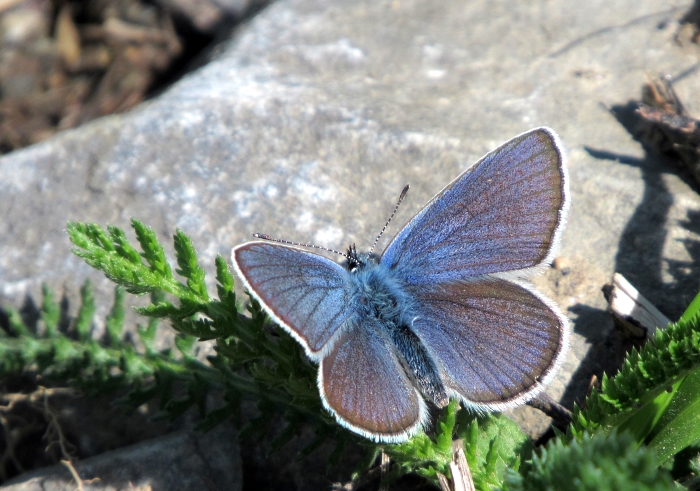
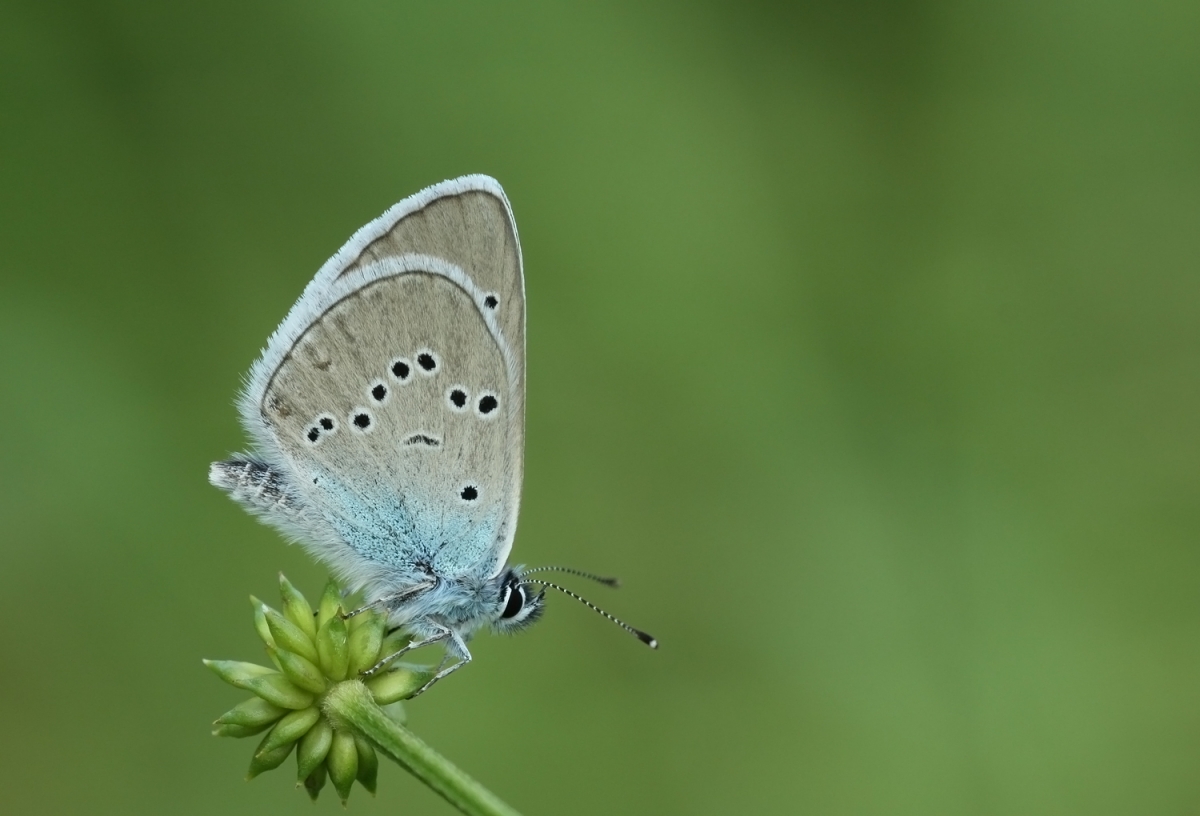
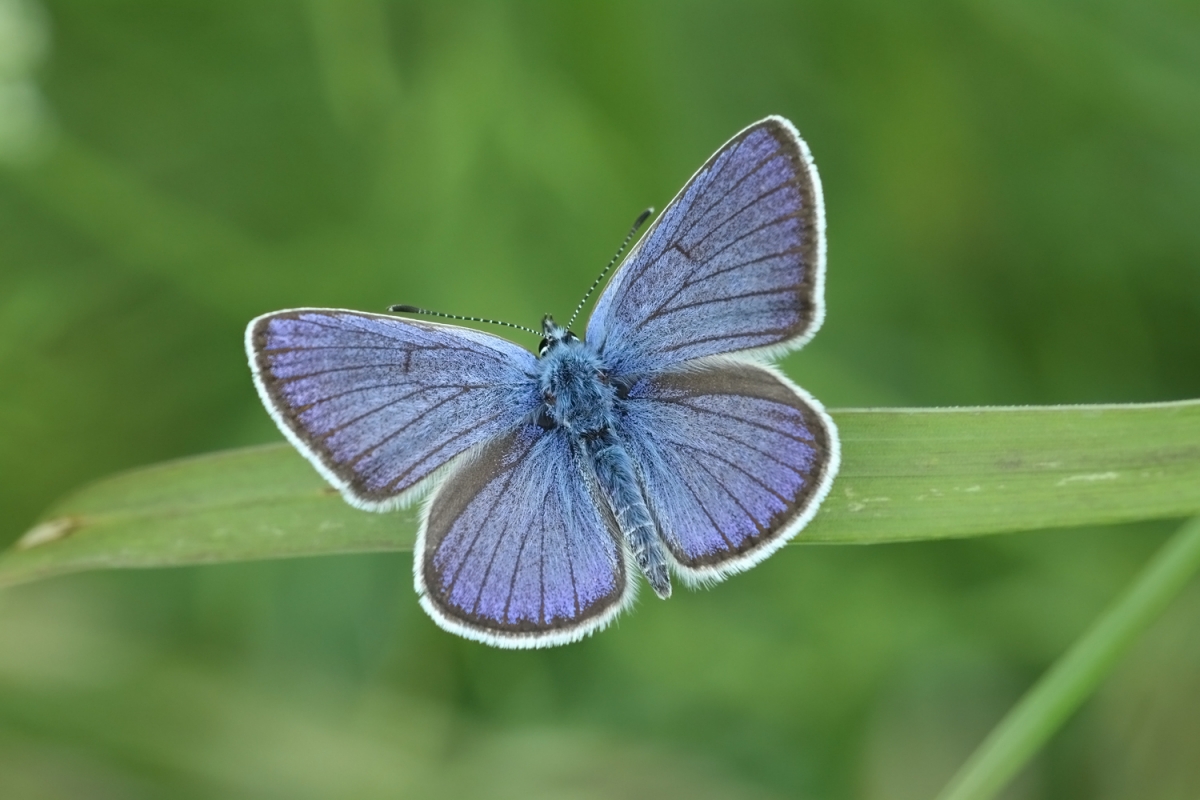
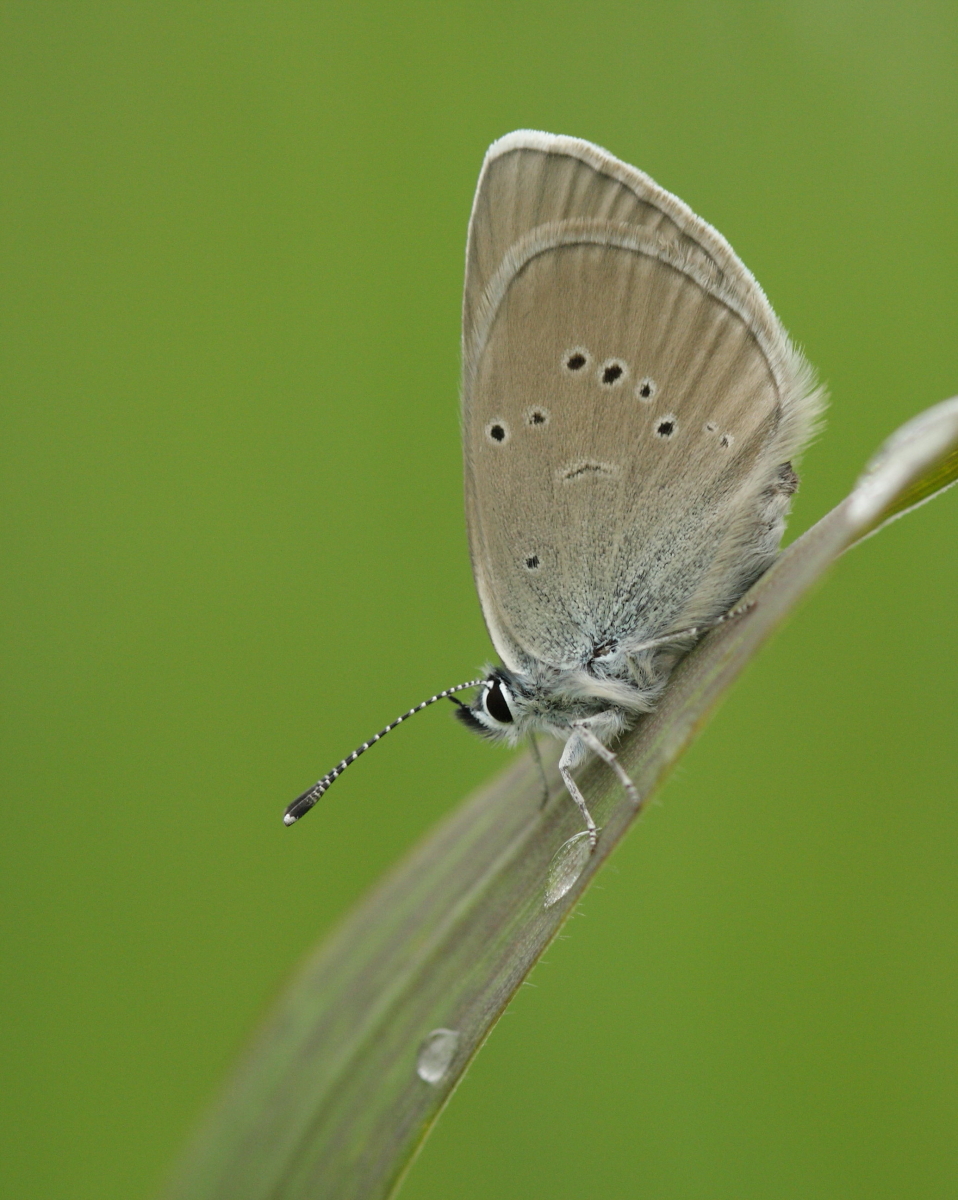
Despite being widespread and fairly common on the continent, this butterfly is extinct in the British Isles. It was found in the southern half of England - although those found on the coast are assumed to be immigrants and those found inland are considered to be either accidental or deliberate introductions.
This species was first mentioned as British in 1710 and there are several hundred sightings recorded up until the late 19th century. Various dates are given for the last sighting, although all are linked with a particular region. The end of the 19th century seems to mark a watershed, after which there are very few records. This species is extinct in the British Isles. One possible cause of the extinction is changes to haymaking which resulted in clovers being inadvertently cut while this species was still in its immature stages.
| Family: | Lycaenidae | Leach, 1815 |
| Subfamily: | Polyommatinae | Swainson, 1827 |
| Tribe: | Polyommatini | Swainson, 1827 |
| Genus: | Cyaniris | Dalman, 1816 |
| Subgenus: | ||
| Species: | semiargus | (Rottemburg, 1775) |
Description to be completed.
This species is extinct in Britain and/or Ireland.
| 1.1 Extinct |
On the continent, this species can be one of the commonest species seen - and one that will turn up in any flowery meadow in southern and eastern Europe. It can also be found at both low and high altitude - up to 2000m. In all locations, it is considered to have one brood each year.
No conservation action is relevant for this species.
There was one brood each year in the British Isles, with adults flying from mid-June through to mid-July.

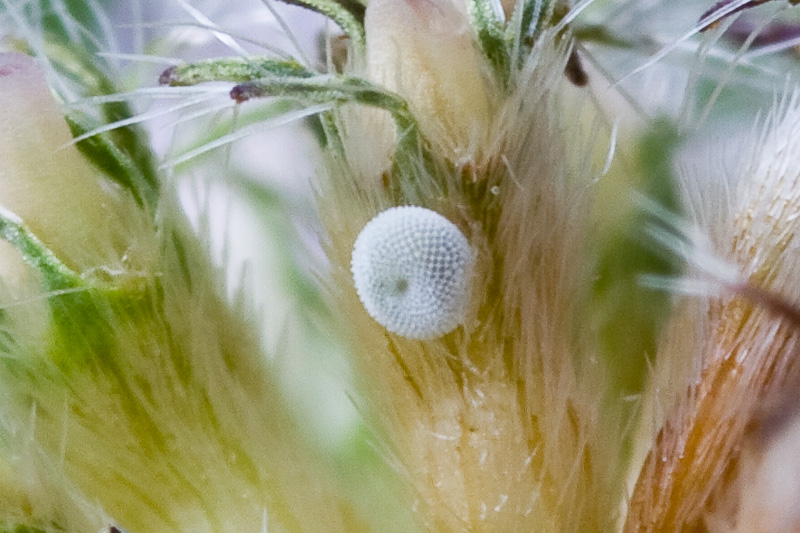
Eggs are typically laid singly, deep in the flower heads of Red Clover. They resemble miniature sea urchins and are a pure white. The egg hatches after 1 or 2 weeks.
"At the request of the Hon. N. Charles Rothschild, Prof. Rebel kindly sent the author four living females captured at Vienna, which were received on July 1st, 1 907. These were at once placed on growing plants of A. vulneraria, and on July 5th a few eggs were deposited, and many more on the following day; in all about thirty-six were laid on the calyces of the flowers, mostly near the base and often hidden between them. The egg is very similar to that of N. arion, being of the same size, e.g., 0.60 mm. wide, but slightly higher and of similar structure; the micropyle, however, is much smaller, and but slightly sunken, resembling in this respect the egg of C. argiades. The whole surface is covered with a beautiful reticulated network pattern; the reticulations surrounding the micropyle are simple, but gradually develop at each juncture into raised knobs, which are prominent elsewhere over the surface. All the reticulations resemble white frosted glass, reflecting the beautiful pale blue-green ground colour of the egg. Shortly before hatching it assumes a greyish tinge. The egg state lasts ten days. The eggs laid on the 5th hatched on the 15th." - Frohawk (1924)
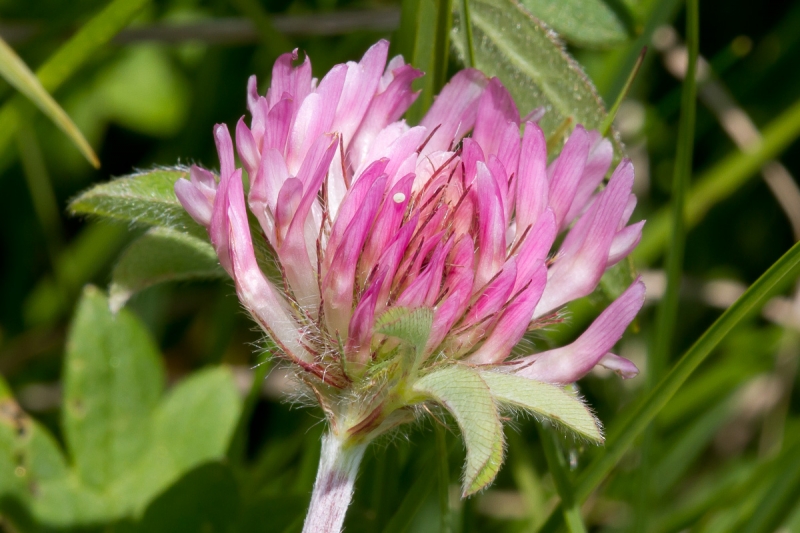
On emerging from the egg, the larva proceeds to feed within the flower heads of the foodplant. This species overwinters while still a young larva. The larva resumes feeding on shoots of clover the following spring. There are 5 instars in total, although Frohawk cited 6, but did say: "A larva kept under observation by Dr. Chapman moulted in all four times [5 instars]. It may therefore be concluded that the number of moults is liable to variation." - Frohawk (1924)
The primary larval foodplant is Red Clover (Trifolium pratense).
"The young larva makes its exit by eating a small hole in the side of the egg, just large enough to allow of its escape. Directly after emergence the larva is very small, being only 0.80 mm. long, but stout in proportion. It is almost exactly similar in all respects to N. arion, except that the hairs of semiargus are longer and the general colouring of the body is of a greener tinge. It has a shallow dorsal longitudinal furrow; on the first segment, which is the widest, there is a large dorsal disc, and a smaller one on the anal segment; both are somewhat glazed and grey in colour, the body is pale greenish-blue-grey, with citrine-yellow shadows; along the dorsal surface are longitudinal rows of very long and also short glassy white, finely serrated hairs, placed in pairs on each segment bordering the furrow, the first one very long, the second short; both curve backwards, and have dark olive-brown pedestal bases; below are two very small hairs projecting laterally; the spiracles are large and dusky. On each segment are three sub-spiracular hairs, which are long and project laterally also; the central one is very long. Below on the lateral lobe are two other similar but shorter hairs, and others on the claspers; they all have dark bulbous bases. The head is shining brownish-black. The entire surface is sprinkled with blackish points. The legs and claspers are the same colour as the body. On July 19th the author carefully examined the flowers, and found the young larvae had eaten through the base of the calyces and were feeding on the green seed-pod within. One of the butterflies from Vienna lived until July 20th. On July 23rd the flowers were again examined and two larva were found in the second stage, another undergoing the first moult, and others in the first stage, feeding on the seed-pods. Shortly before first moult it measures only 1.6 mm. long, and is pale ochreous-yellow." - Frohawk (1924)
"After the first moult it is a good deal similar to the previous stage, but has additional hairs and three sub-dorsal lenticles on either side of each segment, and one sub-lateral; the surface is covered with greyish raised points. On the first segment is a dorsal shield-like disc, slightly sunken, and of a dull olive colour, beset with little lenticles varying in size. The colour is pale ochreous, with faint longitudinal medio-dorsal and lateral lines and oblique side stripes of a slightly darker ochreous. Before second moult it is 2.8 mm. long; the segmental divisions are deeply cut, the body is thickly studded with white serrated hairs, each with an ochreous-brown tubular base and black lenticles. On the tenth segment is a dorsal transverse honey gland, very similar to that of N. arion; at the edge are a few minute white hairs with branching tips. A tiny bead of liquid was seen exuding from it. The dorsal disc on the first segment is fan-shaped, with a glazed surface beset with minute discs, as in the previous stage, but has in addition three hairs. The whole colouring of the body is pale ochreous-yellow with medio-dorsal, sub-dorsal and sub-spiracular pale rust-red stripes, which are broken up on each segment, being composed of a series of short bands, and those forming the sub-dorsal series are slightly oblique; the lateral stripe is continuous round the broad rounded and somewhat flattened anal extremity; the head is black and shining. Some specimens are paler than others, and some are distinctly yellow after feeding on the yellow petals of the flowers. They feed on all parts of the bloom of A. vulneraria. In general appearance and structure they are very like arion larvae, but less pink in colour. Besides the flowers of vulneraria the larvae of semiargus feed readily on clover blossoms, both pink and white, but for choice prefer the former, which they greedily devour, eating all parts of the blossom." - Frohawk (1924)
"During the second week of August most of the larvae (after the second moult, which occurred at the beginning of August) entered into hibernation; some were found concealed within the calyces of the Anthyllis, and others under the leaf-like bracts and also between the calyces. Although several were kept in a warm temperature, with early morning sunshine and during the warmest days of the summer, they all remained motionless. During the first week of September a few of the larvae were placed out of doors (these were hibernating on flower-heads of red clover and Anthyllis); the pots containing the plants were only protected by gauze covers, so they were subjected to all conditions of weather throughout the autumn and winter — therefore were kept in a practically natural state. On January 20th, 1908, a pot kept out of doors was examined, and one larva was found on a dead brown clover-bloom apparently perfectly healthy, which had not moved since the middle of August, also on the dead flower-head of Anthyllis there was another in a similar condition. Again, on February 22nd, the writer carefully examined the plants kept both out of doors and in a cold conservatory, and found altogether nine larvae, all apparently very healthy and hibernating. These had not moved at all since entering into hibernation; some were between the calyces of the dead Anthyllis, and very difficult to detect, while others were hidden within them, some were on the leaf bracts, and one on a dead Anthyllis stem at the base of a withered leaf, and two on dead clover flower-heads between the petals. In all cases the larvae were resting with their heads pointing inwards, towards the base of the flowers. On March 20th three larvae moved from their hibernacula (the others remained motionless). These were placed on separate blossoms of furze (U. europeus), upon which they remained without feeding for a time. On the morning of March 24th one was noticed to have been feeding on the inside cuticle of the calyx, and another was seen feeding on the petal of another blossom. This day being warm, with considerable sunshine, three more left their hibernacula. Therefore they were supplied with young shoots of clover, on which they fed, perforating the leaves, and boring into the swollen shoots enveloping the young leaves, feeding on the interior in the same way as C. argiolus larva feed on young holly-berries. The following day they continued feeding at times. On April 1st another left its hibernaculum. The third moult: On April 8th the first one moulted the third time, followed by one moulting on the 9th, another on the 10th, and others fixed for moulting on the 11th. Before the third moult, 239 days old, it measures 4.2 mm. long when fixed for moulting. It is of a very pale yellowish-flesh colour; all the markings dull pale pinkish, giving the larva a pale flesh-coloured appearance. One of those which left its hibernaculum on March 20th was kept solely on furze bloom, and moulted the third time on April 15th. They remain some days fixed for moulting." - Frohawk (1924)
"After the third moult, 245 days old, it measures 5 mm. long. The ground colour is of a pale ochreous-green, with the dorsal, sub-dorsal and lateral stripes dull pinkish-drab; otherwise it is very similar to the previous stage, excepting it is more densely studded with hairs of varying length, each with a darker green truncated swollen base encircled with a series of black points; there are also numerous lenticles, a honey gland on the tenth segment, and on the eleventh segment below and behind each spiracle is a retractile tubercle. They continued feeding on the tender shoots of clover, preferring the young expanding heads of the plant, and fed at all times during the day." - Frohawk (1924)
"The fourth moult on April 26th. After this moult the larvae are wholly of a clear green colour. After the fourth and shortly before moulting the fifth time it measures 7.6 mm. long. It is similar to the previous stage excepting the hairs are longer and the ground colouring is a clear light green, with darker green but somewhat indistinct markings. On May 2nd two fixed for the fifth moult; one moulted towards evening of the 4th, the other early on the following morning; while on this day four others were fixed for the fourth moult, and one feeding in the same stage; also one larva was still in the third stage, which remained in partial hibernation as it shifted its position on May 3rd, but had not then left the dead part of the plant which formed its hibernaculum. This one again moved on May 17th, when it was placed on a clover blossom, upon which it rested for a week, and died on May 25th, having lived for about 280 days without feeding." - Frohawk (1924)
"The one that moulted on May 4th for the fifth and last time became fully grown and spun up for pupation on May 17th, and pupated 10 a.m. on the 19th, the last stage occupying fifteen days. After the fifth and last moult, fully grown, about 275 days old, it measures 11.8 mm. long. In shape and size it greatly resembles arion larva. The small shining black head is set on a moderately long retractile neck, which is frequently protruded beyond the first segment while it is crawling and feeding, which, when at rest, is completely withdrawn and hidden in the segment. Although the head is disproportionately small for the size of the larva, it is more than twice the size of the minute head of arion larva. Dorsal view: The anterior and posterior segments are overlapping and rounded. The body is narrowed anteriorly, widening to the eighth segment. The segmental divisions are deeply cut, each segment boldly convex. Side view: First anterior and last three posterior segments flattened and projecting laterally; second to ninth segments are humped dorsally; there is a slight medio-dorsal furrow; the sides are sloping and the lateral ridge dilated; the ventral surface is bulbous and ample. The whole body is rather densely sprinkled with finely serrated spinous hairs; the longest are along the dorsal surface and lateral ridge, where they form a projecting fringe all round the larva, and the first two segments are also covered with longish hairs, and a few are scattered along the sub-dorsal region; all these longer hairs are pale brownish, becoming whitish towards the base, which is in the form of a pedestal, and of a greenish-white colour; the other hairs are very minute, white and glassy. On the first segment is a fan-shaped whitish dorsal disc, studded with shining black raised processes and tiny white hairs; scattered over the body are very small shining black lenticles. On the tenth segment is a transverse honey gland, very like that on the same segment of anion larva, but in semiargus it is not fringed with the extremely minute branching hairs, but is instead surrounded by numerous little lenticles and tiny white simple hairs; and on each side of the eleventh segment is a retractile whitish tubercle; the claspers and ventral surface are glaucous; the legs whitish, ringed with dark olive. The larva, which entirely fed on furze blossoms since hibernation, pupated on May 22nd, and produced a fine male imago on June 7th. This larva remained a much paler colour, being a pale greenish-yellow-ochreous, and the pupa was likewise pale in colour. The larva spun themselves up on different parts of the plants, both on the stems, leaves and flowers; in each case a very slight cocoon was formed by a few strands of silk, and the larva was also attached by the hind claspers to a pad of silk and a cincture round the middle." - Frohawk (1924)
This stage lasts approximately 3 weeks.
"The pupa averages in length 10.5 mm. Dorsal view: The head is obtuse; from the base to the middle of wing the outline is straight, then swelling to the second and third abdominal segments; the abdomen attenuated to the rounded anal segment. Lateral view: The head rounded, with slight swellings at base of antennae; thorax convex; division between first and second segments forming an obtuse angle; abdomen slightly swollen and curving to the rounded anal segment; the ventral surface forms almost a straight line (in which respect it mainly differs from arion pupa). The cremastral hooks number in all twenty-four and are placed in two distinct patches of twelve each. The entire surface (like that of arion) is covered with very fine brown reticulations, and, excepting the wing, is sprinkled also with minute lenticles; these are especially numerous on the head and pro-thorax; also sprinkled over the surface are finely serrated whitish bristles. On each side of the pro-thorax is a small patch of bristles with their ends finely ciliated. The dorsal honey gland of the larva is modified into a slight suture, marked in the centre with a brown spot. When first pupated it is a clear transparent green, showing the nervures of both primaries and secondaries and the general internal structure; it gradually assumes an ochreous tinge at both ends, and the darker dorsal line (dorsal vessel) can be seen pulsating as in the larva. When four days old it is mostly of a dull ochreous-green; the thorax whitish-green; the head and anal segment pale pinkish-buff; the neuration of both wings still visible. When nine days old and normal the colour is a pale ochreous-green; wings palest, inclining to whitish; head, pro-thorax and anal extremity tinged with rust-red, caused by the density of the reticulations and lenticles; spiracles whitish; the neuration still showing under the thin pupal skin. On the twelfth day the maturing of the imago commenced by the eyes becoming a pale reddish-drab and the wings opaque cream colour; the eyes daily deepen and the wings become paler and more opaque. On the fifteenth day the eyes are dark brown, wings, thorax and head light tawny-buff, abdomen greenish-ochreous. On the following day the whole colour is quickly transformed into black, blue and grey. In the males the wings are then rich deep metallic blue at the base, blending into light greenish-blue, forming the median area; the rest of the wing black, and black nervures crossing the blue; outer border creamy-white; the eyes, thorax and dorsal half of abdomen steel-black; ventral surface olive. A few hours before emerging the blue of the wings assumes a silvery-grey, and all the hair scales of the body show clearly through the thin delicate texture of the pupal skin, giving the whole a silvery-grey appearance. The pupa is attached to the food plant by the cremastral hooks and a cincture round the waist, and a few strands of silk spun around it, forming a slight cocoon. The first imago (a male) emerged on June 5th; it pupated on May 19th, making the pupal period seventeen days. Others emerged at intervals during the first half of June, in all five males and one female — all fine specimens. Previous to 1908 the life history of semiargus remained a blank to British entomologists, and by the meagre descriptions given by the various authors concerning the larva and pupa, obviously copied from Ruhl, very little appeared to be known to the Continental authors. Certainly Ruhl's description is confusing and misleading, as he states that the larva is full fed in August, changes to a pupa in September, and passes the winter in that stage." - Frohawk (1924)
The following links provide additional information on this butterfly.