UK Butterflies
Building a Community of Responsible Butterfly Enthusiasts in Britain & Ireland
Building a Community of Responsible Butterfly Enthusiasts in Britain & Ireland
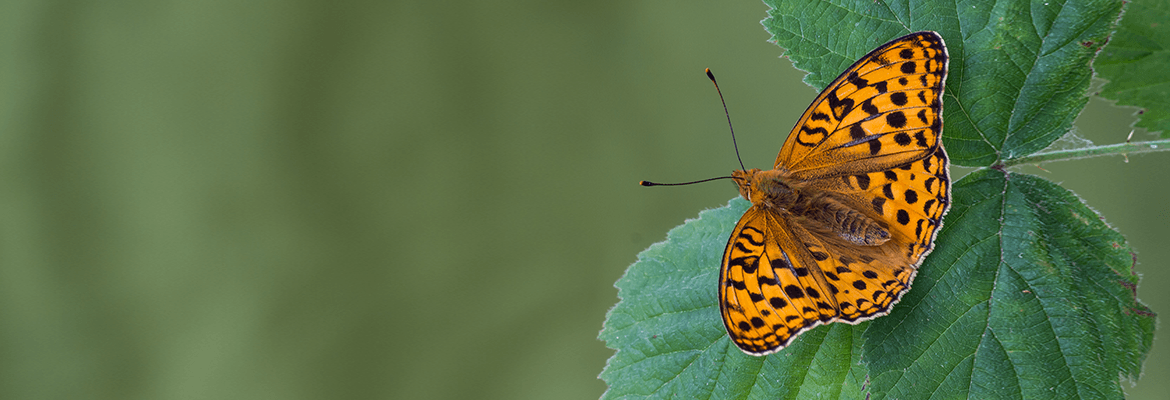
Wingspan
55 - 69 mm
Checklist Number
59.020
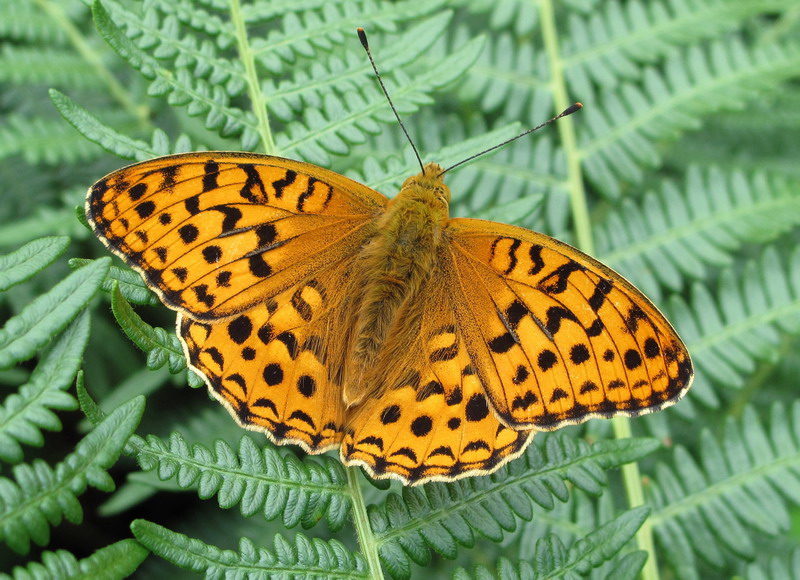
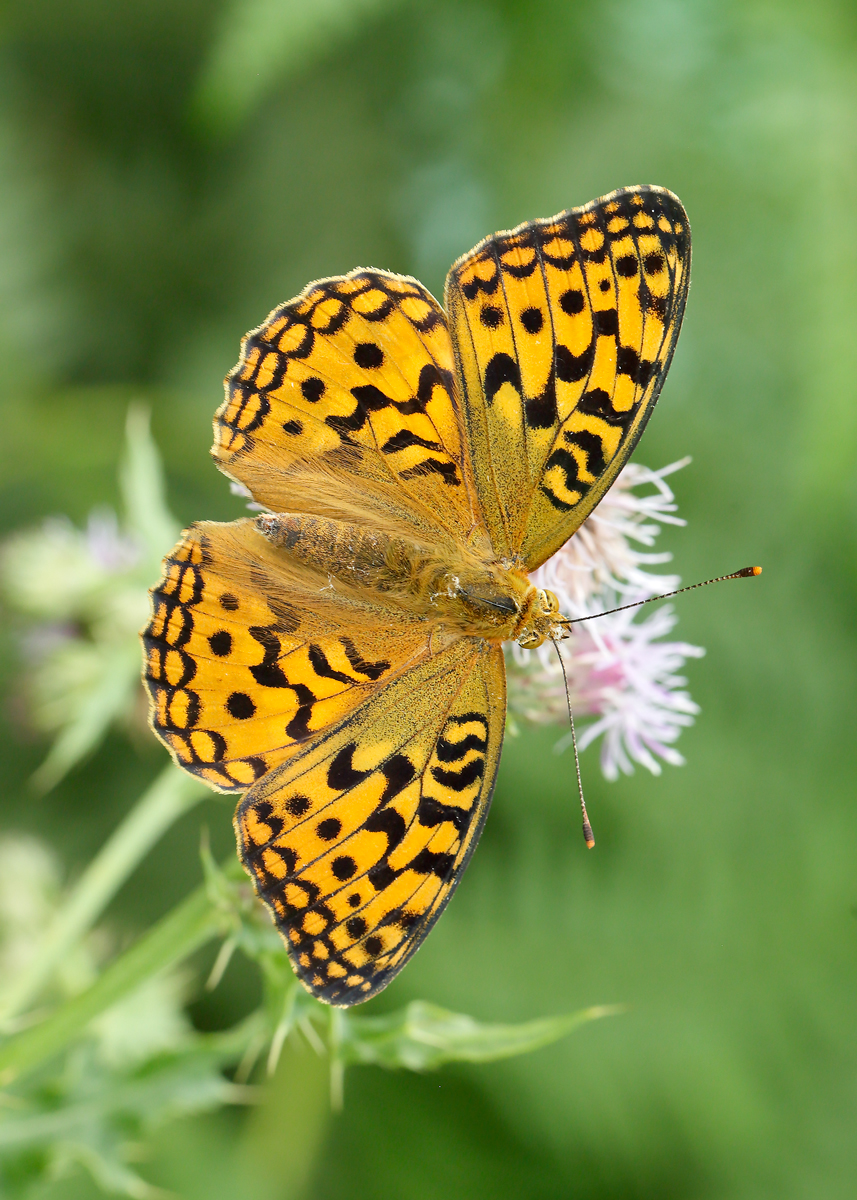
The High Brown Fritillary is a butterfly over which there is much concern due to a decline of over 90% since the 1970s. One cause of decline is believed to be the cessation of woodland coppicing, a practice which opens up new areas of suitable habitat that the butterfly is able to colonise once existing sites have become overgrown.
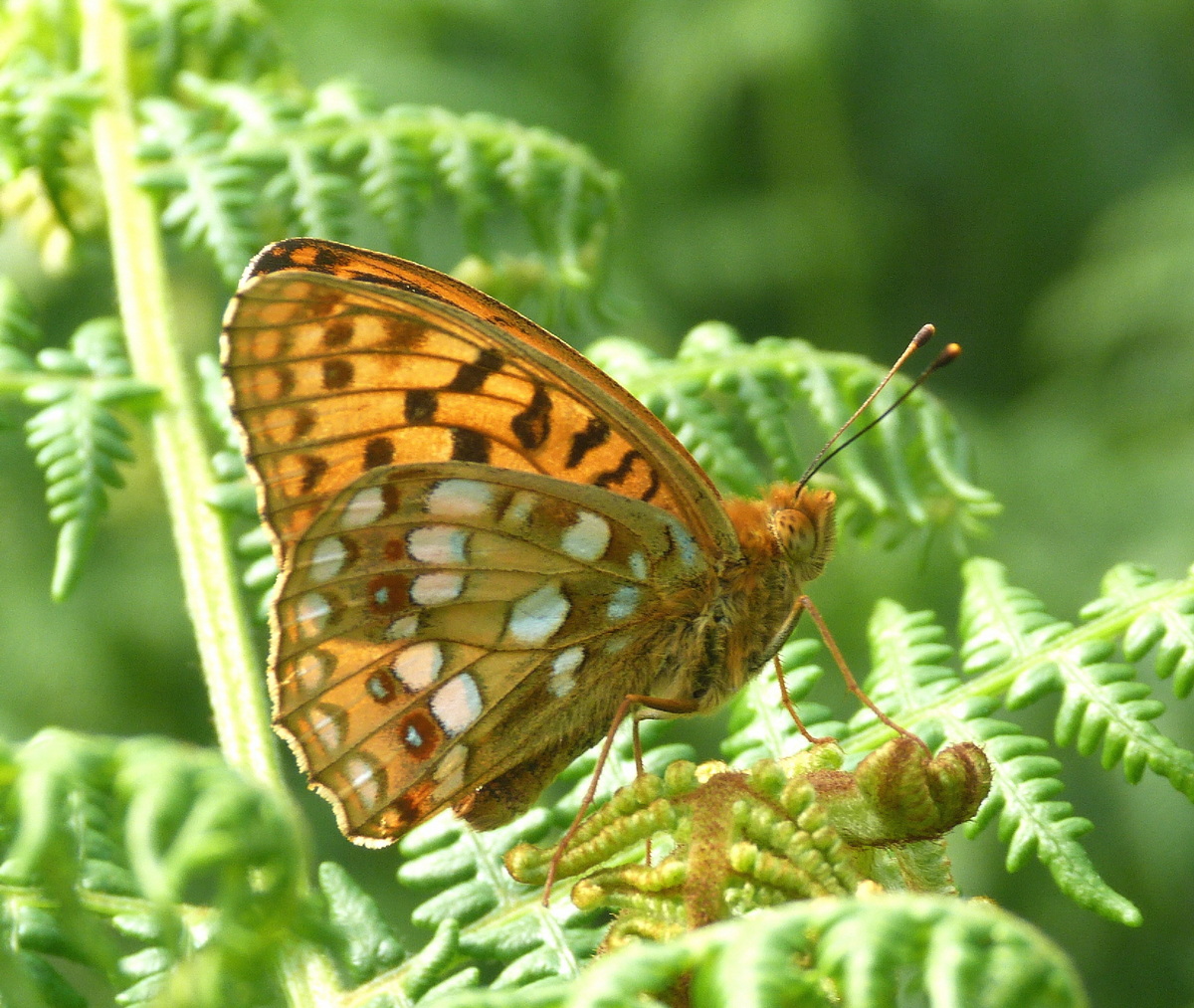
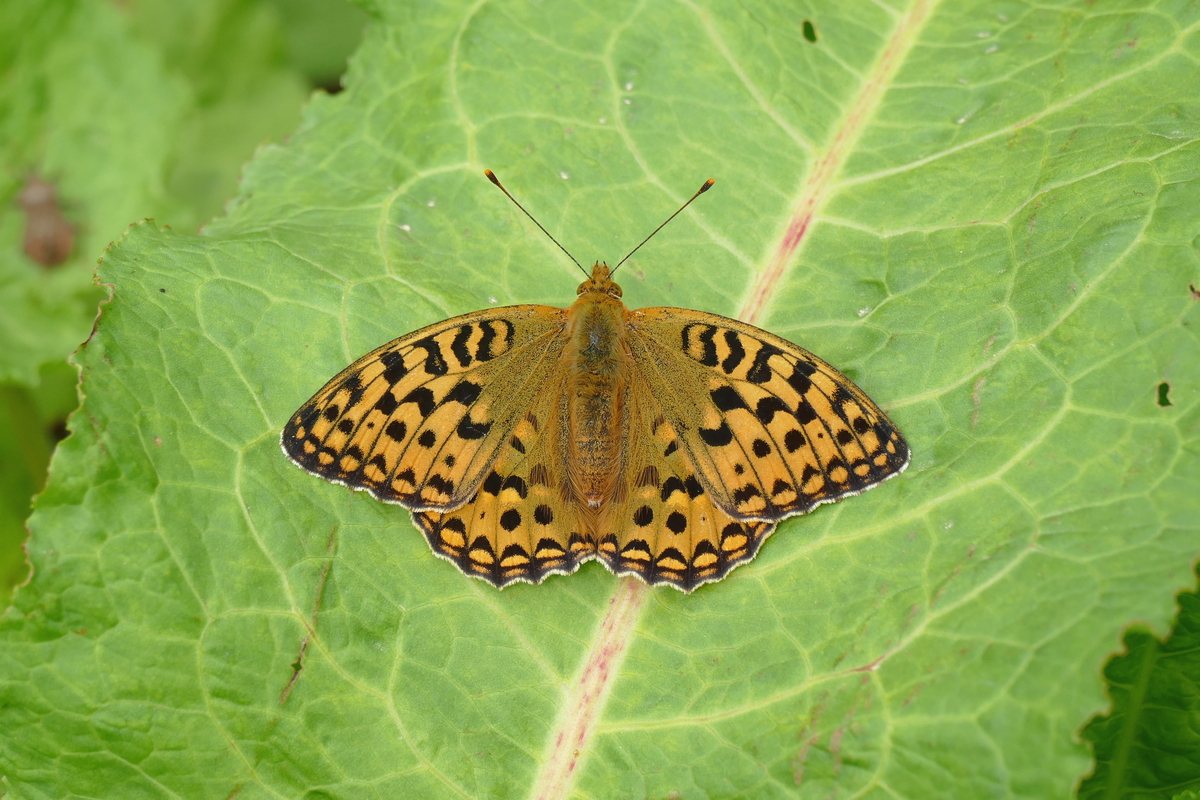
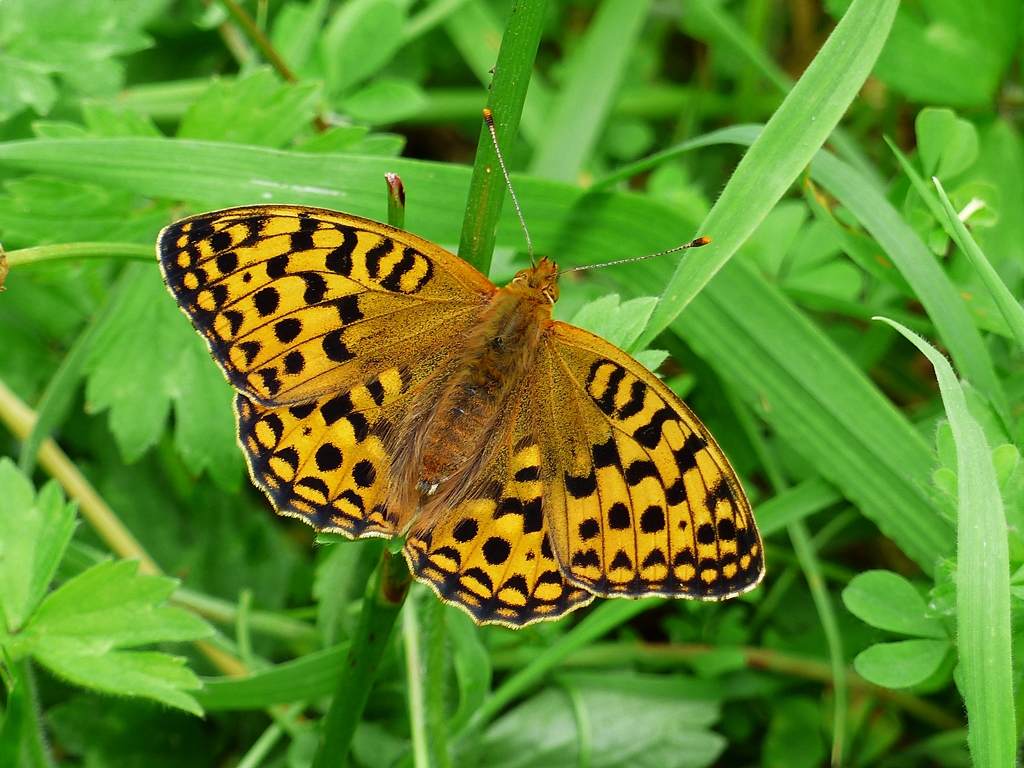
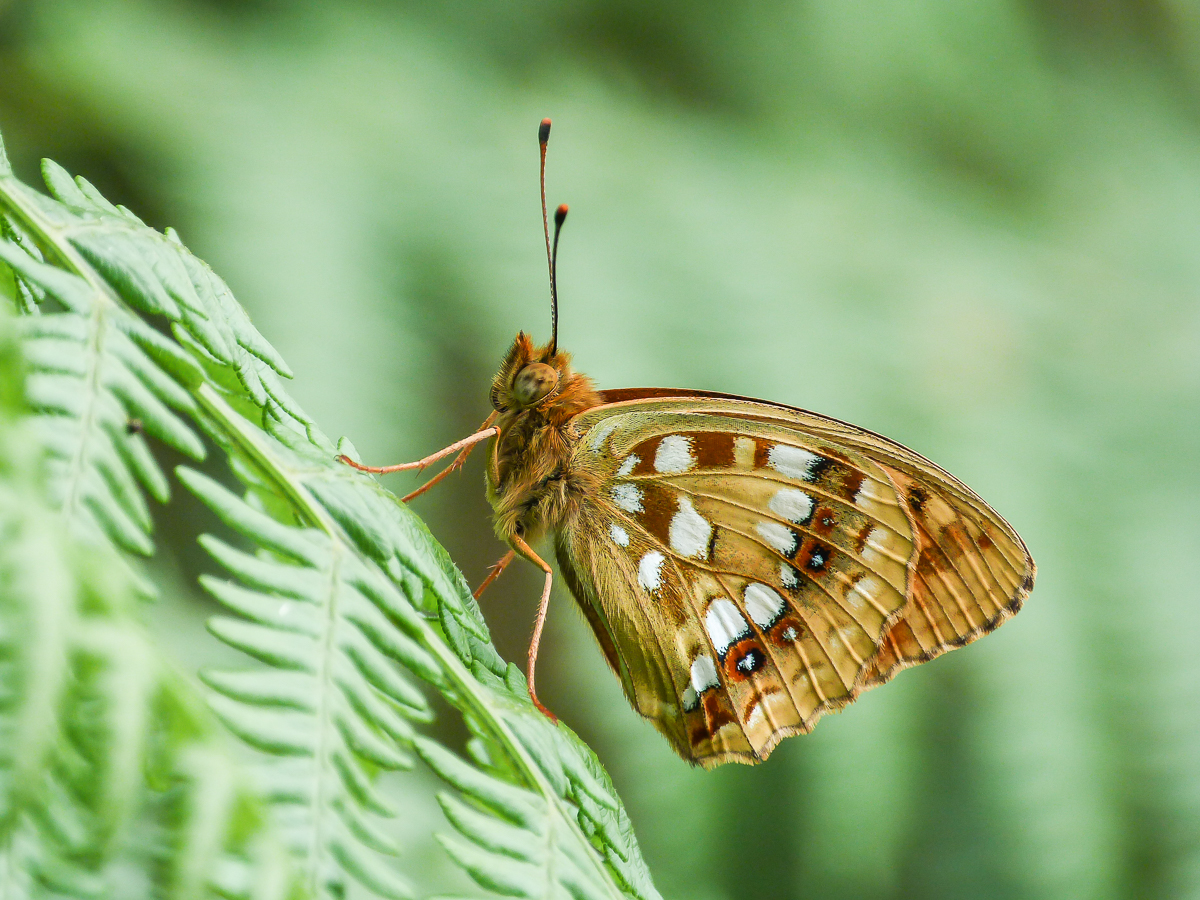
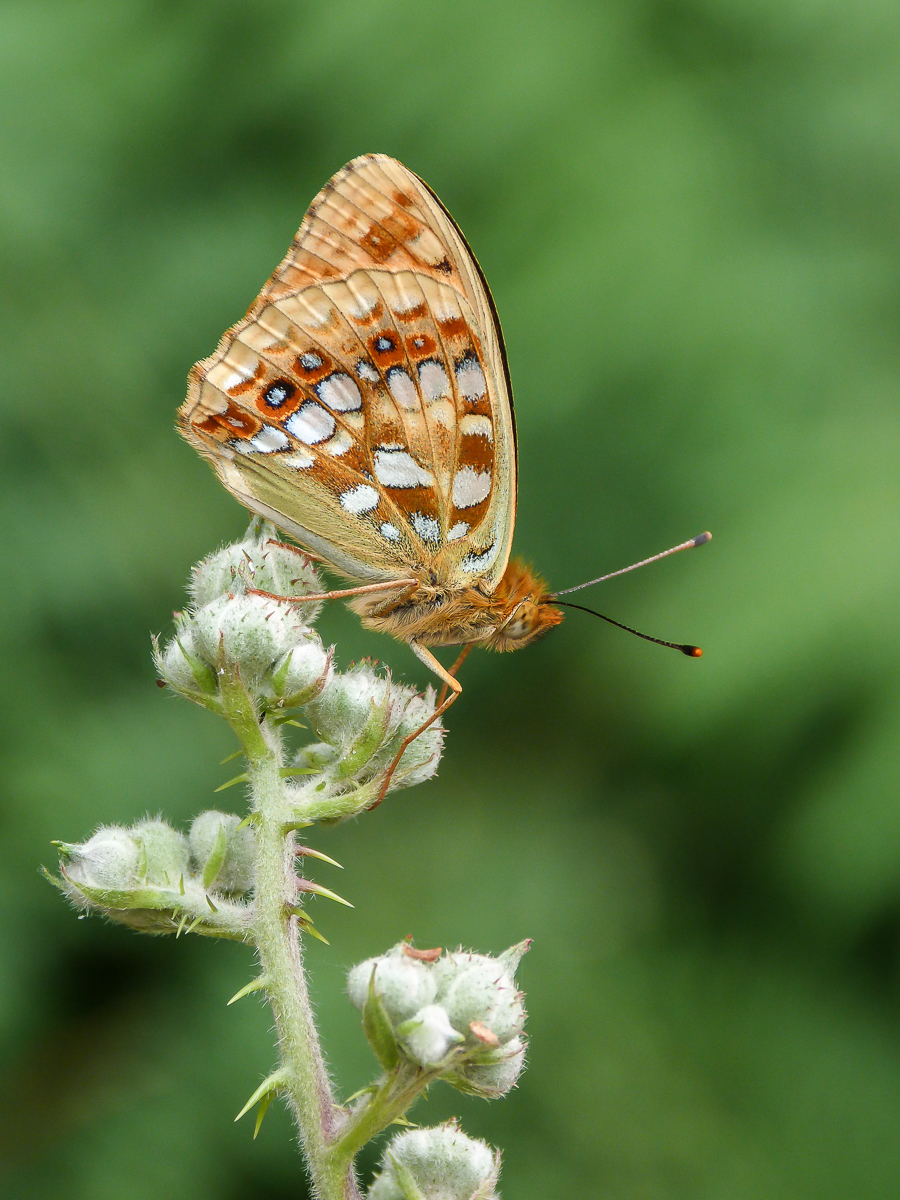
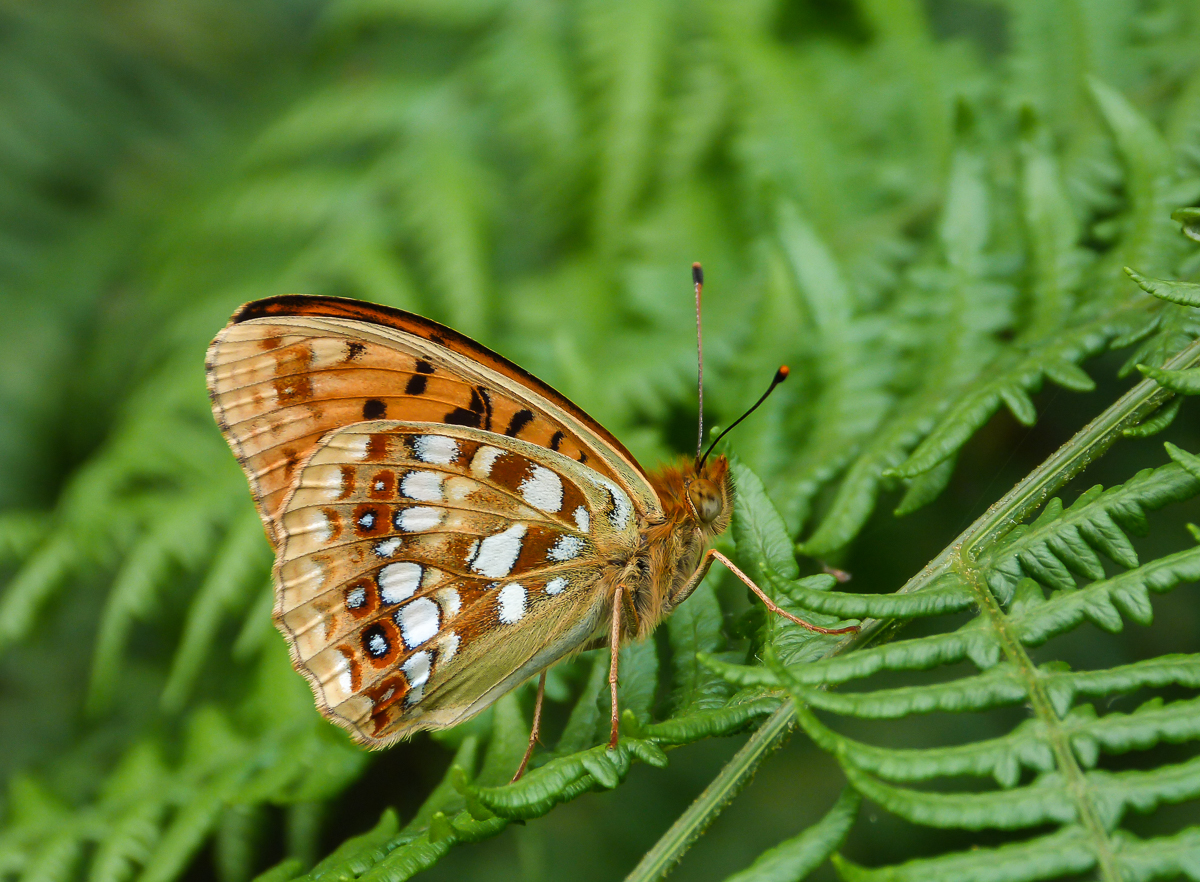
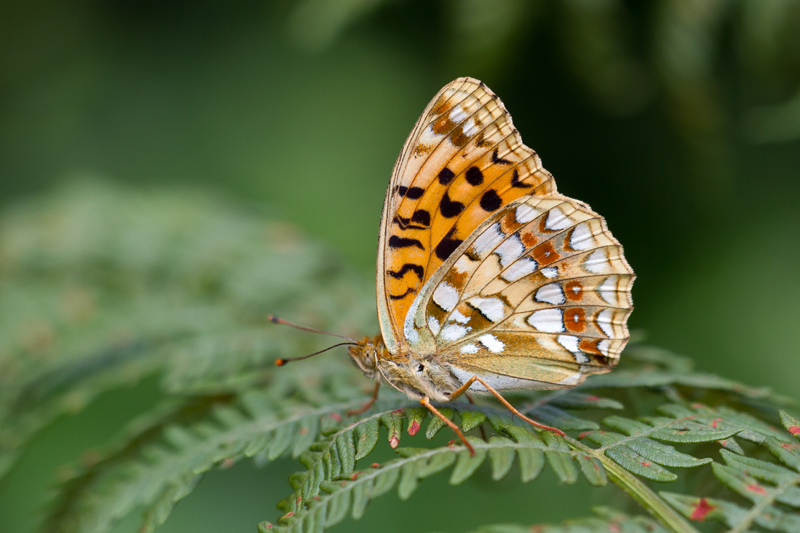
This butterfly is easily mistaken for a Dark Green Fritillary and the two often fly together, making a positive identification almost impossible unless the butterfly is at rest. The two species are most easily distinguished by their undersides, where the High Brown Fritillary has a row of brown spots between the outer margin and the silver spangles, which are missing in the Dark Green Fritillary. A less-reliable identification guide is that, as its name suggests, the High Brown Fritillary has a predominately brown hue to the underside, whereas the Dark Green Fritillary is predominately green. Once common and widespread in large woodlands in southern, central and north-west England and parts of Wales, this butterfly is now confined to sites in the Morecambe Bay area of north-west England, North Devon and South Devon (including Dartmoor), Exmoor in South Somerset, and a few sites in Wales.
This species was first defined in Denis & Schiffermüller (1775) as shown here (type locality: Vienna, Austria).

| Family: | Nymphalidae | Rafinesque, 1815 |
| Subfamily: | Heliconiinae | Swainson, 1827 |
| Tribe: | Argynnini | Swainson, 1833 |
| Genus: | Fabriciana | Reuss, 1920 |
| Subgenus: | ||
| Species: | adippe | ([Denis & Schiffermüller], 1775) |
Description to be completed.
The distribution data (2000-2009) has been made available through the generosity of Butterfly Conservation and any subspecies distribution is taken from Riley (2007). Click here to see the distribution of this species together with site information overlaid.
This butterfly can be found in suitably-managed woodland, although they soon disappear should the site become too overgrown, with no suitably-warm undergrowth remaining for egg-laying and larval development. The butterfly is also found on rough grassland, including grassland found on the edges of woods where there is sufficient light to promote growth of the violets. This species can also be found on limestone pavement, such as the colonies around Morecambe Bay, where violets grow between the cracks.
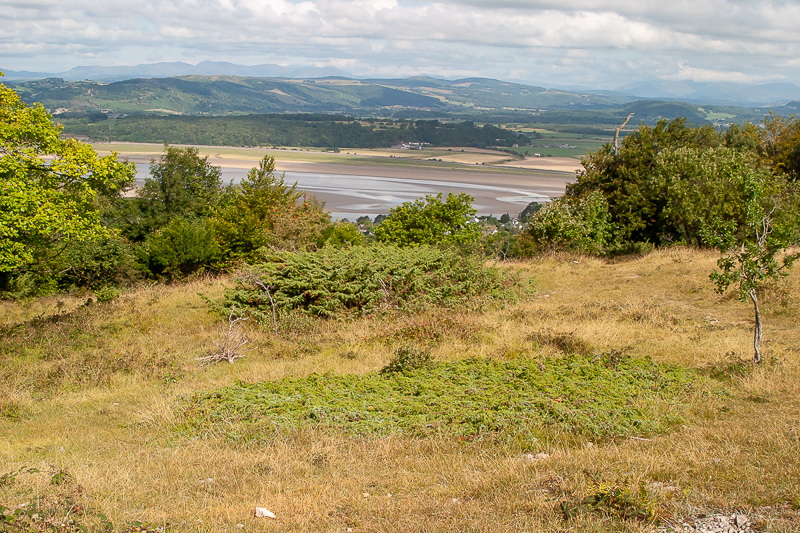
Although there has been some recovery at sites which are specifically managed for this butterfly, the High Brown Fritillary is one of our most threatened butterflies whose numbers have plummeted since the 1970s, being extinct over 94% of its former range. Factors causing this decline include a reduction in coppicing practices, agricultural improvement, and lack of grazing and traditional forms of bracken management. This butterfly is therefore a priority species for conservation efforts.
The table below shows the occurrence (distribution) and abundance (population) trends, using information from The State of the UK's Butterflies 2015 (Fox, 2015). Any UK BAP status is taken from the UK Biodiversity Action Plan (UK BAP) (2007 review).
1976-2014 (%) | 1976-2014 (%) | 2005-2014 (%) | 2005-2014 (%) | Click here to access the Biodiversity Action Plan (BAP). |  -96 -96 | -62 |  -16 -16 |  0 0 |
|---|
Adults emerge throughout June on southern sites, peaking at the end of June and early July, but may not appear until late June further north, peaking a little later in early-July. There is a single generation each year.
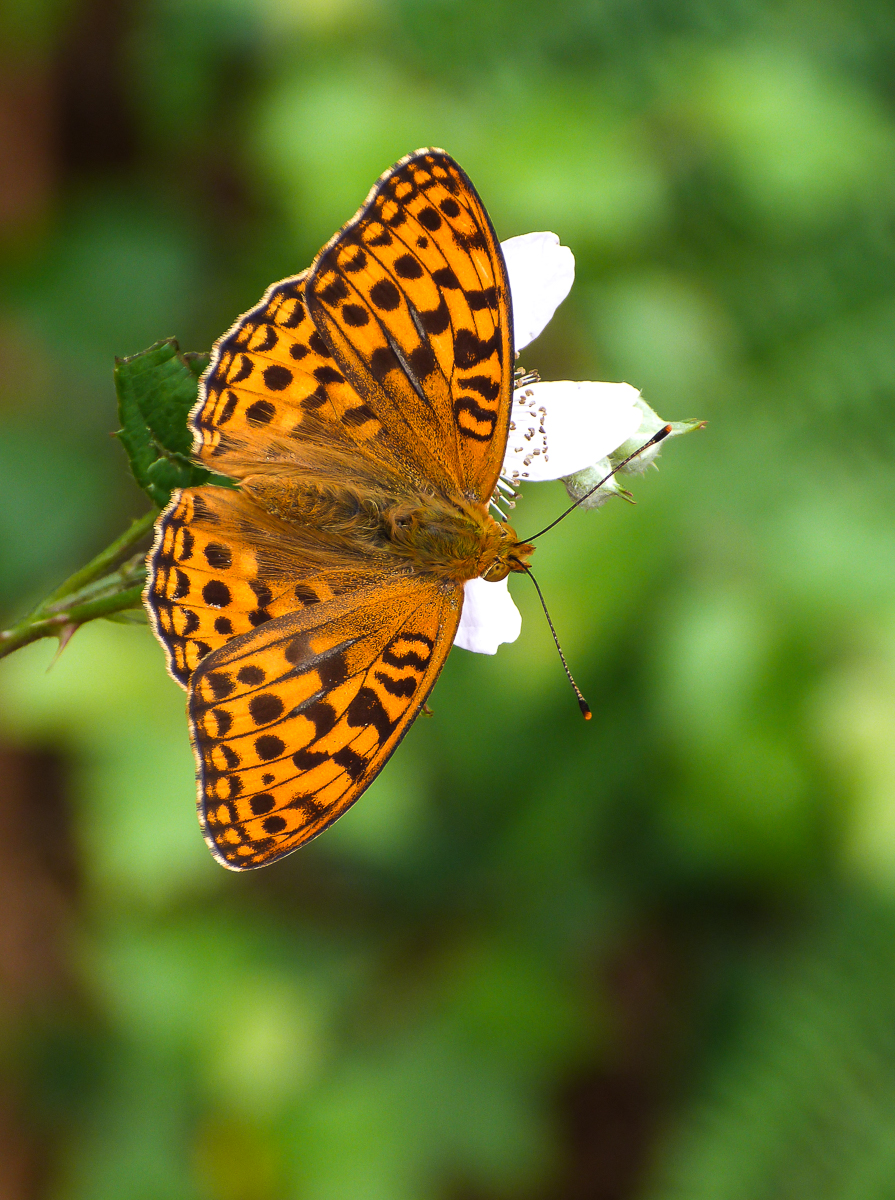
Both sexes fly powerfully and can be difficult to observe unless nectaring on Bramble or Thistle, or when resting low down on vegetation. Males will patrol wide areas of habitat when looking for a mate, and will investigate any brown object that might be a virgin female. Pairing typically takes place in late morning. Both sexes roost high in trees at night and in dull weather.
Females are often most-easily seen when egg-laying, when they flutter low over the ground in search of the larval foodplant. Sunny and sheltered sites are preferred and the female can be seen crawling in the dappled sunlight beneath vegetation close to the larval foodplant, before laying a single egg on a dead leaf, dead bracken frond or twig. Several eggs may be laid in the same area.
Adults feed primarily on brambles (Rubus spp.) and thistles (Carduus spp. and Cirsium spp.). Betony (Betonica officinalis), knapweeds (Centaurea spp.), ragworts (Jacobaea spp.) and Wild Thyme (Thymus polytrichus) are also used.
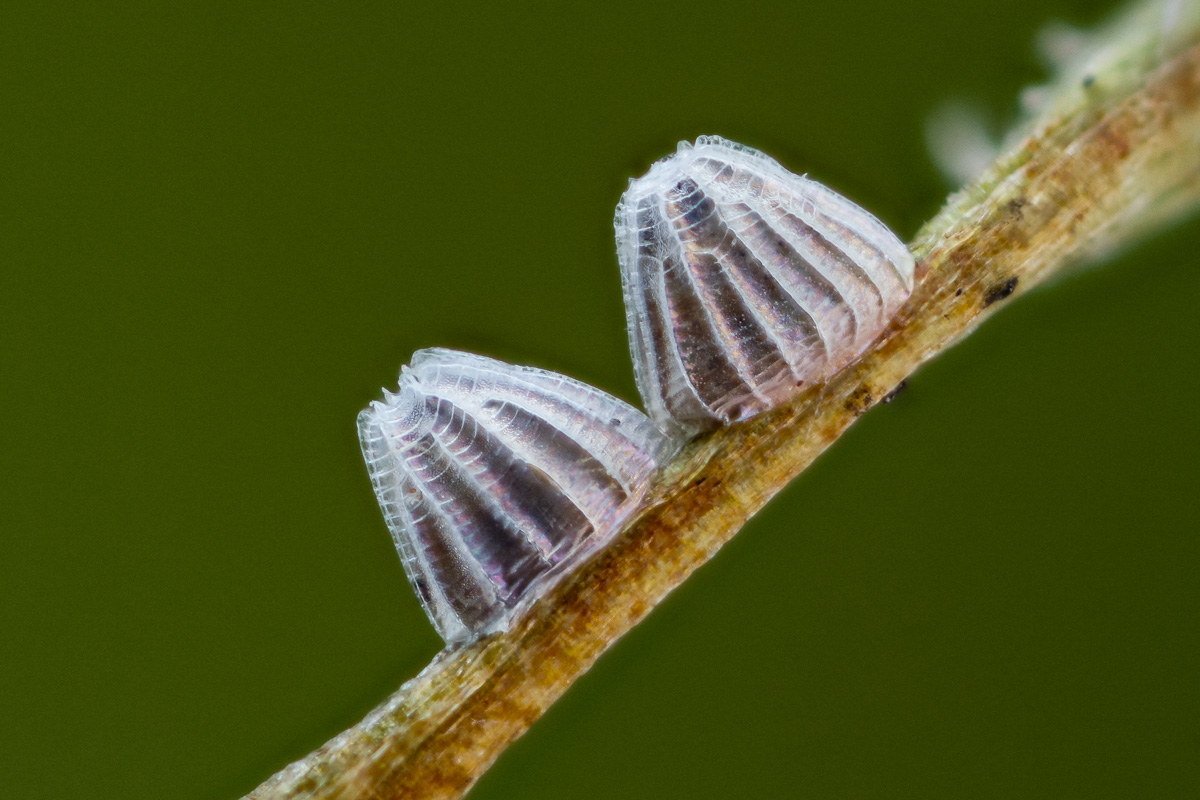
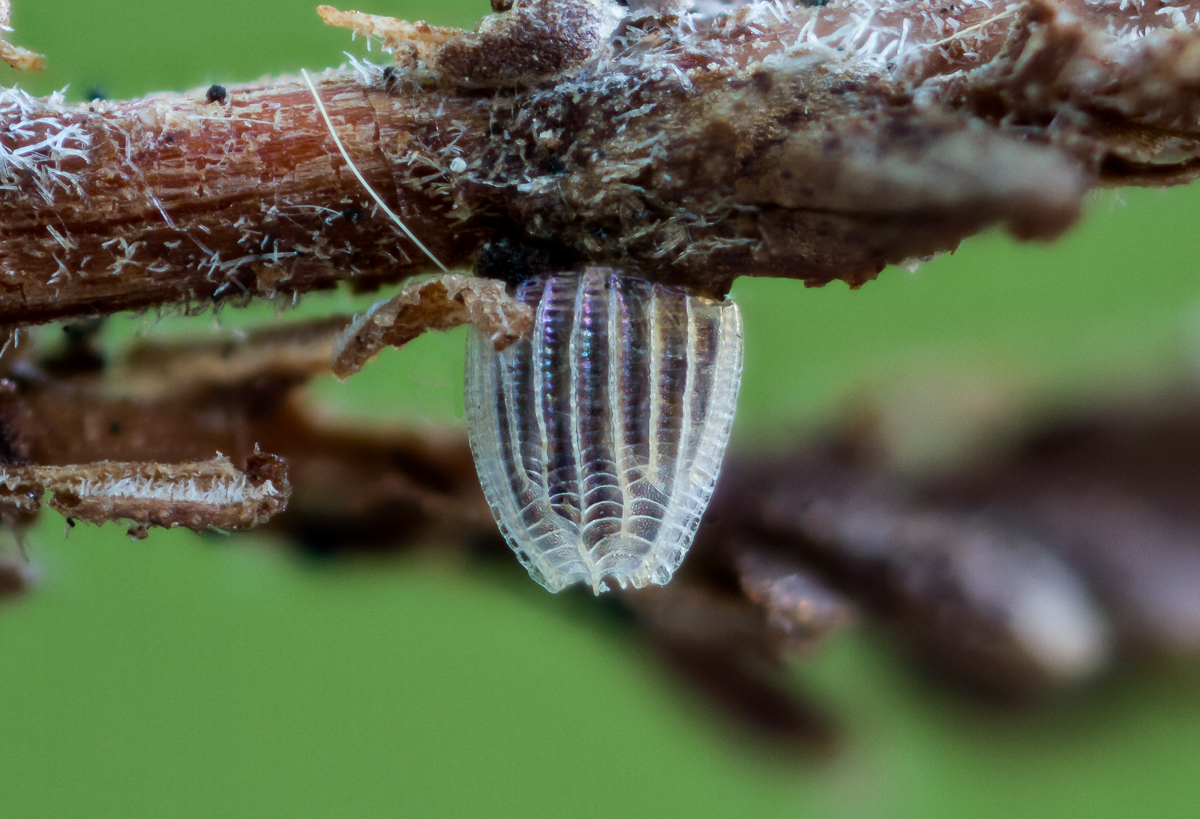
Eggs are pink when first laid, but turn grey as the larva develops inside. The fully-formed larva remains in the egg through the winter.
"The eggs are laid singly on various parts of the food plant (dog violet) (Viola canina), chiefly on the stalks and stems of the plant, near the base. The egg is 0.8 mm. high, slightly pyriform in shape, with from thirteen to fifteen longitudinal keels boldly sculptured; in most specimens only eight run the entire length, the remaining ones either branch off the main keels, about one-fourth down, or else rise separately between them; they are all transversely ribbed, the longest by about twenty; the ribs are continued across the intervening spaces; the keels resemble white glass, and are elevated on the crown and disappear on reaching the base, the micropyle is sunken. When first laid it is pale greenish-ochreous, gradually deepening in colour, and when a week old is a pinkish-buff inclining to apricot colour. The eggs gradually become duller in colour, changing to a pinkish-grey, and darkest on the crown; they remain so all through the winter, but appear to darken still more previous to hatching, when they are of a dark smoky-grey with a dark purplish crown, produced by the head of the larva within, which shows, but less plainly, during the previous autumn, as the larva is apparently perfectly formed in the egg in about a month after being laid. In normal years the eggs hatch at the end of March, the egg state occupying eight months. Eggs laid in July, 1892, began hatching in the middle of February, 1893 (a very early, warm spring), and others hatched at the end of March, therefore they continued hatching for about six weeks." - Frohawk (1924)
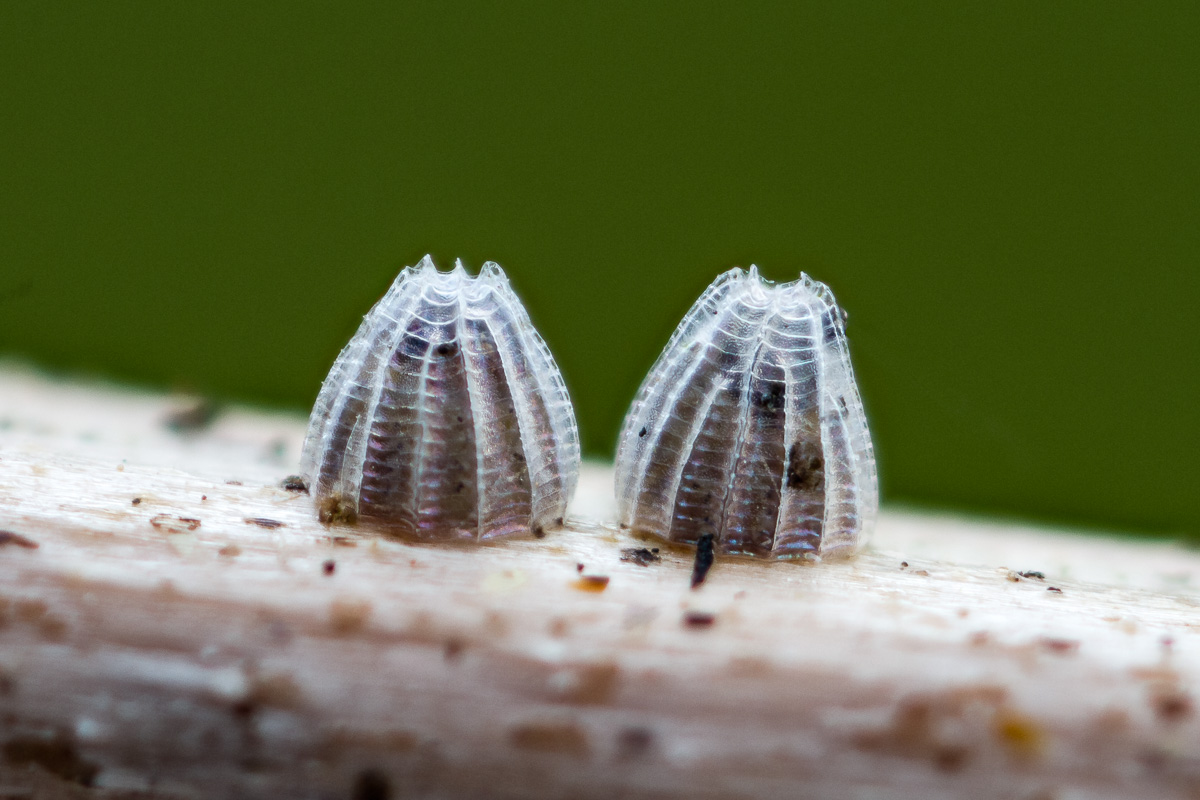

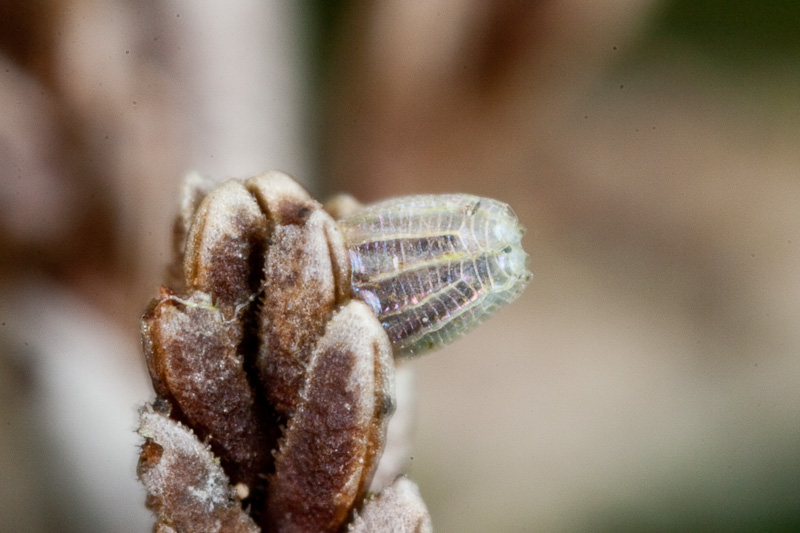
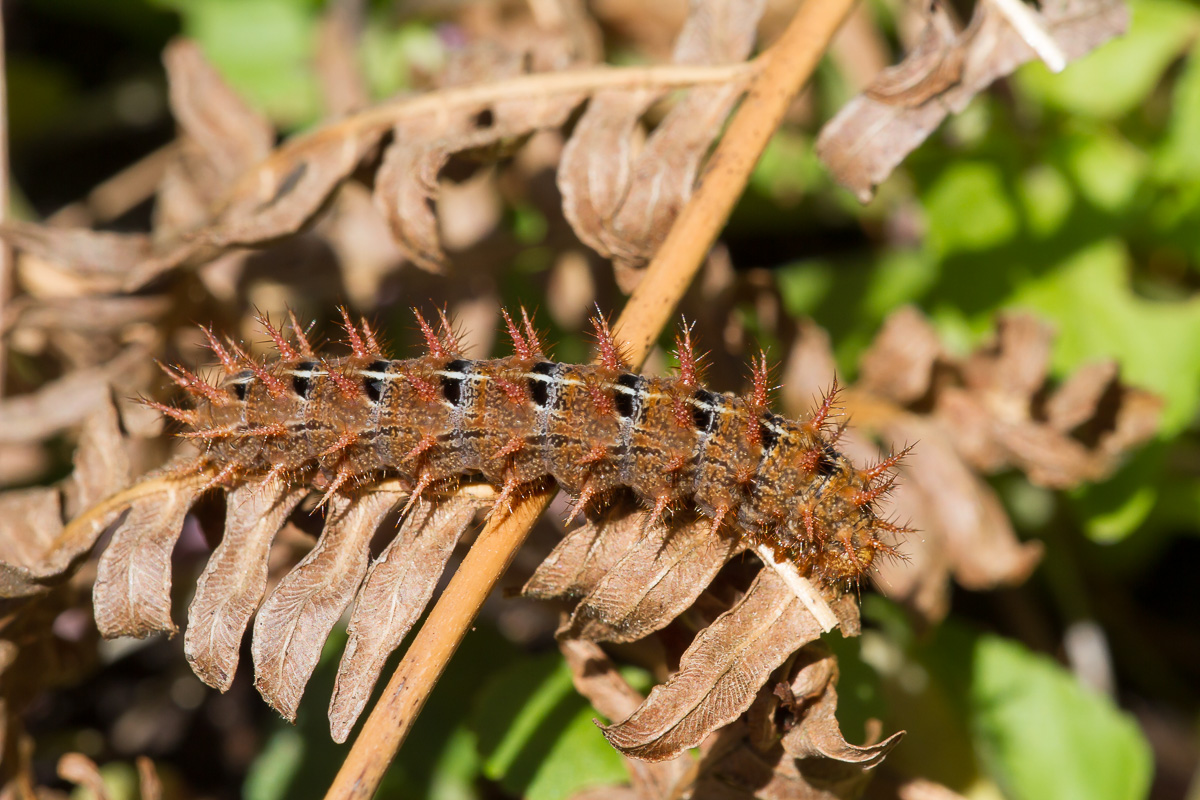
On hatching the larva goes in search of its foodplant, initially feeding on the tenderest leaves, where it leaves characteristic notches in the leaf lobes. Larvae feed during the day and more mature larvae can be found basking in the sun, raising their body temperature to aid digestion. There are 5 moults in total and this stage lasts around 9 weeks.
The primary larval foodplants are Common Dog-violet (Viola riviniana) and Hairy Violet (Viola hirta). Heath Dog-violet (Viola canina) and Pale Dog-violet (Viola lactea) are also used.
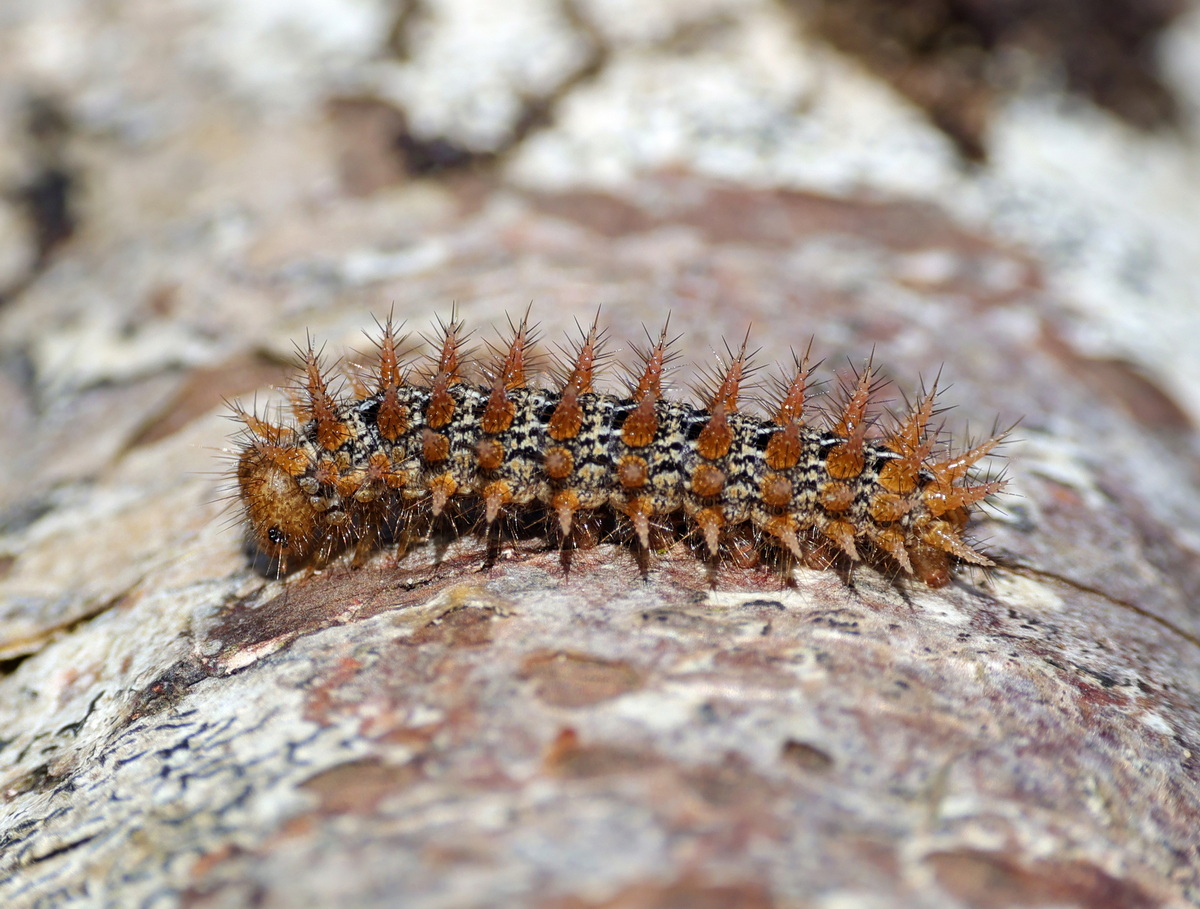
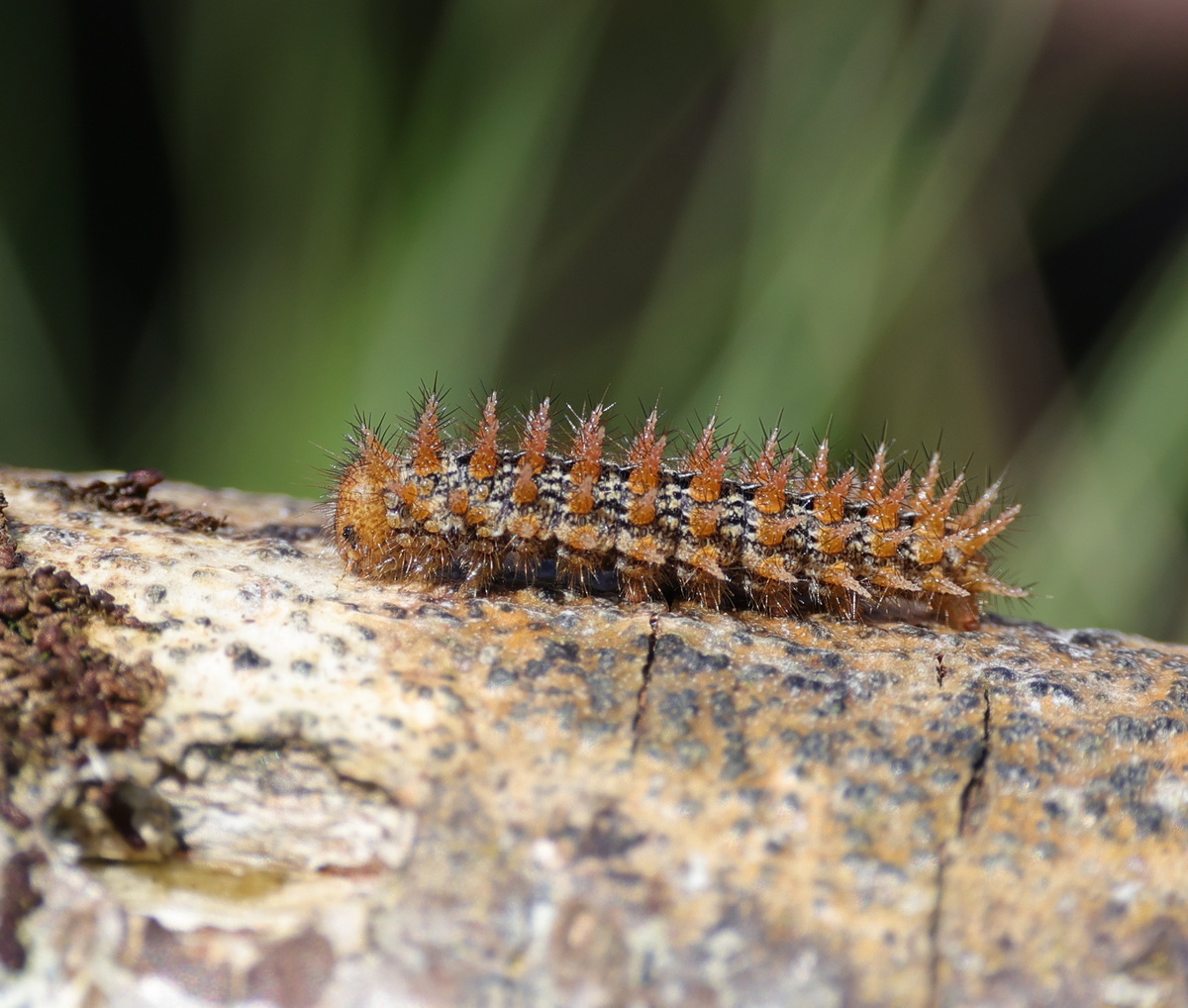
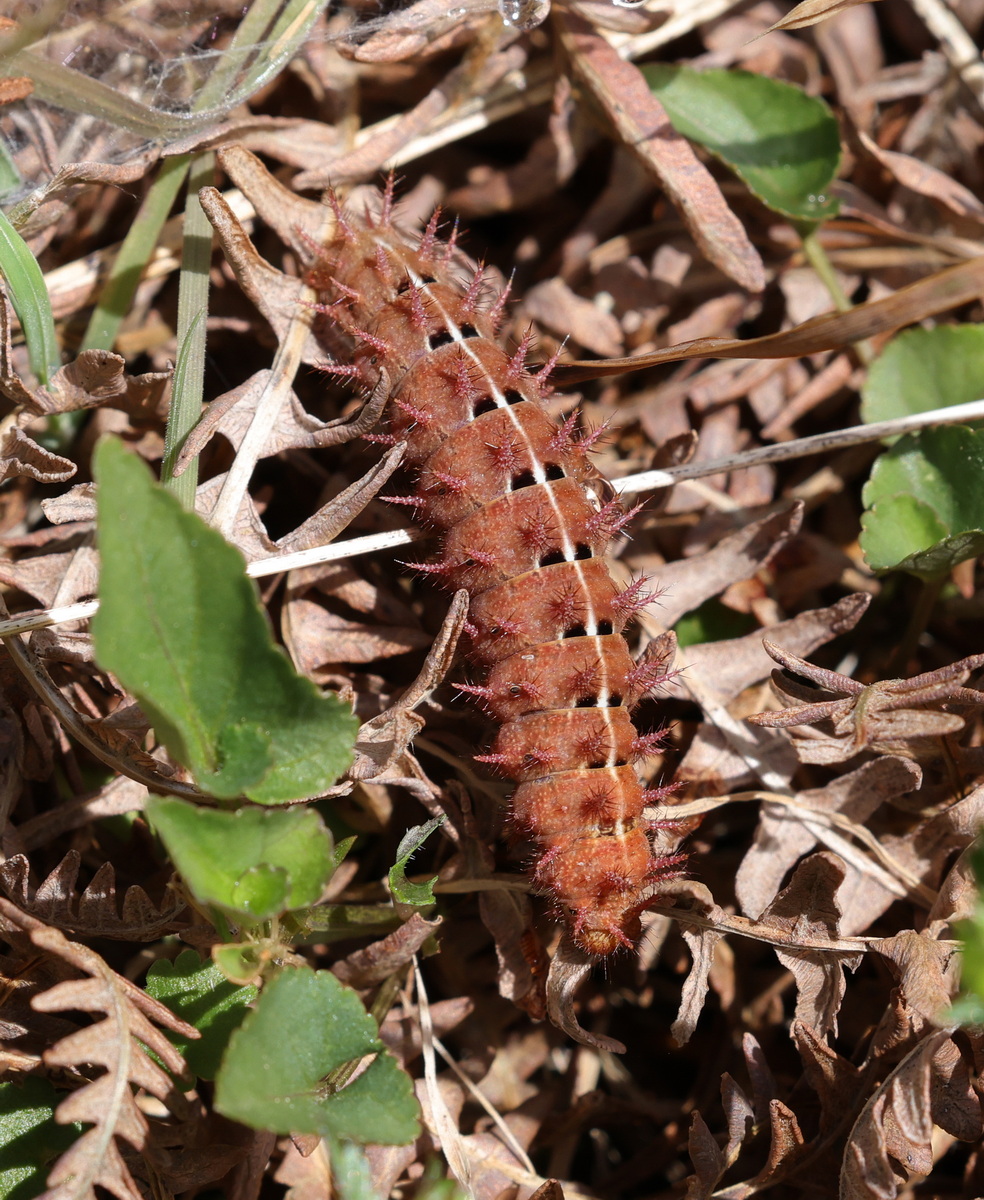
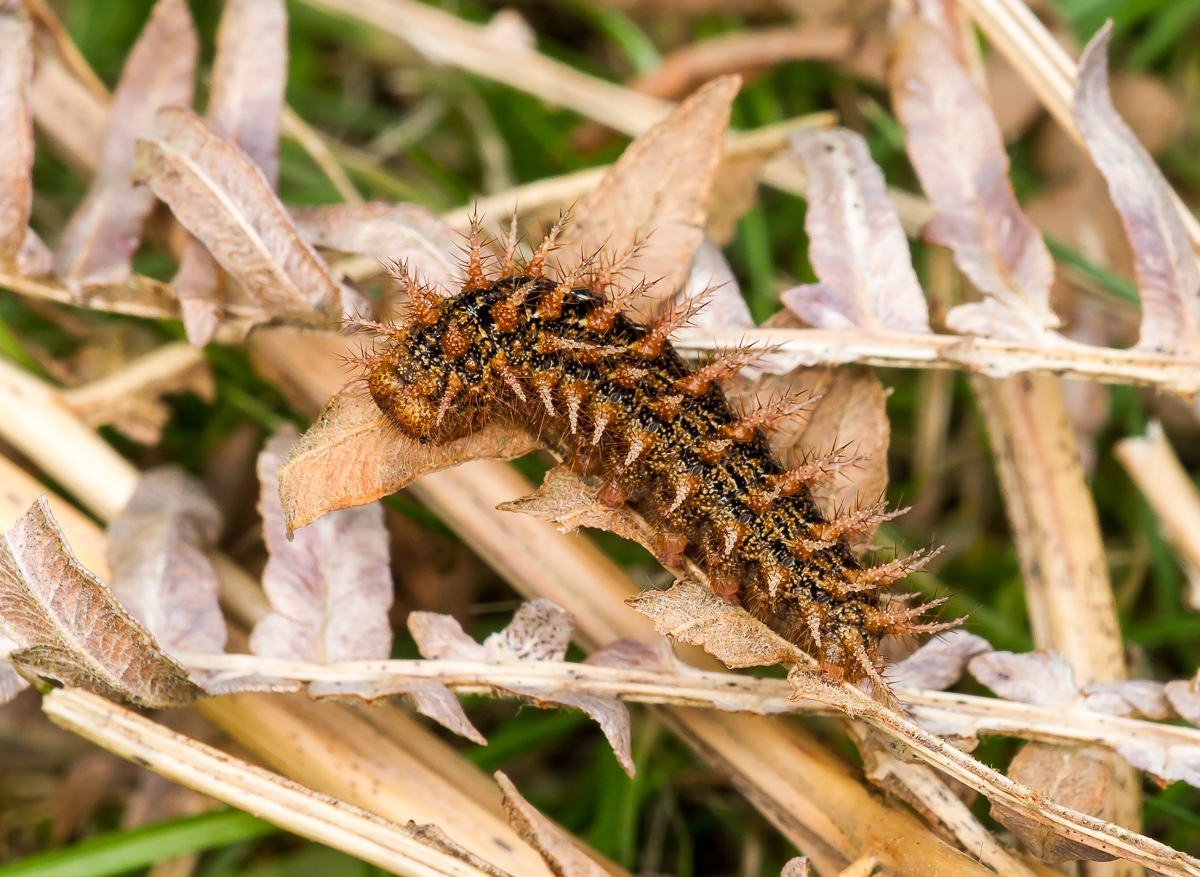
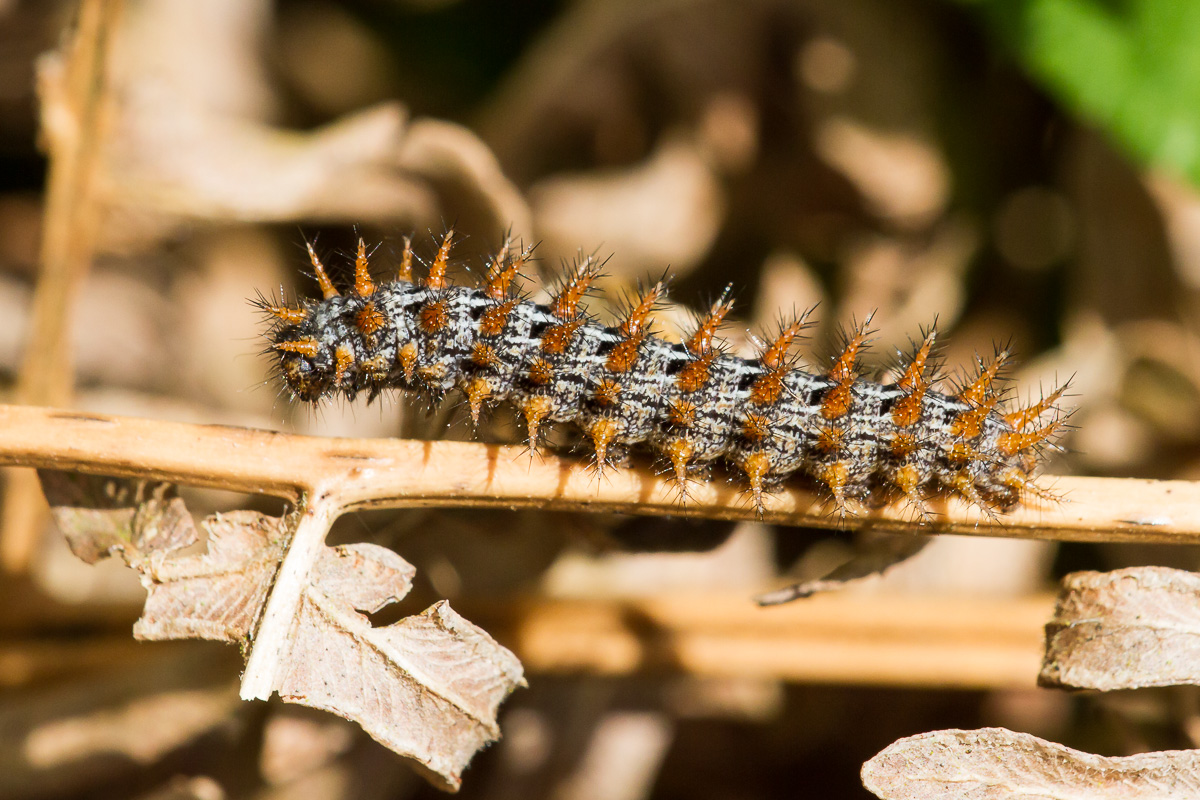
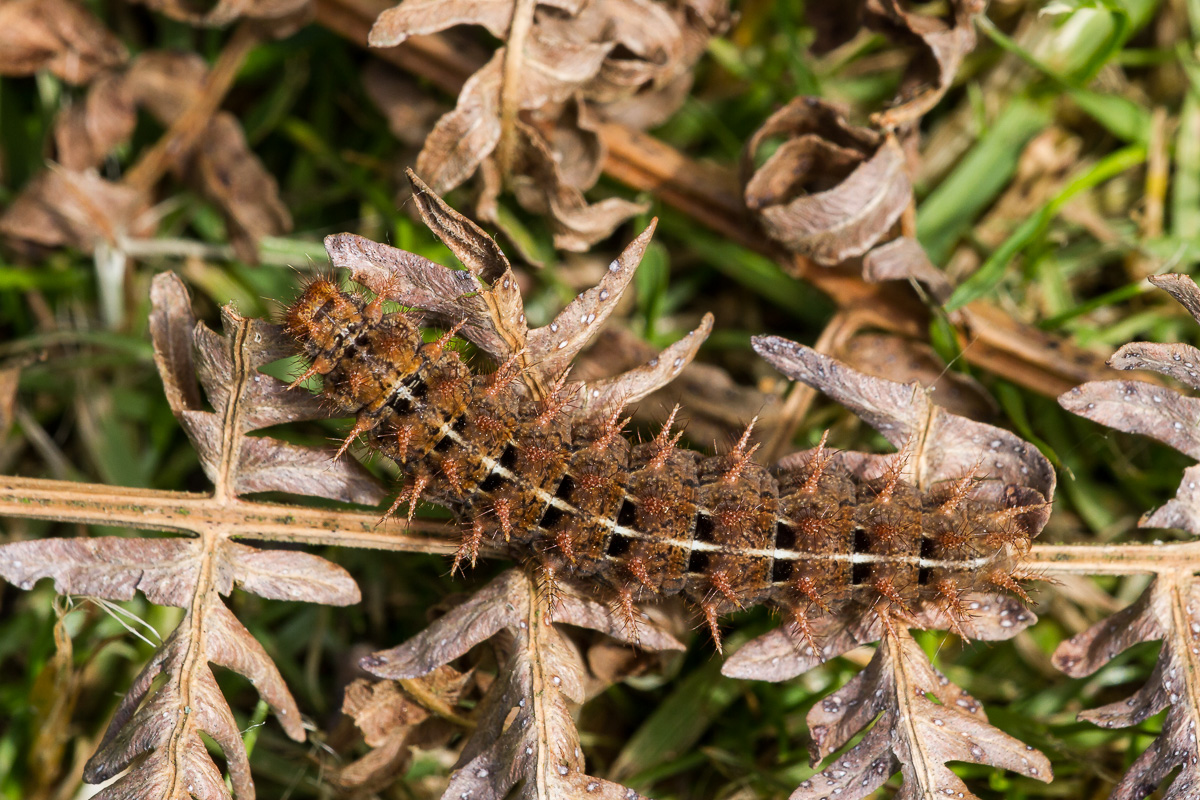
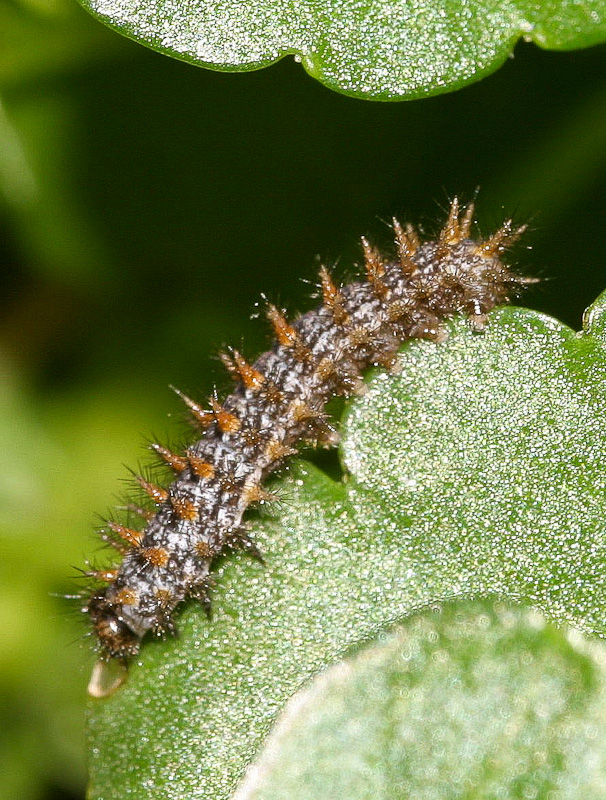
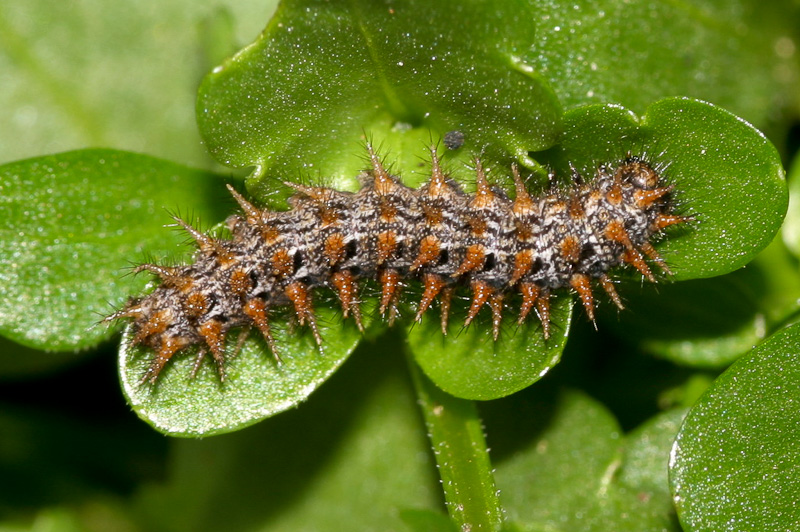
"Directly after emergence the larva measures 2.12 mm. long and much resembles that of A. aglaia. When eight days old it measures 3 mm. in length. On each segment are numerous shining black warts, those on the dorsal surface are double, and each emits a long, serrated black hair, curving forwards, the anterior pair being the shortest. The sub-dorsal warts bear similar hairs, curving forwards; from the large lateral wart rise four finely pointed, simple black bristles, with whitish points; there are several other smaller bristles on the ventral surface. The head is black and covered with fine bristles, each having a bulbous base. The ground colour is ochreous, with ochreous-brown mottlings, forming irregular longitudinal bands. The young larva rest principally on the stems near the base of the plant; they feed on the edges of the young leaves and also nibble the stalks and stems; they grow slowly and are generally rather sluggish, although at times they crawl rapidly; when touched they roll in a ring and remain in that attitude for two or three minutes; the resting position is always straight." - Frohawk (1924)

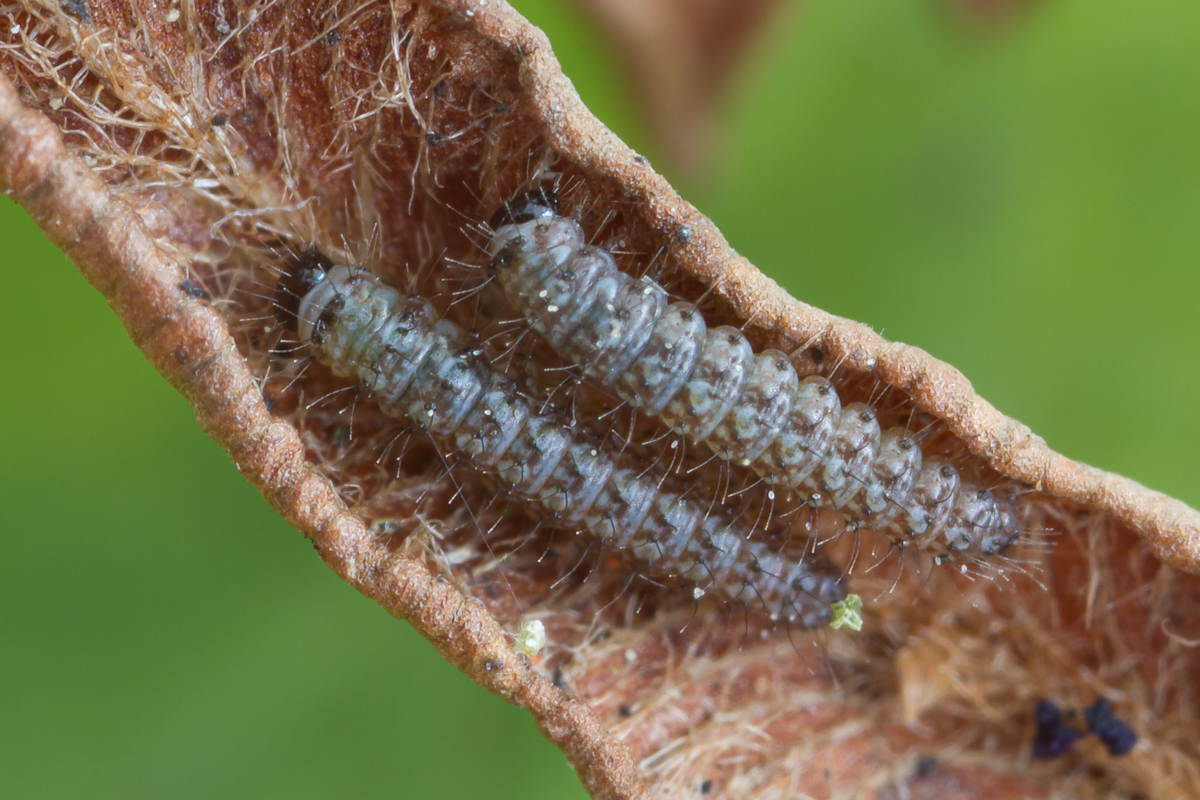
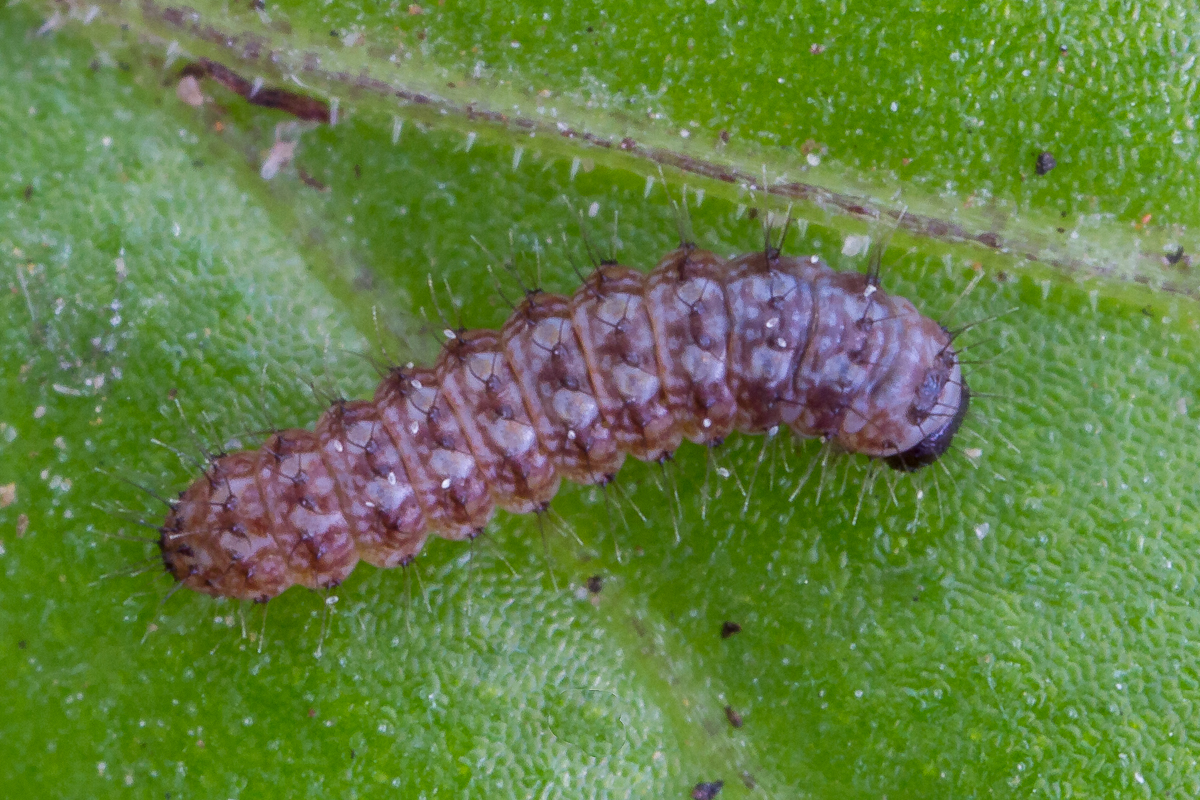
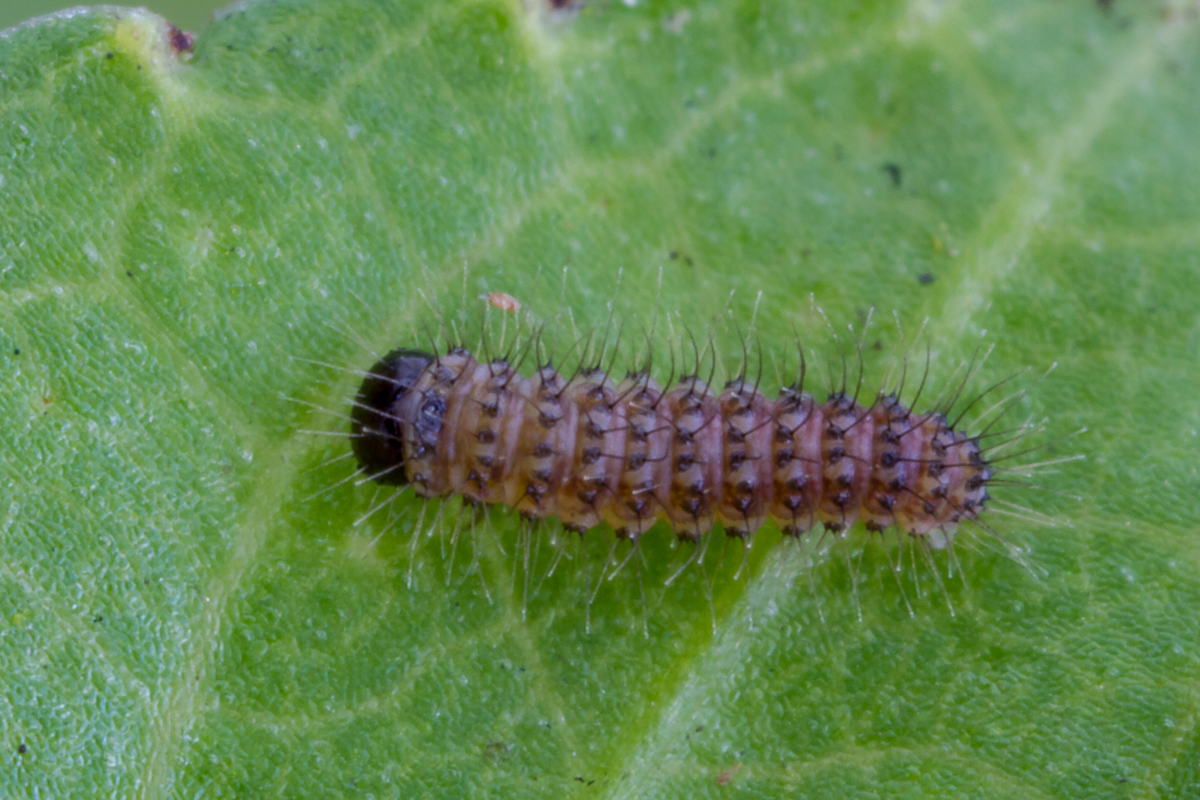

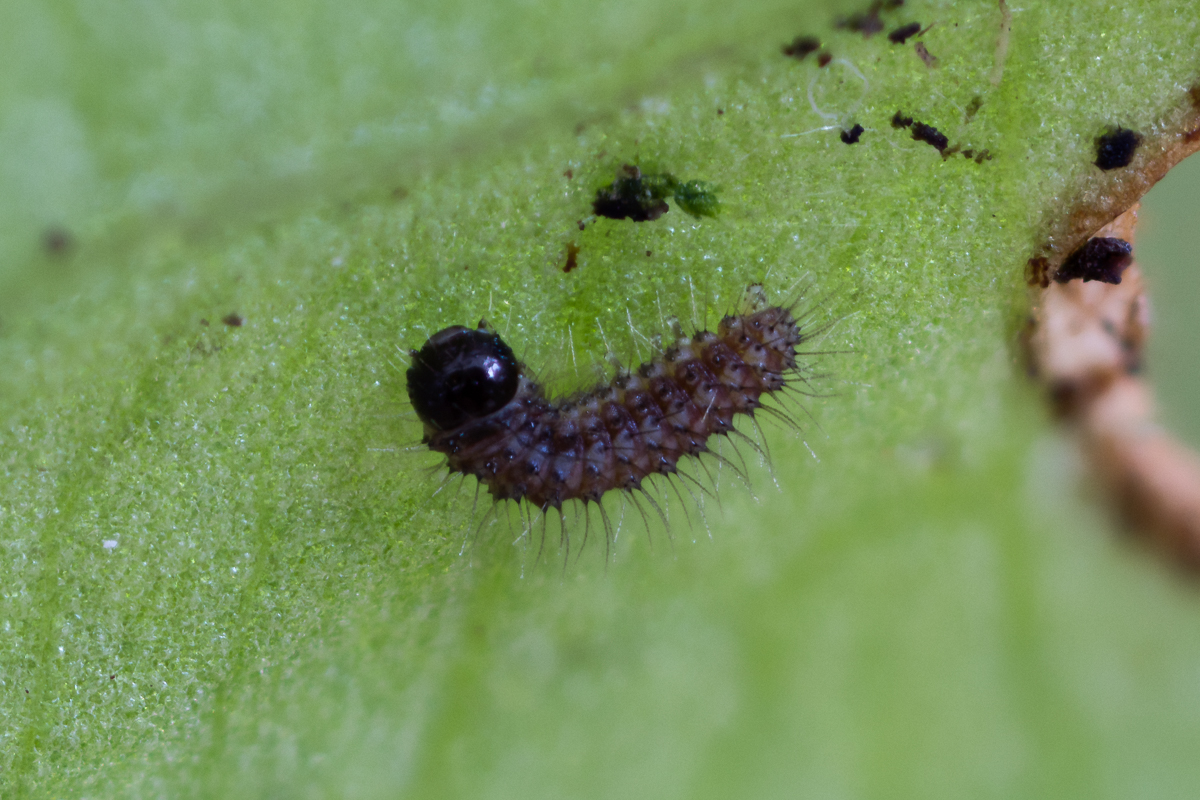
"The first moult April 20th, 1893. A week after the first moult it is 4.8 mm. long. The ground colour is creamy-white, checkered with dark-brown in the form of a Y on the dorsal area of each segment, and irregular longitudinal streaks on the sides, the whole giving a checkered appearance. There are six longitudinal series of spines covered with fine, sharply pointed bristles; the dorsal and sub-spiracular spines have the bases and surrounding colour white, the rest are black. The head is black and bristled. The ventral surface, including the claspers, is ochreous-brown." - Frohawk (1924)

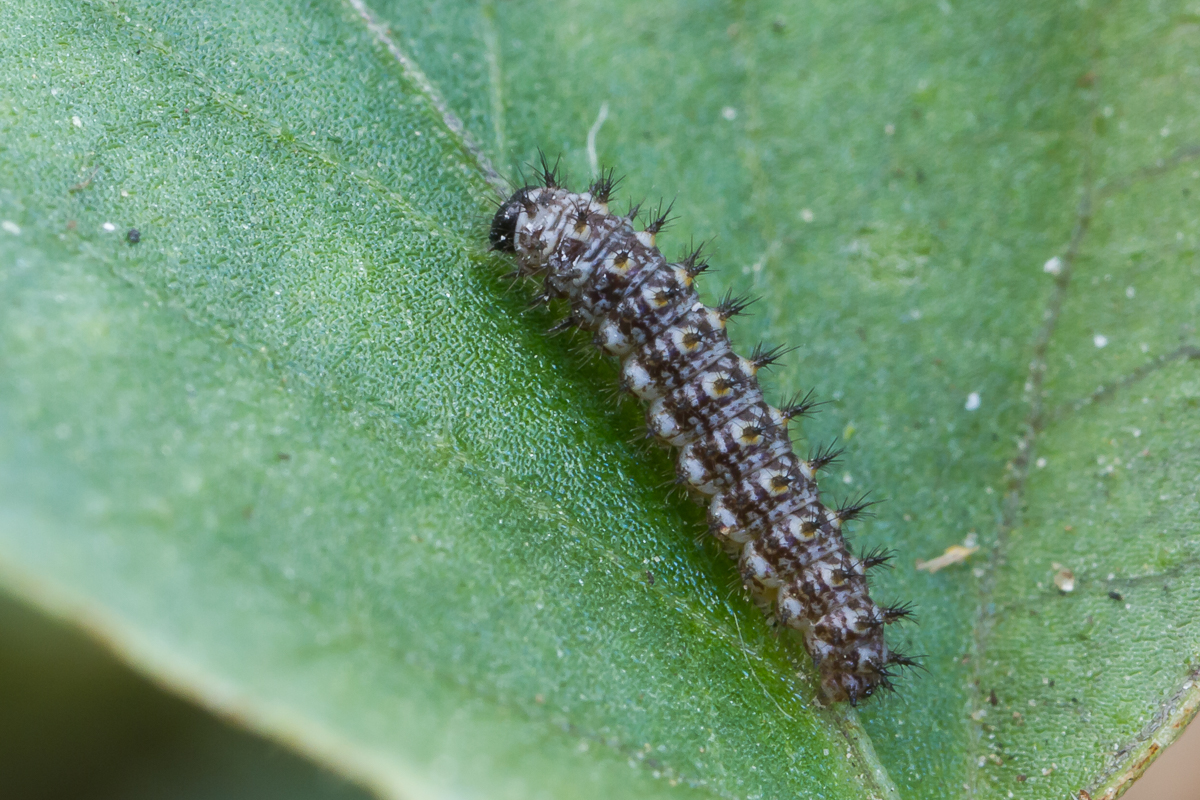
"The second moult April 28th, 1893. After the second moult (advanced) it measures 7.6 mm. long; the ground colour is black, reticulated and streaked with white, chiefly forming lateral lines, and dorsal spines have the basal half ochre-yellow, the apical half black; the sub-dorsal spines are black with a white mark cutting through the base, and the sub-spiracular series have each a cream-white base and are situated on a white longitudinal band. The dorsal surface is similar in pattern to the previous stage. The head and legs are black and hairy; the claspers and ventral surface are pale olive. In habits A. adippe is precisely similar to A. aglaia." - Frohawk (1924)
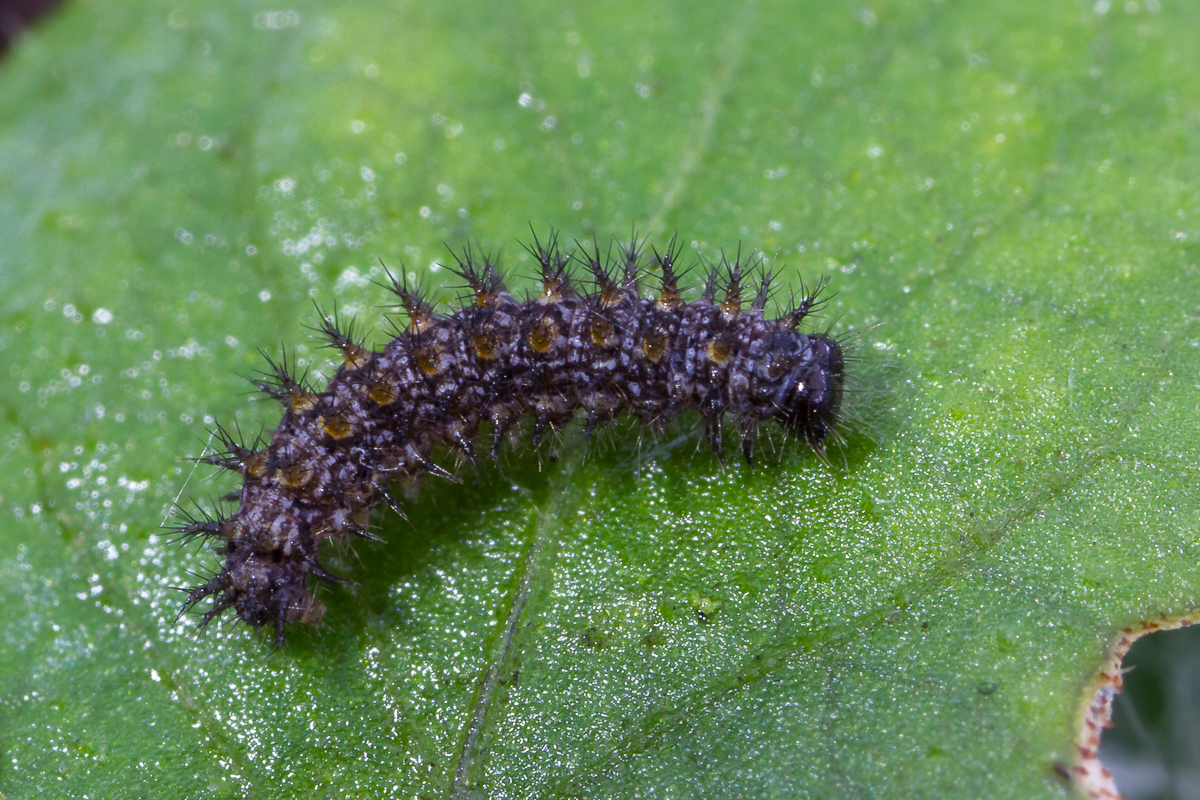


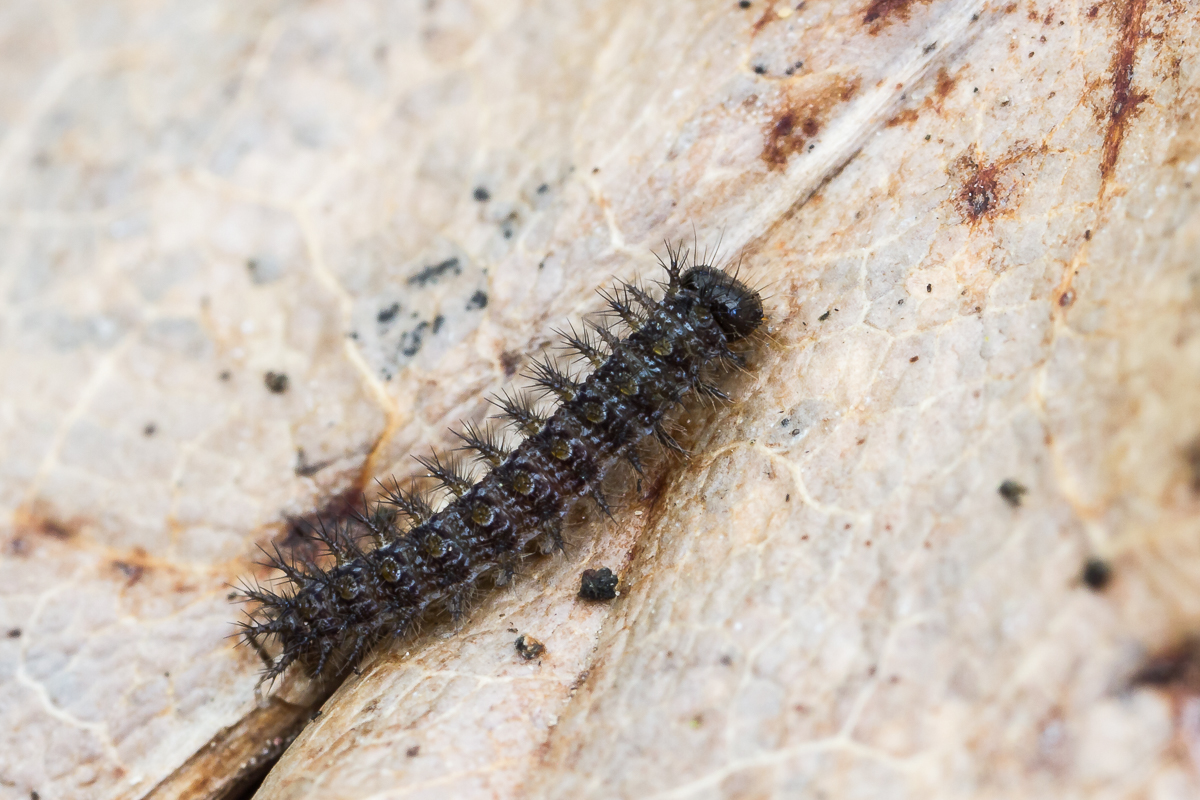
"The third moult took place on May 4th, 1893. After the third moult (advanced) it measures 10.2 mm. long. The general colouring is much the same as the last stage. The ground colour is black, with numerous dots and streaks of white, producing a finely checkered pattern. All the spines are ochre-yellow, the lateral series being the palest; all are covered with fine black bristles. The head is strongly lobed on the crown, with a deep central furrow; it is black, blotched with ochreous, chiefly so on the crown; the legs are black, and the ventral surface dull olive." - Frohawk (1924)

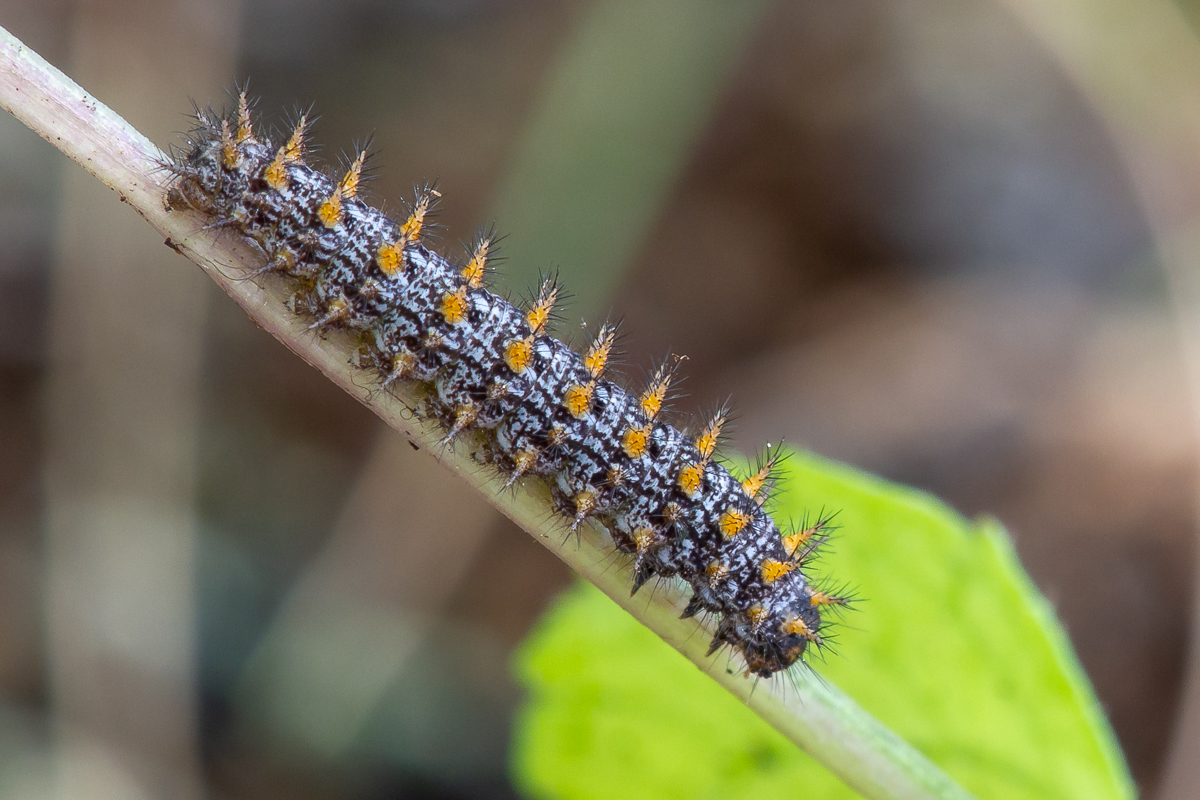

"The fourth moult occurred on May 12th, 1893. Two days after fourth moult it is 15.9 mm. in length. The pattern and colouration are almost precisely similar to the previous stage, but the general colouring is much richer, especially the spines, which are bright tawny, and the white lateral markings are tinged with buff. The spines are long, stout at the base, and each terminates in a sharp bristle, and are, besides, amply covered with bristles. The dorsal markings are very conspicuous; the ventral surface is greyish and densely speckled with buff; the head is bright ochreous with dark brown clypeus, the legs are brown and the claspers ochreous." - Frohawk (1924)
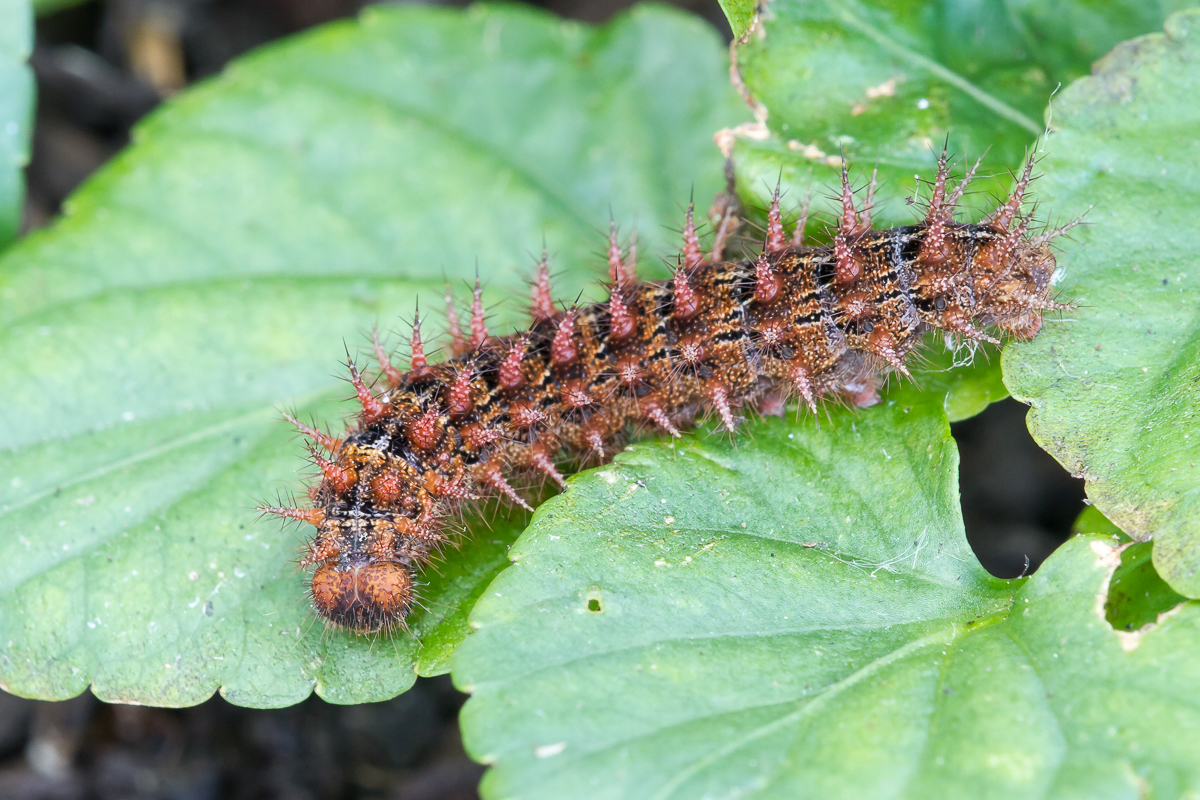
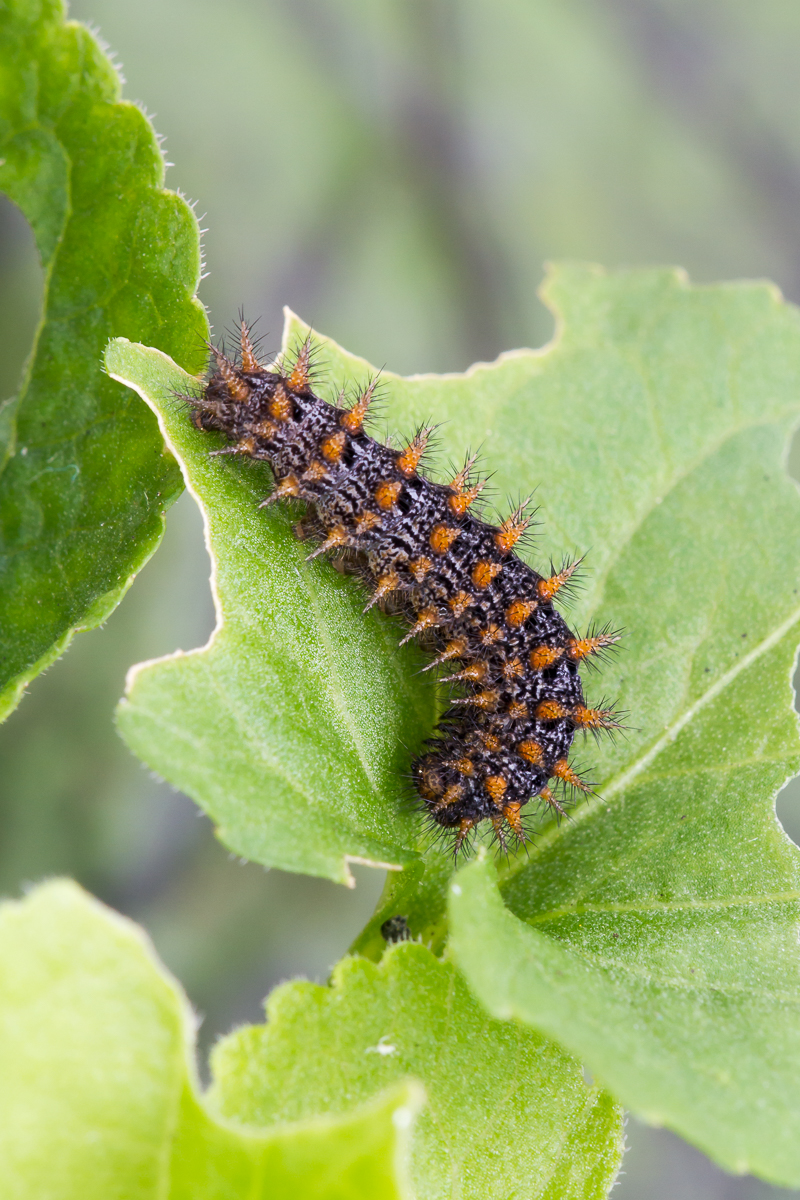
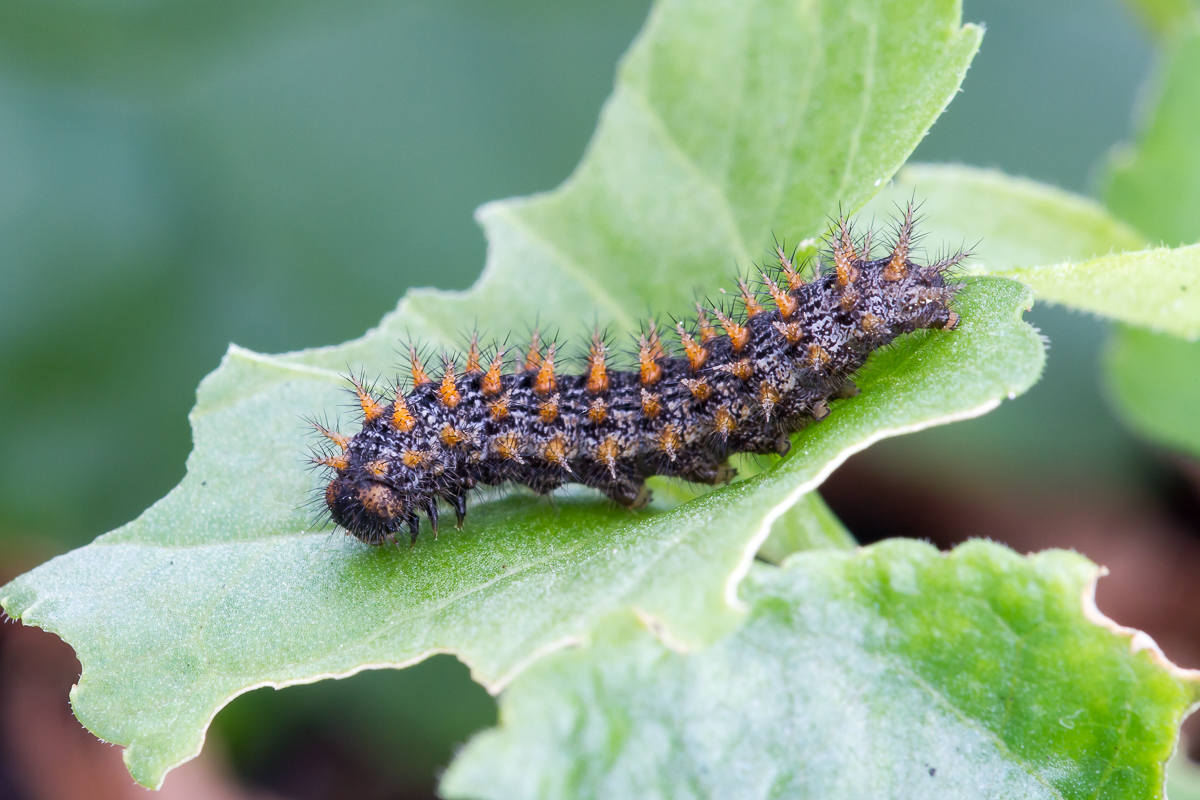
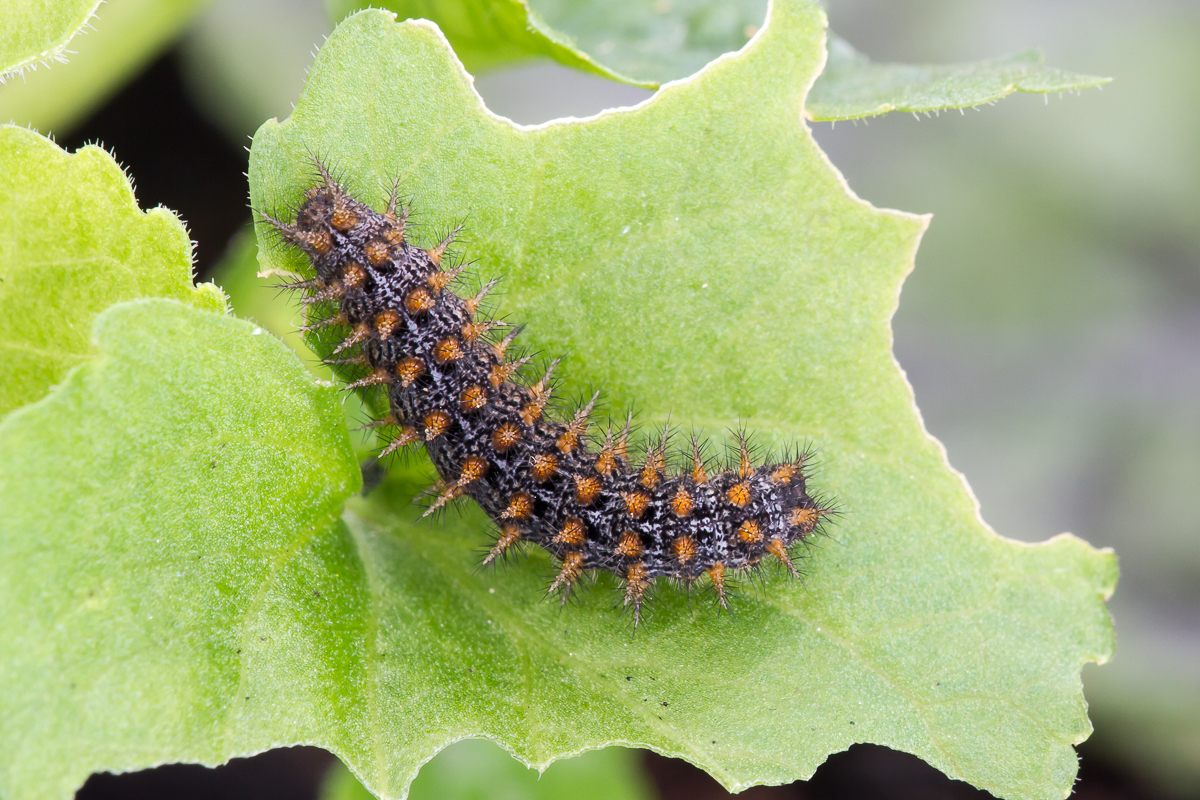
"The fifth and last moult on May 21st, 1893. When fully grown it measures 38 mm. long. It is almost of uniform thickness throughout, being only slightly tapering at the ends; the head is a trifle narrower than the first segment. There are two forms of colouring in the larva, both equally common. The lighter form has the ground colour a light ochreous-brown, variegated with black markings outlined with white and cream-white; those on the dorsal surface are very bold and conspicuous, of a velvety-black, forming a double longitudinal medio-dorsal series, each pair occupying the anterior third of each segment and separated by a central longitudinal white line, broadest where it passes through the black. The segmental divisions are lilac-grey; the sides are thickly freckled with creamy specks; the spines are similar to those of A. aglaia in number and distribution, but are longer; all the spines, spinelets and bristles of the entire body and head, as well as the legs and claspers, are light-red. The head is bright tawny with a central dark purplish-brown blotch and black eye spots; the legs and claspers are also tawny; the spiracles are finely outlined with whitish. The dark form has the entire colouring of a much deeper tone, with brown-pink spines; the larvae are active, but less so than A. aglaia, and feed rapidly, especially during sunshine. The first larva spun up June 5th, 1893, and pupated the following day, the larval state occupying about nine weeks." - Frohawk (1924)
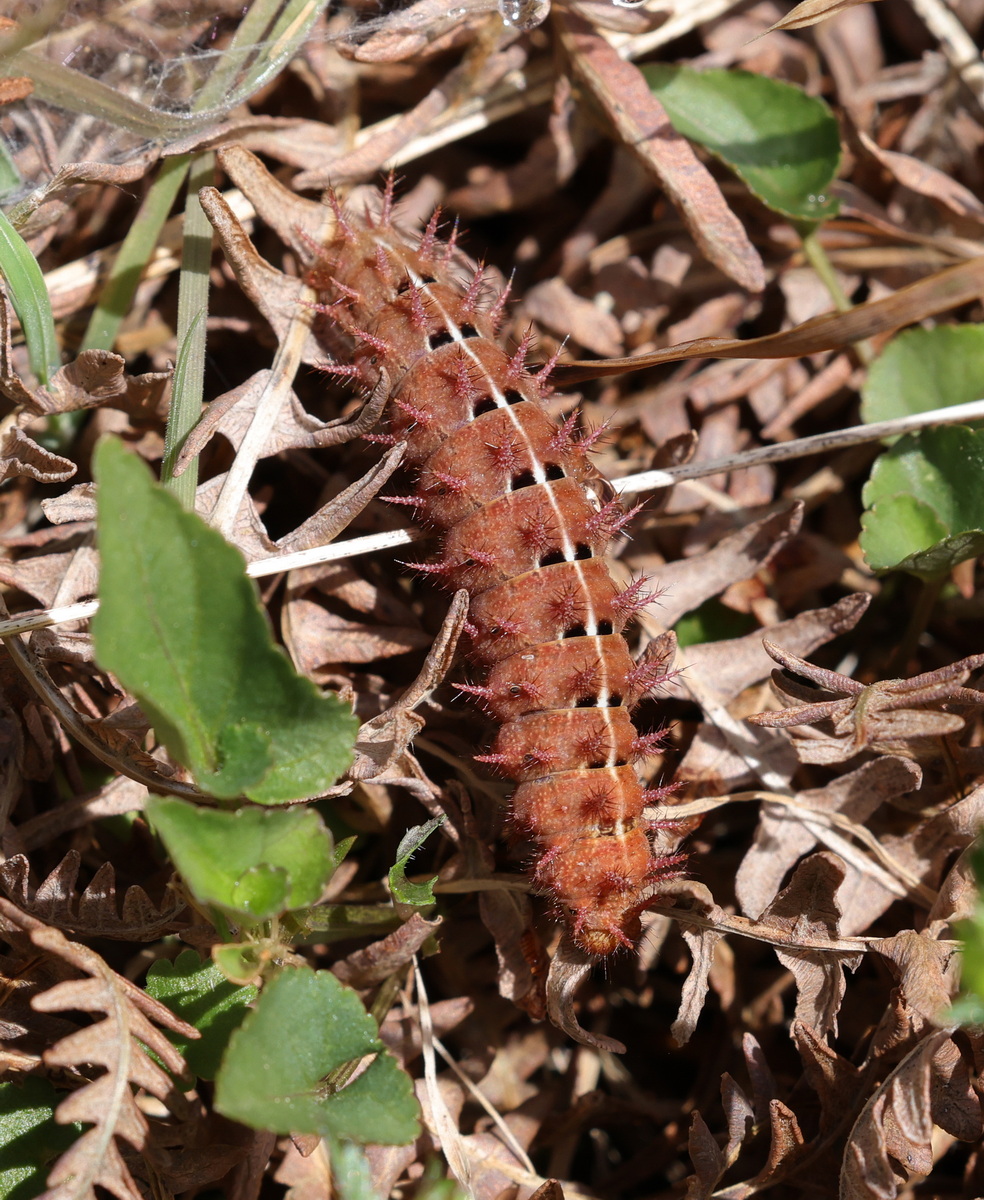
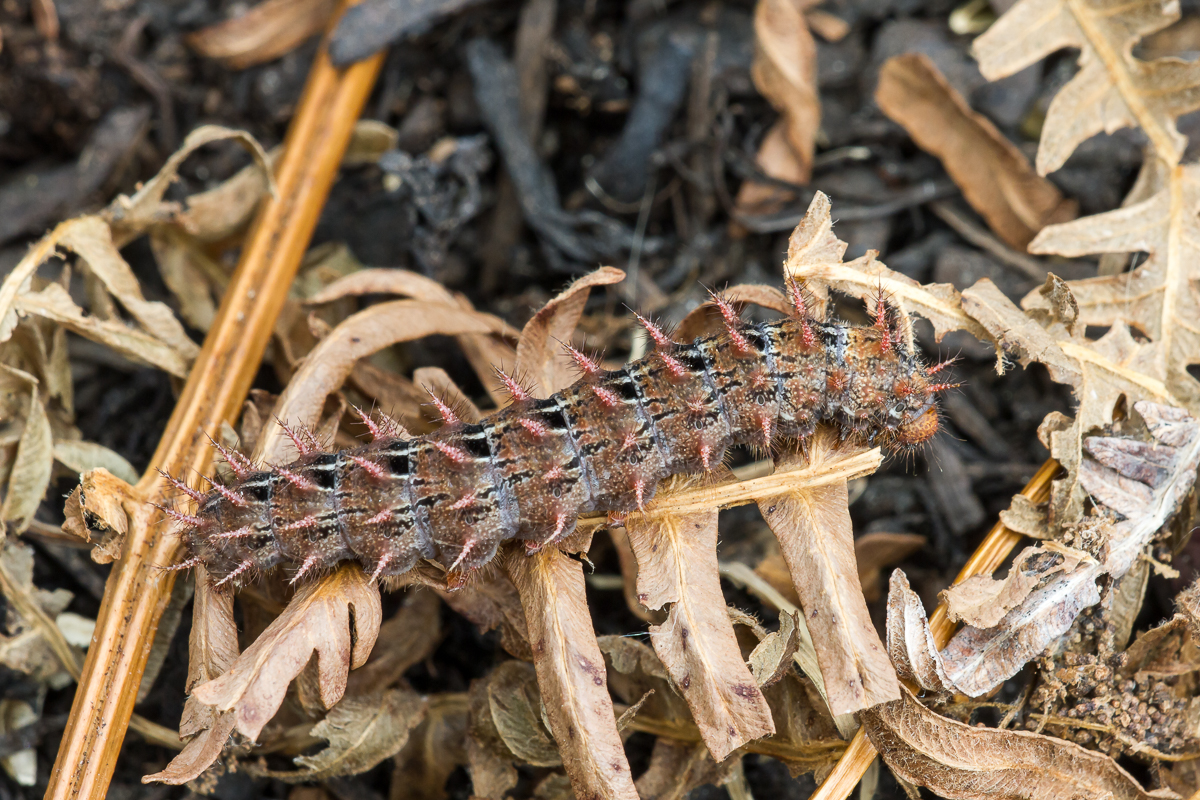
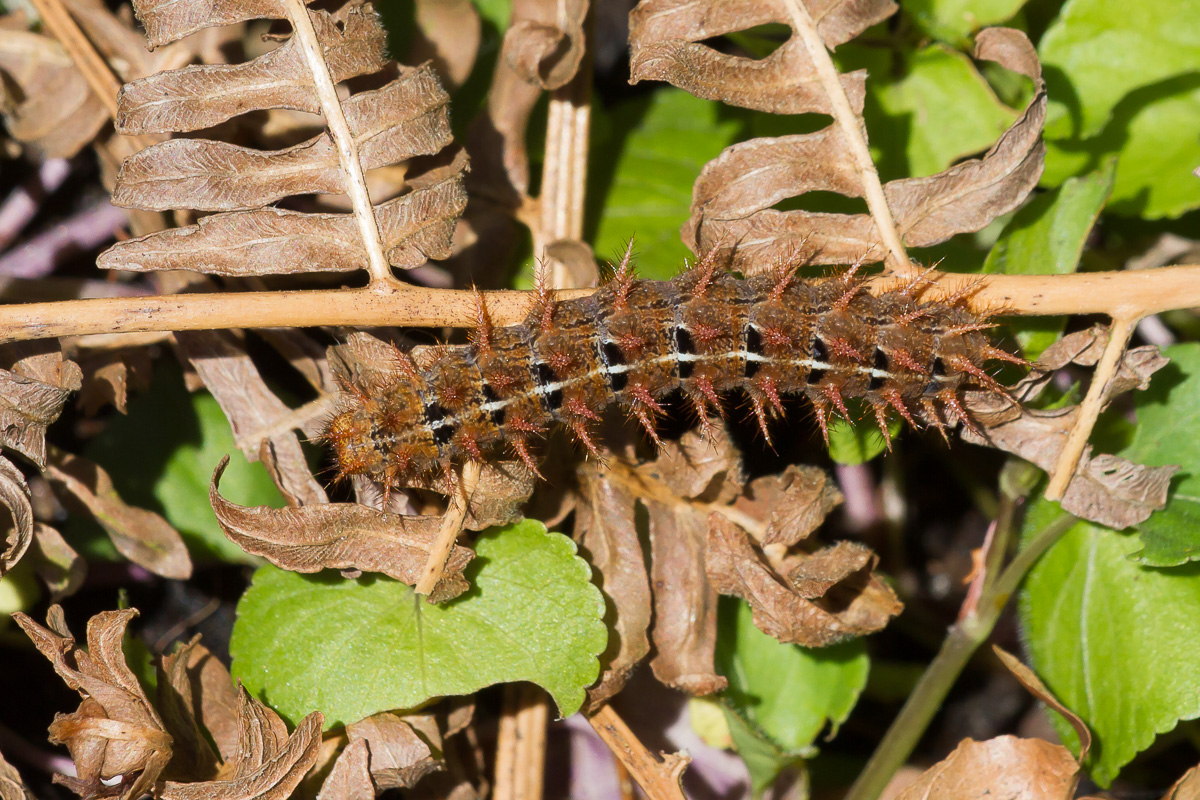
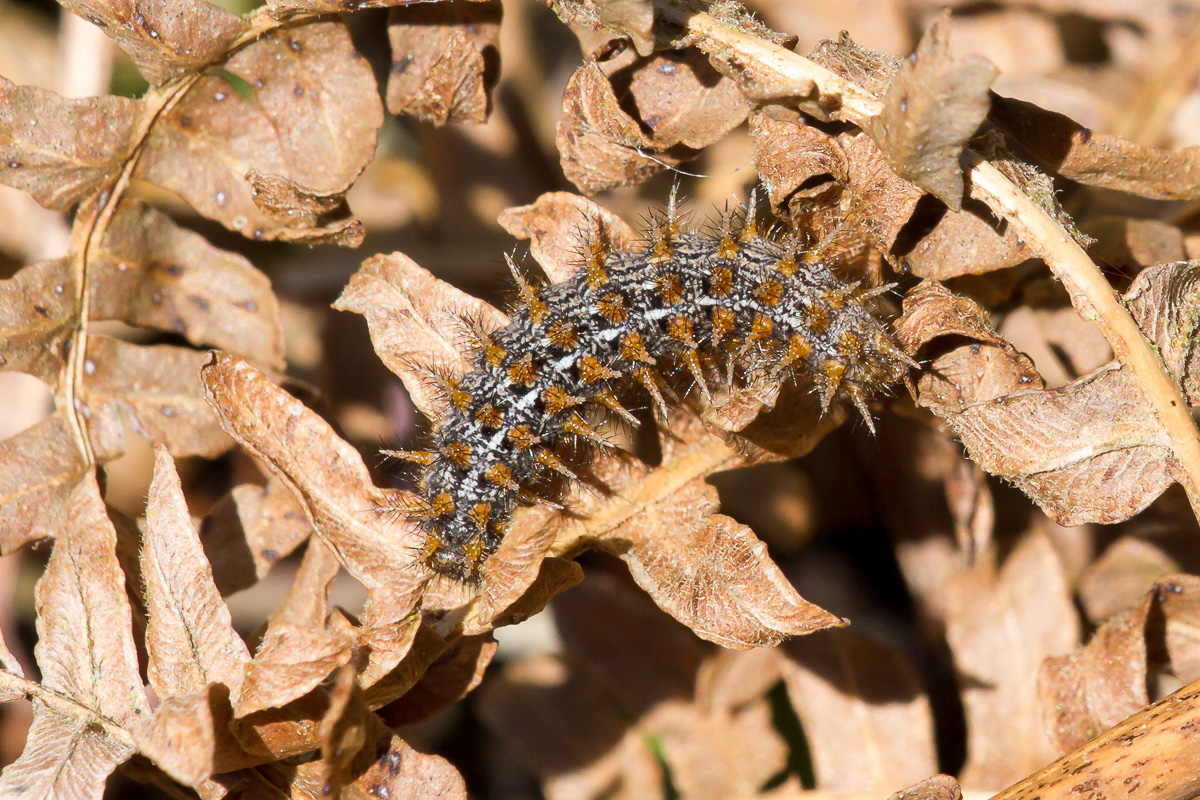

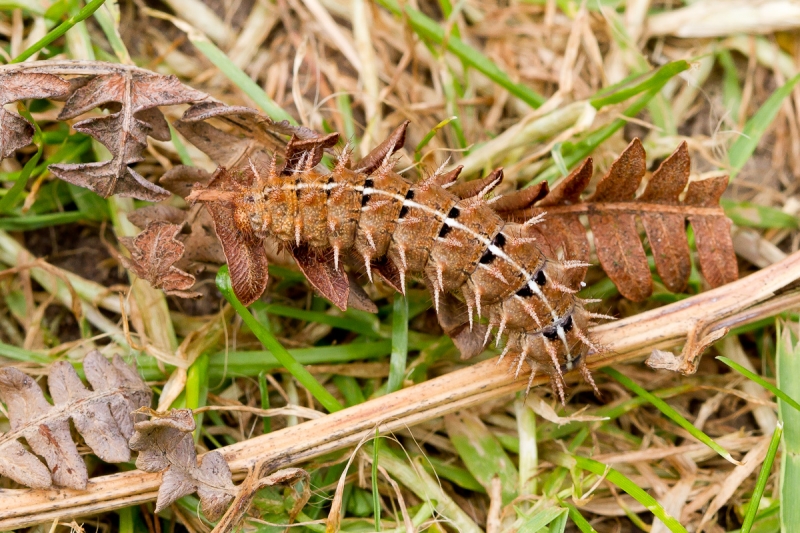
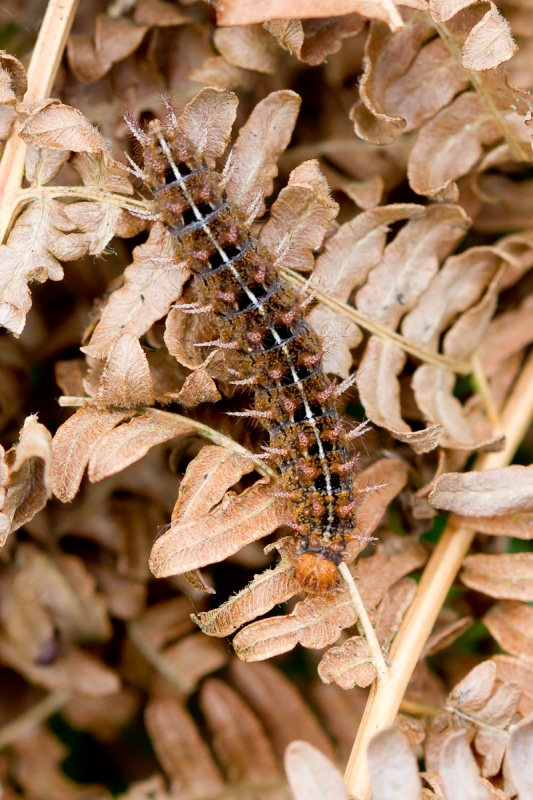
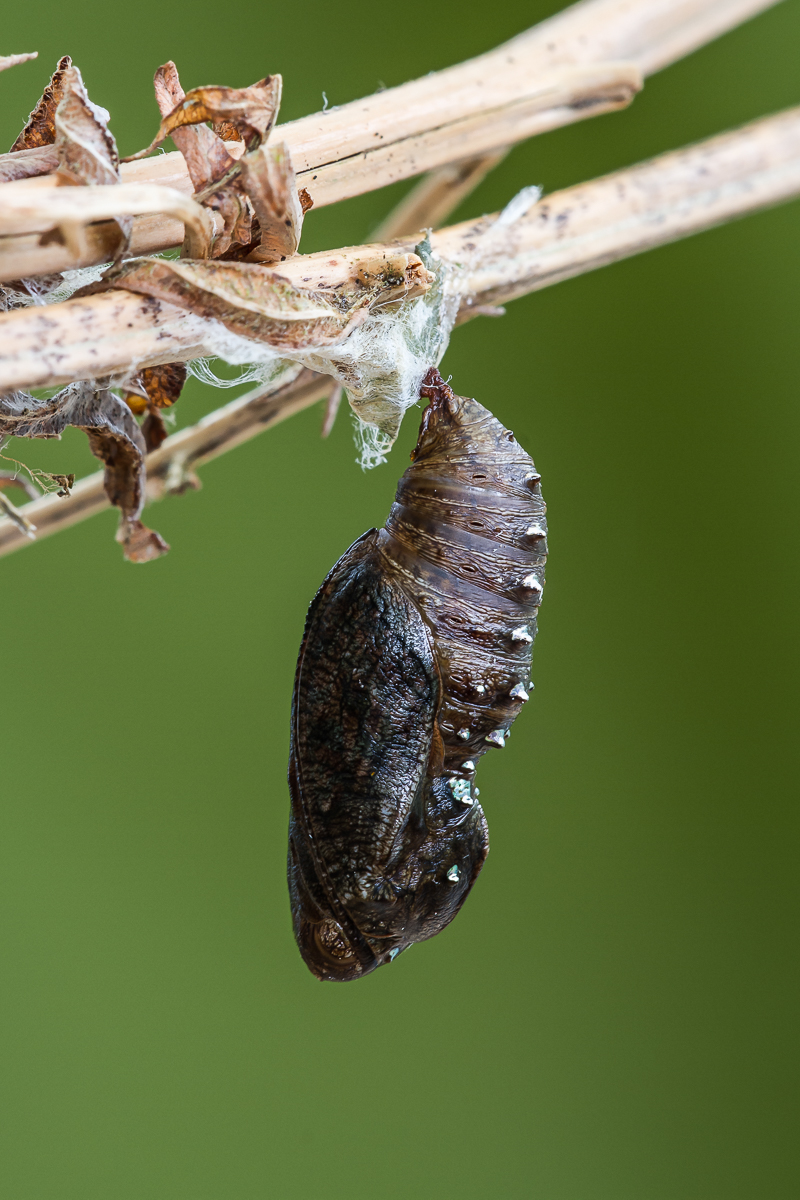
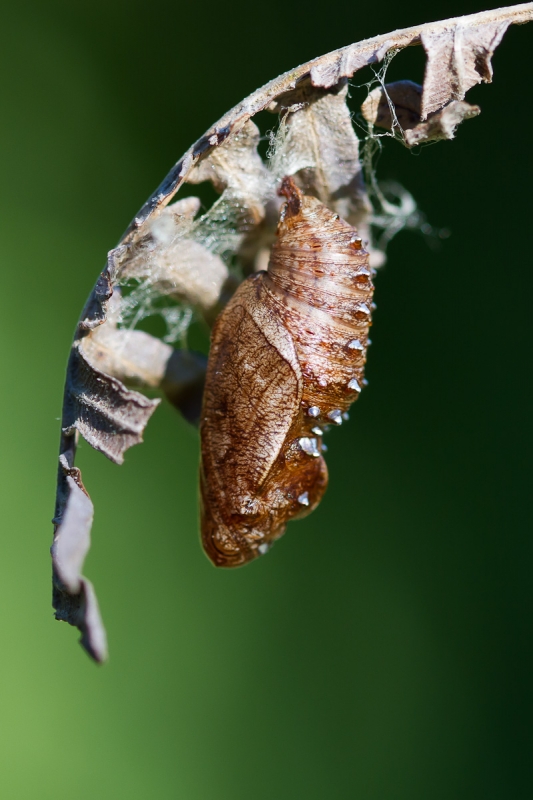
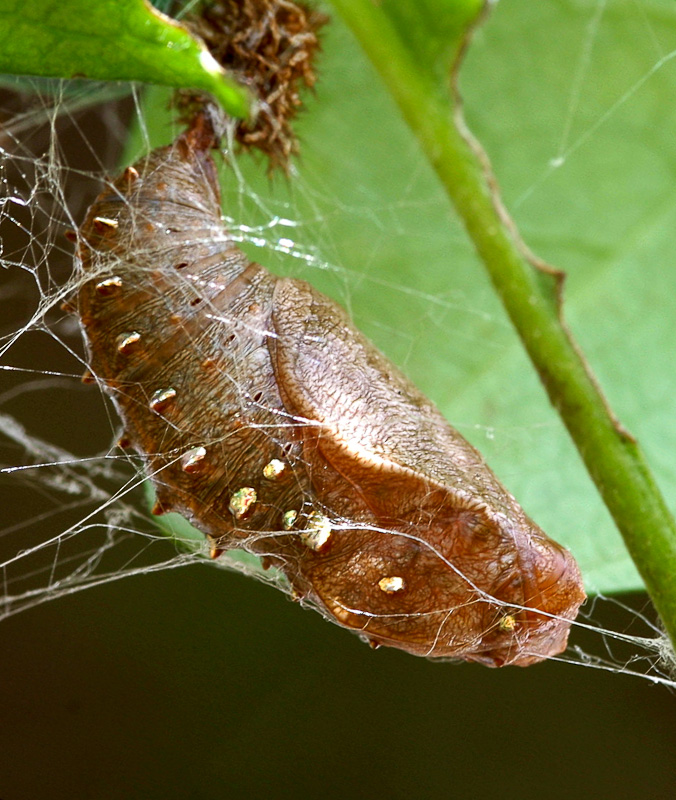
The larva forms a loose tent-like structure by spinning a few leaves together, in which it pupates. The dark brown pupa is formed head down within this structure, attached by the cremaster, resembling a shrivelled leaf. This stage lasts around 3 weeks.
"The pupa measures about 20 mm. long and 7.6 mm. in diameter at the middle (lateral view) and the same across the thorax (dorsal view). Lateral view: The head is rounded, the thorax swollen and keeled; the first two abdominal segments are sunken, forming a deep concavity, and swollen at the fourth abdominal segment, from whence the body takes a gently curve to the anal segment, which terminates in a stalk-like cremastral process, flattened at the extremity and densely furnished with hooks; the wings are swollen at the apex. Dorsal view: The head is almost square in front, slightly rounded at the sides; the wings are angular and bulging at the base of the inner margin, then sunken and again swollen at the hind angle; the abdomen is attenuated and angular at the seventh segment, then terminating in a point. The normal form of colouring is pale ochreous-brown, densely and minutely reticulated all over with dark brown. There are two longitudinal rows of brilliant, metallic, silver-gilt conical points commencing on the pro-thorax, and continued along the abdomen, representing the sub-dorsal spines of the larva, also a much smaller series of points above the spiracles. A dark form of the pupa has the ground colour rather darker, but the reticulations are so dense and dark that the entire colouring is so much deepened as to give the pupa a very dark brown, glazed appearance. In certain lights the metallic points have brilliant green and gold reflections. The pupa is suspended by the cremastral hooks to a pad of silk spun to the under surface of a leaf or stem of the plant, and drawing together the surrounding leaves with a loose network of silken threads, forming a tent-like structure." - Frohawk (1924)


The following links provide additional information on this butterfly.